


Operating architecture
The four-layer tower.
Each tower functions as a single integrated operating system - four mutually reinforcing revenue layers, one risk architecture.
Four storeys of demand. One asset.
Read the stack from the ground up. Productive density at the base makes every upper layer more valuable - and no single use determines viability.
-
01 Lower floors
Workspace and commercial
Lower floors anchoring daily economic activity for technology, AI, and professional-services tenants - the density of productive human activity that makes every other layer more valuable.
-
02 Middle floors
Residential
Middle floors delivering stabilized long-duration cash flow from permanent occupants: founders, engineers, operators, and returning talent who require quality residential product - retention that makes the building a community, not a collection of tenants.
-
03 Upper-middle
Extended-stay
Upper-middle floors serving rotating international advisors, contractors, NGOs, and institutional teams - a demand category unique to reconstruction, at higher nightly yields than traditional residential, driven by structural economic necessity rather than discretionary travel.
-
04 Uppermost
Hotel
Uppermost floors providing premium accommodation for international business travelers, reconstruction decision-makers, government counterparties, and institutional capital representatives - highest nightly yield, absorbing surges tied to reconstruction milestones, conferences, and EU accession events.


The architecture is the risk system.
-
This stack creates natural downside protection and self-reinforcing demand dynamics unmatched by single-use assets.
-
No single revenue line determines the viability of the platform.
-
The failure of any one use does not compromise the asset - revenue architecture is the primary risk-management mechanism.

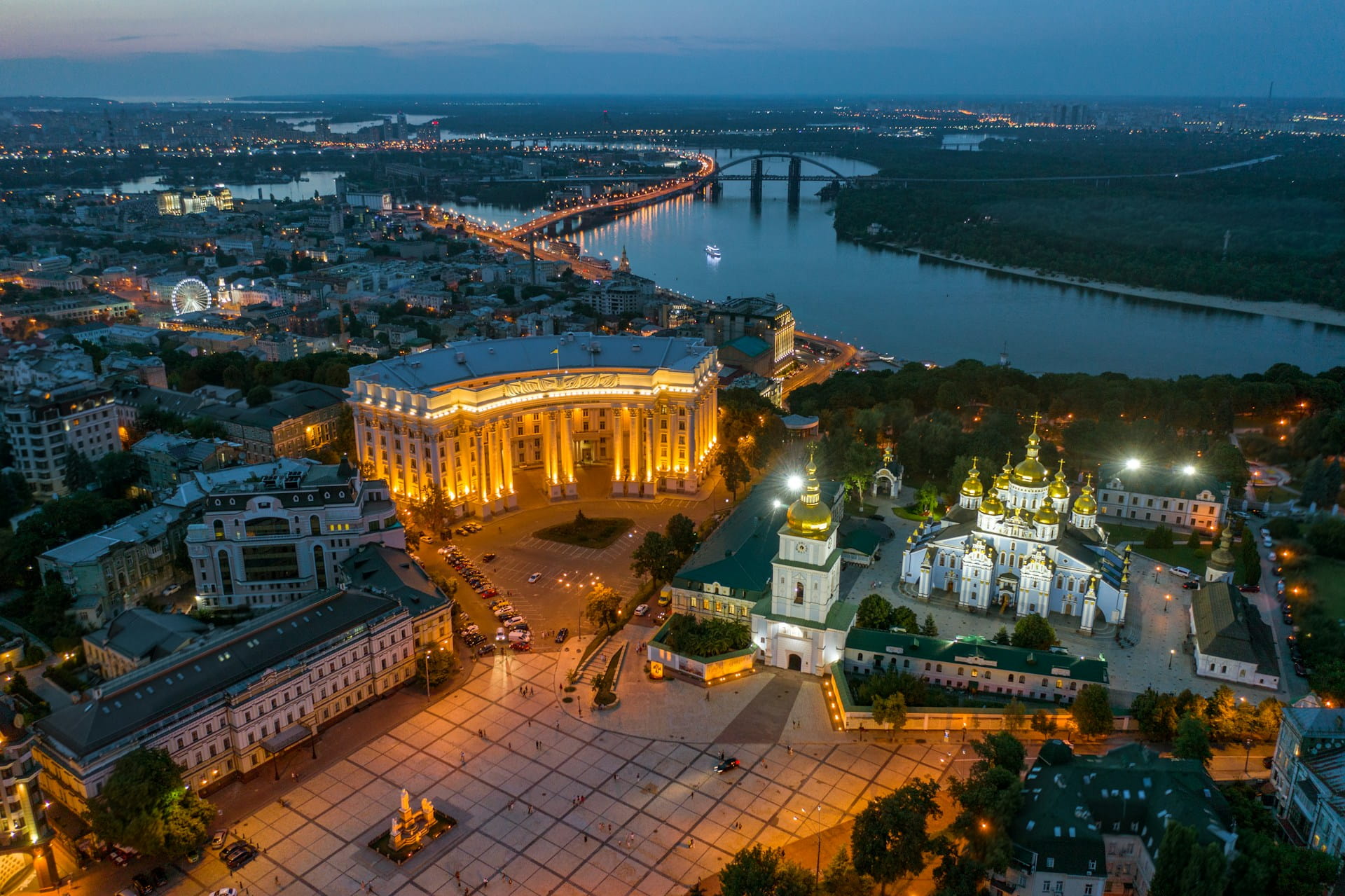
Every city that has undergone a major economic transformation has produced a small number of addresses that captured a disproportionate share of the value that transformation created.
Foundation Ukraine is identifying those addresses in Kyiv now - acquiring them at the basis this moment produces, and developing renovation, zoning, extension, and programming strategies that transform them into the most luxurious mixed-use destinations in the country.
Timing of value
Reconstruction alone does not create the greatest value.
Reconstruction capital deploys first. The deepest and most durable value creation occurs in the subsequent phase - when private enterprise scales, talent clusters, and institutional participants require professional operating environments. Foundation Ukraine owns and operates that scarce essential product at current dislocated bases.
- Companies deploying reconstruction capital need offices.
- Engineers and operators rebuilding the country need places to live.
- International advisors, contractors, and institutions need professional accommodation.
- Executives and investors need hotel-standard hospitality inside secure, professionally managed environments.
None of that product exists at institutional scale today. Foundation Ukraine is building and acquiring it now.
How post-conflict markets move.
Three phases. Foundation Ukraine operates deliberately in the second - where asymmetry is greatest.
-
01
Paralysis
Capital retreats. Assets are discounted. Most institutional capital exits.
-
02
We are here
Selective return
Local actors move first. Selective capital returns. Transactions reappear at the edges. Basis reflects uncertainty rather than inevitability - this is where Foundation Ukraine operates.
-
03
Full institutional arrival
When this phase begins, the pricing gap closes quickly and the positions that define the next cycle are already established.
The pipeline is active. The window is open. It will not remain open indefinitely.