The Pechersk Corridor sits on Kyiv’s right bank as a tight band of avenues and side streets that place ministries, embassies, and high-grade offices within walking distance of one another. Investors and corporate tenants track this strip because government proximity continues to support some of the city’s most resilient prime rents even after years of disruption. This deep dive explains the layout, the rent mechanics, and the practical signals that matter for anyone weighing space here.
Where the Pechersk Corridor Actually Runs
Start at the upper plateau around the government quarter and follow the main arteries that drop toward the Dnipro. The corridor is not a single boulevard but a network of blocks where administrative buildings, modern office towers, and residential stock sit close enough that lunch meetings and security escorts remain feasible. Local agents treat the zone as a premium pocket rather than a broad neighborhood, which keeps inventory limited and pricing transparent to those who watch lease comps closely.
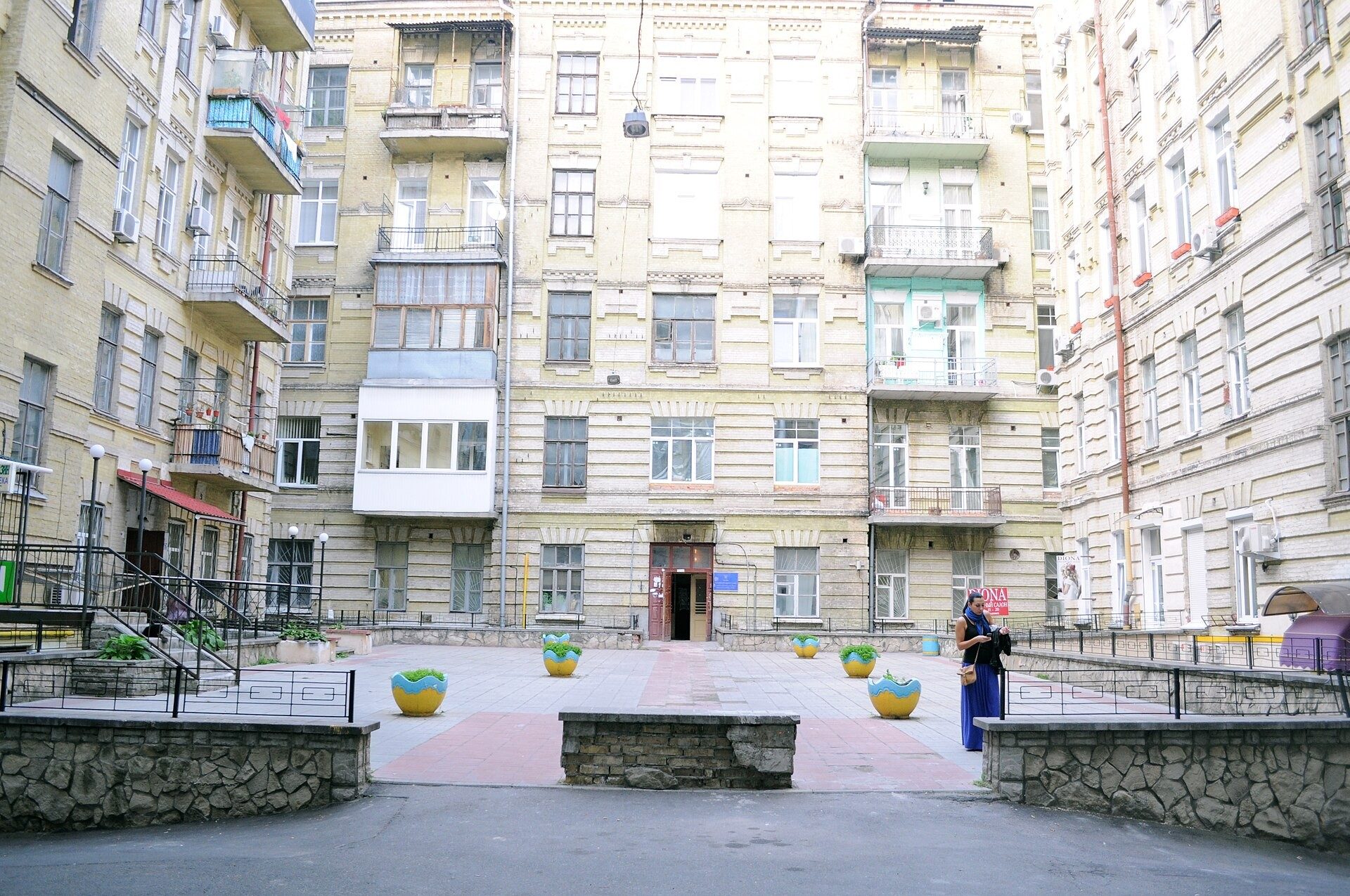
Street frontages carry a mix of reconstructed Soviet-era facades and newer glass envelopes. Side streets hold smaller embassies and private clinics that value quiet yet still need rapid access to the central ministries. For a wider city view that places this pocket in context, the Kyiv Real Estate Market Outlook for 2026 supplies the macro frame without diluting the corridor’s unique density.
Government Adjacency as a Rent Multiplier
Ministries and parliamentary offices create a daily flow of officials, advisors, and contractors who prefer short travel times. That demand supports higher asking rents because tenants calculate the cost of delayed meetings or security logistics into their budgets. Buildings that face or back onto government compounds often clear 15 to 30 percent above comparable grade-A stock farther from the administrative core.
Security perimeters reinforce the premium. Controlled access roads reduce casual foot traffic and give corporate security teams predictable entry points. Landlords price this isolation into service charges and base rents, arguing that fewer interruptions and clearer emergency routes justify the markup. International organizations and law firms routinely accept the premium because proximity cuts response times when regulations shift overnight.
Currency stability also enters the calculation. Tenants who settle rents in hard currency watch policy signals from the National Bank of Ukraine for clues about exchange-rate risk; those signals feed directly into how aggressive landlords can be on escalations near state offices.
Prime Rent Layers from Core Blocks Outward
Core blocks nearest the main government cluster still command the highest face rents, often quoted on a triple-net basis with indexation tied to inflation or hard-currency baskets. Secondary streets one or two turns away show a noticeable step-down yet remain well above city averages. Landlords in the outer ring of the corridor compete by offering longer free-rent periods or fit-out contributions rather than cutting the headline rate.
New supply is scarce because zoning and heritage constraints limit tower heights and plot coverage. When a rare shell becomes available, pre-leasing often reaches 60 percent before shell-and-core completion. That absorption speed keeps vacancy low and supports firm pricing even when broader right-bank markets soften. Readers who want a parallel view of demand patterns farther north can consult the Right Bank Corridor Deep Dive: Demand Drivers for 2026.
Who Occupies the Space and Why They Stay
Diplomatic missions, energy firms, and professional-service partnerships dominate the tenant roster. Many of these groups maintain small but high-spec footprints rather than large open floors, which favors buildings that can deliver 300 to 800 square meter modules with independent security nodes. Flexible lease terms of three to five years are common because political calendars can force rapid footprint changes.
Domestic corporates that interact daily with ministries also cluster here. Their preference keeps secondary demand alive even when international tenants pause expansions. Recent return migration has added another layer of interest in nearby residential stock, a trend illustrated in the report Diaspora Return Wave Drives New Demand in Podil, which shows how population inflows can spill into adjacent premium office districts.
Infrastructure, Walk Scores, and Security Overlays
Metro stations and major thoroughfares feed the corridor, yet many occupants still rely on private cars and shuttle vans because parking control and convoy routes matter more than public transit frequency. Fiber networks and generator capacity are near-universal in the best buildings; power redundancy became non-negotiable after earlier outages and remains a lease-negotiation staple.
Sidewalks and courtyard gardens give the area a quieter daytime feel than commercial cores farther west. That atmosphere helps professional tenants justify higher rents to staff who value short outdoor breaks between meetings. Recovery funding channels listed on the Ukraine recovery portal continue to prioritize critical infrastructure upgrades that should further stabilize utilities across the government quarter.
Lease Clauses That Reflect Political Geography
Standard office leases in the Pechersk Corridor often contain explicit provisions for temporary relocation during elevated security periods, early-termination rights tied to diplomatic status changes, and insurance riders that cover political violence. Landlords who refuse these clauses lose deals quickly to competitors two streets away. Fit-out standards lean toward higher blast-resistance glass and redundant access control, costs that are amortized into the rent rather than billed separately.
Service-charge transparency is another pressure point. Tenants demand itemized security staffing, generator fuel, and 24-hour reception because those line items can exceed base rent in smaller buildings. The EBRD Ukraine program has financed several energy-efficiency retrofits in the wider capital, and buildings that can document lower operating costs use those numbers as a competitive edge during renewals.
Signals That Move Rents Over the Next Cycle
Watch three practical indicators. First, the pace of new embassy openings or expansions signals additional demand for small, high-security modules. Second, any large ministry relocation out of the core can free secondary stock and temporarily soften outer-ring rents. Third, reconstruction progress on adjacent residential blocks influences evening vitality and therefore nighttime security costs that feed into service charges.
Longer-term, the corridor’s scarcity premium is likely to hold as long as the administrative center remains fixed. Investors scanning the broader set of district studies can browse the full Market Trends archive for comparable corridors and historical rent series. Practical questions about documentation or transaction process appear in the site’s FAQ (frequently asked questions), while ongoing commentary sits on the Blog.
Anyone evaluating an actual lease or acquisition should treat the Pechersk Corridor as a specialized sub-market rather than a simple extension of the city average. Government proximity, constrained supply, and tenant willingness to pay for security and speed continue to set the rent floor. For platform-level tools and deal flow that support such evaluations, the Foundation platform remains the operational hub.
Readers comparing notes on Pechersk Corridor Deep Dive Government Proximity and in Ukraine should keep one dated source list and one named owner for updates so the next review of Pechersk Corridor Deep Dive Government Proximity and does not restart definitions. Article reference ukraine-147.
If two teams disagree about Pechersk Corridor Deep Dive Government Proximity and, write the disagreement in one paragraph with the evidence each side trusts before any money language expands around Pechersk Corridor Deep Dive Government Proximity and. Article reference ukraine-147.
Related Foundation reading: World Bank EBRD DFC Disbursement Trends: Infrastructure Readiness by G.
Timeless Value. Perpetual Legacy.