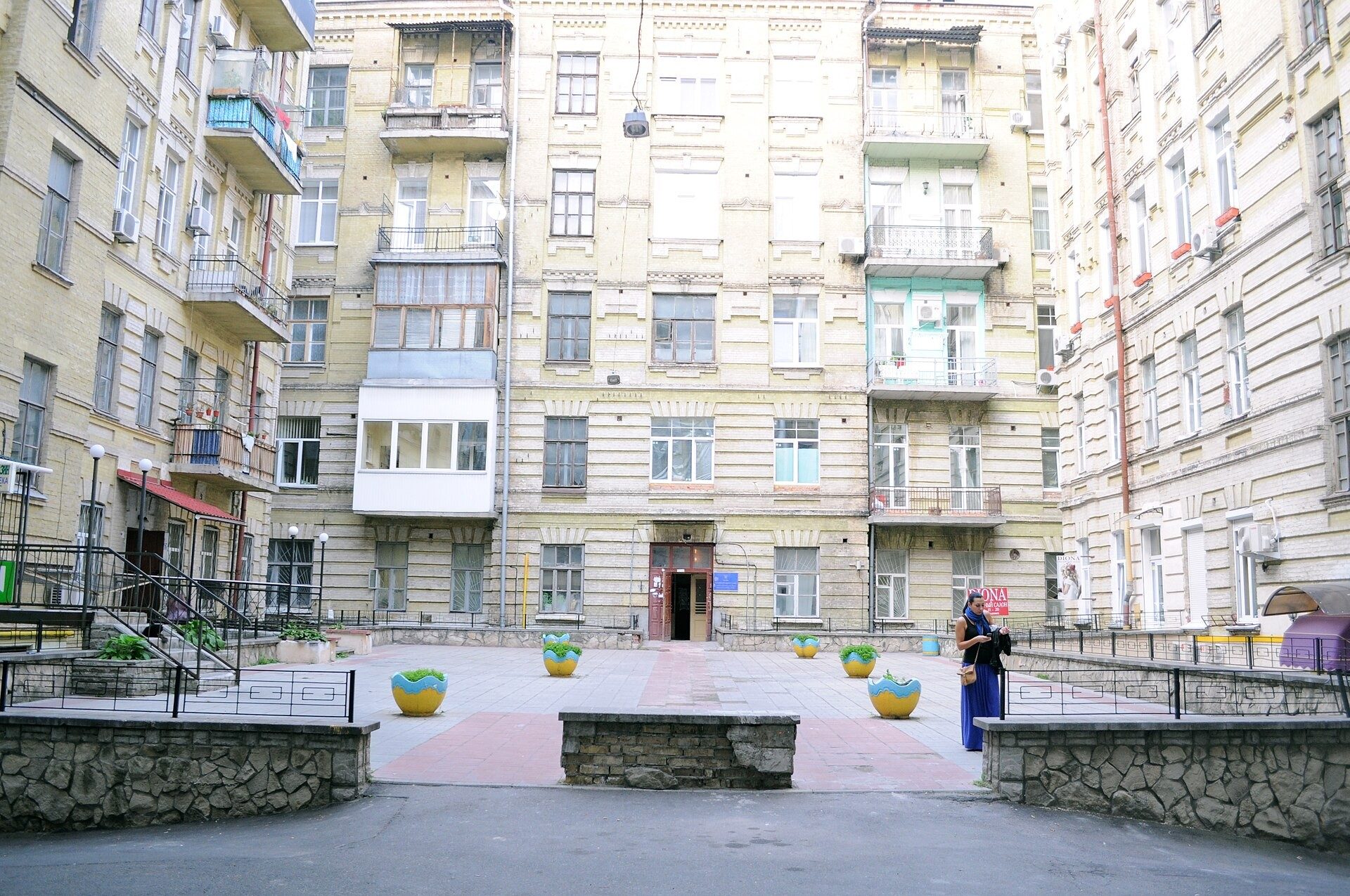
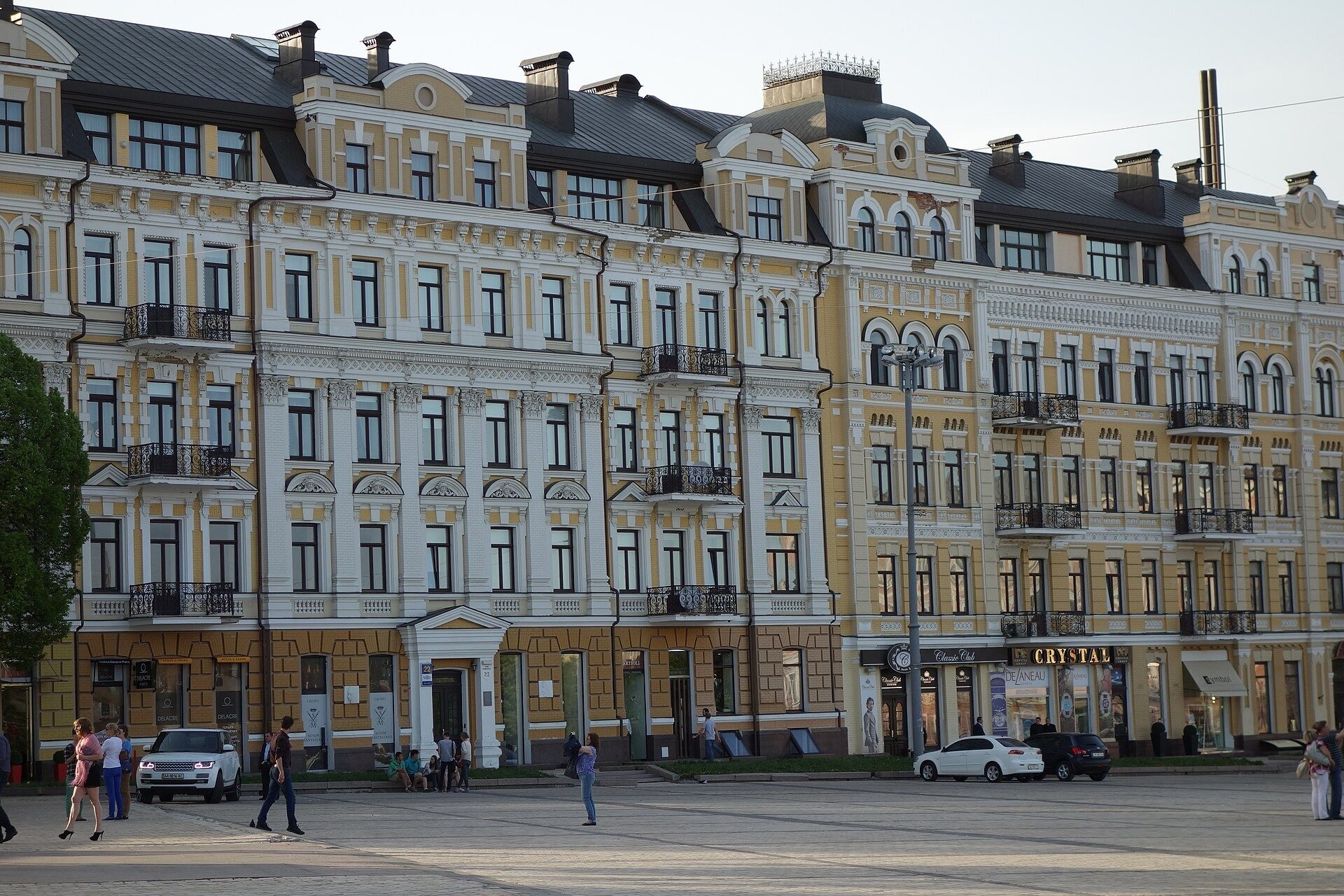
Refugee housing demand across Ukraine has never followed a single national script. Each oblast sets its own blend of rent freezes, hostel conversions, and voucher rules, so the same family of four can face open vacancies in one province and multi year waitlists a few hundred kilometers away. Understanding those regime differences helps residents, aid groups, and investors read the market without jargon.
Arrival Patterns That Concentrate Demand in Certain Oblasts
Western provinces recorded the sharpest early inflows after 2022 because they sat farthest from front lines and already hosted dense rail and road corridors. Lviv, Zakarpattia, and Ivano Frankivsk saw apartment occupancy rates climb above ninety percent within months, while private landlords quickly converted spare rooms into short term lets. Central oblasts such as Vinnytsia and Khmelnytskyi absorbed secondary waves once western cities filled, yet their policy toolkits stayed lighter on rent caps. Eastern and southern territories closer to combat zones experienced the opposite pattern: physical destruction reduced usable stock, so demand spilled outward even as some residents remained in place under temporary occupancy certificates. These geographic splits form the first layer of any Ukraine market refugee housing oblast regimes analysis.
National statistics agencies track monthly registration numbers that still show Lviv oblast leading in absolute arrivals, followed by Dnipropetrovsk and Kyiv city. The numbers alone do not explain price spikes; local ordinances on maximum lease lengths and utility subsidies do. Families therefore shop for both physical space and the rule set attached to that space.
Western Policy Toolkits Favoring Rapid Private Conversion
Lviv and neighboring western oblasts leaned on simplified registration for landlords who open unused flats to displaced households. Municipal websites list property owners who agree to host for six or twelve months in exchange for modest compensation drawn from regional budgets. The approach keeps public shelters from overflowing and injects cash into the private rental market. At the same time, strict fire safety checks on converted basements limit how many units can enter the pool quickly. Demand therefore remains high even when raw vacancy rates look moderate on paper.
Aid organizations operating in these provinces often partner with local councils to reimburse utility arrears, removing one common barrier to landlords accepting new tenants. The resulting regime is market friendly yet still regulated enough to prevent open ended price gouging. Readers can compare outcomes with broader capital city dynamics through the Kyiv Real Estate Market Outlook for 2026 which shows how different rules produce different vacancy curves.
Eastern and Southern Oblasts Grappling with Damaged Stock
Kharkiv, Donetsk controlled areas, and Kherson face a dual shortage: buildings rendered unusable by shelling plus the need to house both returning residents and new arrivals from adjacent frontline villages. Local administrations prioritize modular temporary settlements funded partly through the national recovery framework visible on the Ukraine recovery portal. These modules offer winterized rooms but rarely full kitchens, so families continue searching private rentals once the initial crisis phase ends. Rent ceilings exist yet enforcement is uneven because many owners still live elsewhere and manage property remotely.
Reconstruction grants favor multi unit buildings over single family houses, which means demand for small apartments stays elevated while larger suburban homes sit empty. Policy makers must balance speed of shelter against long term livability, a trade off that keeps refugee housing pressure higher here than in western markets of similar pre war size.
Capital Region Rules Versus Neighboring Province Approaches
Kyiv city maintains a denser web of tenant protections than the surrounding Kyiv oblast. Inside city limits, landlords face longer notice periods before eviction and must register every short term contract with municipal housing offices. Outside the ring road those requirements loosen, allowing faster turnover but also greater risk of sudden rent hikes. Displaced households therefore cluster in suburban towns where monthly costs fall yet commuting times rise. The split creates two parallel sub markets within a single metropolitan area and illustrates how administrative borders still shape housing outcomes even when daily life crosses them freely.
Investors watching these zones consult broader infrastructure readiness data such as the World Bank EBRD DFC Disbursement Trends: Infrastructure Readiness by Geography to judge which suburbs will receive upgraded transit first and thereby ease housing pressure.
Lease Length Caps and Their Effect on Family Stability
Several oblasts cap new leases for displaced persons at twelve months renewable only once. The rule aims to keep stock circulating yet it also forces families to restart searches just when children settle into schools. Western provinces have begun experimenting with three year renewable contracts tied to employment verification, while eastern administrations retain shorter terms because damaged buildings may require demolition later. Families report higher stress levels under shorter caps, which in turn raises secondary demand for emergency hostels when renewals fail.
Clear public information about these caps remains uneven. Residents seeking plain language explanations often turn to the Foundation FAQ (frequently asked questions) for basic definitions before approaching local housing desks.
Funding Channels That Meet Local Regime Constraints
International lenders channel resources through both national ministries and direct oblast partnerships. The EBRD Ukraine program supports municipal energy efficiency upgrades that free budget space for housing subsidies, while the IMF Ukraine country analysis tracks overall fiscal room that determines how many vouchers each province can issue. Where local regimes already favor private landlords, external money multiplies available units faster. Where regimes rely on state owned hostels, the same funds expand capacity more slowly because construction procurement takes longer.
Private capital and non governmental organizations coordinate most effectively when local rules are transparent. Comparative lessons appear in the piece on NGO and Private Capital Coordination: Global Market Comparison which shows how clear lease templates attract more co investment than opaque administrative discretion.
Reading Demand Signals for Future Reconstruction Phases
Once front lines stabilize, return migration will reverse some current demand patterns. Oblasts that invested early in durable private rental frameworks may retain surplus capacity, while those that built only temporary modules could face empty sites and wasted maintenance budgets. Tracking registration numbers alone will mislead; observers must also watch changes in lease length rules and utility subsidy formulas. The Foundation Market Trends archive collects these rule changes over time so readers can spot shifts before prices move.
Newcomers to the topic can follow ongoing commentary on the Foundation Blog and explore tools on the Foundation platform that map oblast level housing indicators. Together those resources turn scattered local decrees into a coherent picture of Ukraine market refugee housing oblast regimes and their lasting impact on families seeking stable homes.
Readers comparing notes on Refugee Housing Demand by Oblast Policy Regime in Ukraine should keep one dated source list and one named owner for updates so the next review of Refugee Housing Demand by Oblast Policy Regime does not restart definitions. Article reference ukraine-351.
If two teams disagree about Refugee Housing Demand by Oblast Policy Regime, write the disagreement in one paragraph with the evidence each side trusts before any money language expands around Refugee Housing Demand by Oblast Policy Regime. Article reference ukraine-351.
A short refusal note for Refugee Housing Demand by Oblast Policy Regime should say what was parked, why it was parked, and who can reopen the file on Refugee Housing Demand by Oblast Policy Regime after new facts arrive in Ukraine. Article reference ukraine-351.
Timeless Value. Perpetual Legacy.