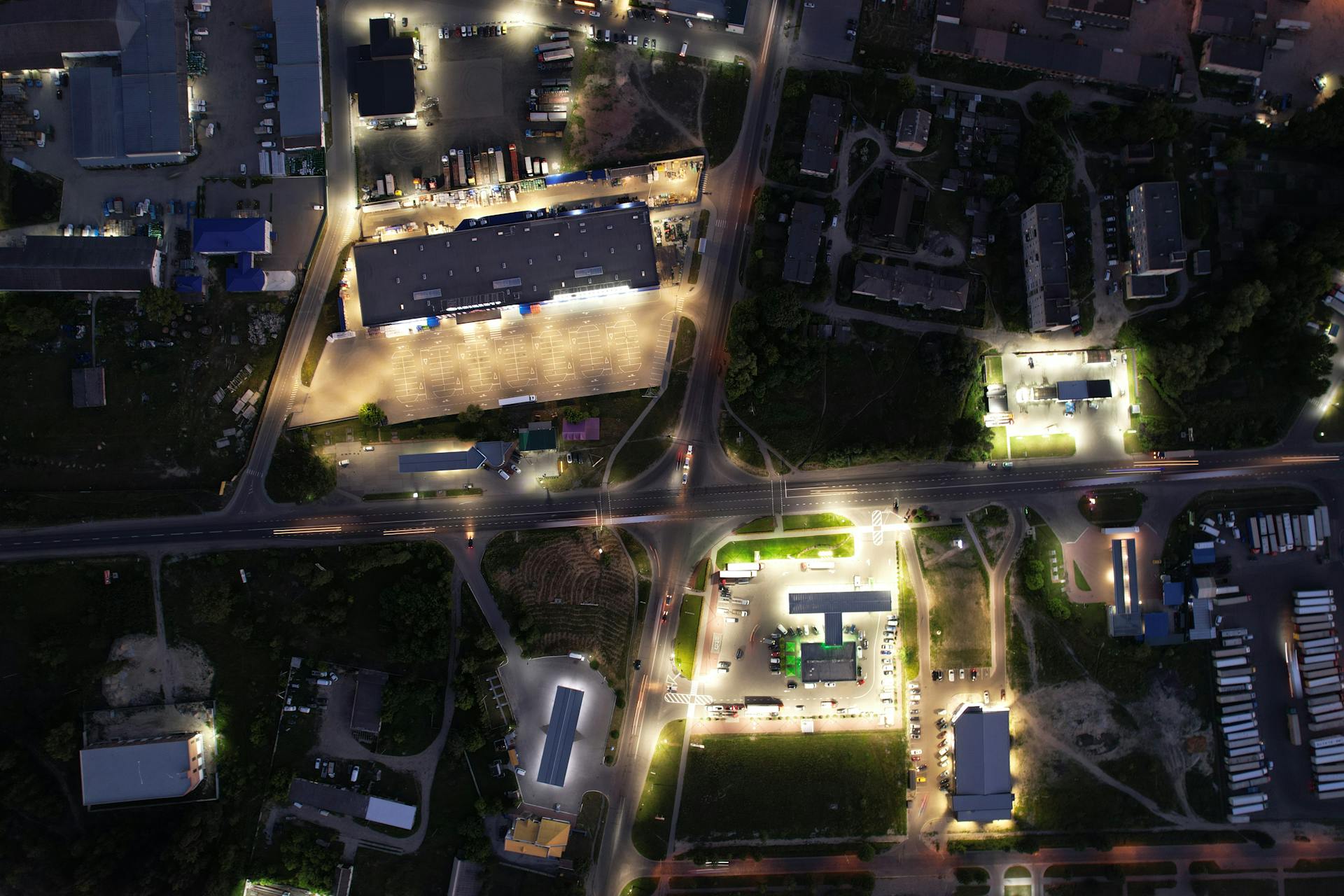
On Kyiv’s western edge, Sviatoshyn has begun a measured return that few outsiders notice at first glance. The district never shouted for attention even in calmer years, yet its streets now carry a low, steady energy that signals more than simple recovery. Families who left are testing the waters again, shops reopen with shorter menus and longer hours, and the metro line that once felt like a corridor out of the city now feels like a reliable thread back in. This is the sviatoshyn resurgence in its early, unadvertised form: quiet, practical, and rooted in daily life rather than grand announcements.
Foundation tracks places like this because they reveal how confidence rebuilds at neighborhood scale. The same forces shaping the capital’s broader property conversation appear here in smaller, more personal ways. Readers who want the wider frame can turn to the Kyiv Real Estate Market Outlook for 2026 for context on pricing and demand across the city, yet Sviatoshyn itself rewards a closer walk.
Western Fringe Streets Finding Their Footing Again
Residents describe the change first as sound. Construction tools appear for a few hours, then vanish. Delivery vans linger longer outside corner shops. Children play later into the evening near the older apartment blocks that line Peremohy Avenue’s quieter branches. None of these details make national headlines, yet together they sketch a district reclaiming ordinary rhythm.
Many buildings still show the marks of hard years. Windows replaced in haste sit beside carefully restored façades. Sidewalks patched last summer already host new bicycle racks. The overall impression is not polished perfection but deliberate care. People are choosing to stay and improve rather than wait for distant decisions. That choice itself is a form of investment, one that rarely appears in official tallies yet shapes the ground under every larger project.
Transit Threads That Keep the District Linked
Sviatoshyn’s metro stations remain its strongest assets. A short ride places workers in central Kyiv, while the same lines bring visitors who once overlooked the western edge. Bus and marshrutka routes fill the gaps between stations, carrying shoppers and students without forcing car ownership. Green corridors along the railway embankments offer walking paths that feel almost suburban, a rarity so close to the capital’s core.
Reliable transit reduces the isolation that can freeze a neighborhood after disruption. When people can reach jobs, clinics, and markets without heroic effort, they reinvest in the place they sleep. Local planners have long understood this, and recent repairs to station access ramps and lighting show that understanding still holds. Anyone studying how money returns to Kyiv should note the same pattern elsewhere; the Capital Flight Reversal: Signs of Confidence Returning to Kyiv piece maps those city-wide signals with useful clarity.
Housing Stock That Mixes Old and Newly Stabilized
Panel buildings from the late Soviet period stand beside brick houses from earlier decades and a scattering of newer mid-rises. After years of deferred maintenance, owners now tackle roofs, elevators, and shared courtyards with whatever resources they can gather. Some cooperatives pool small monthly contributions; others rely on relatives abroad who send funds specifically for building work. The result is uneven but real progress: fewer broken intercoms, more painted entrances, occasional playground equipment that actually works.
Private houses farther from the main arteries show similar attention. Gardens reappear. Fences receive fresh paint. Solar panels glint on a growing number of roofs, a practical hedge against energy uncertainty. These micro-improvements rarely attract large developers, yet they stabilize the district from the inside. Families who might have sold at a discount decide instead to renovate and remain. That decision keeps neighborhood fabric intact and gradually lifts the floor under local prices.
Why Mixed Typology Matters
A single housing type can lock a district into one economic fate. Sviatoshyn’s blend of stock creates multiple price points and lifestyle options. Young couples rent modest flats near the metro; multi-generational families occupy houses with small plots; professionals seek renovated units with better insulation. This variety cushions the area against sudden shifts in any single demand segment and keeps streets occupied at different hours of the day.
Commerce Returning Along Familiar Arteries
Main roads once lined with shuttered storefronts now host bakeries that open at dawn, pharmacies with longer evening hours, and small grocery points that stock both Ukrainian staples and imported goods. Many of these businesses are restarted by the same owners who left and came back. Their knowledge of local tastes and supply routes shortens the learning curve that new entrepreneurs face. Payment terminals work more reliably; delivery apps list more addresses inside the district each month.
Service businesses follow. Hair salons, appliance repair shops, and language tutors for children reappear in ground-floor rooms. Their presence turns residential streets into living neighborhoods again. Revenue stays local longer when people can meet basic needs without traveling far. That circulation of money, modest as it is, underpins the quieter side of economic recovery that large indicators sometimes miss.
National institutions monitor the broader money flows that eventually reach these corners. The National Bank of Ukraine publishes data on remittances and household deposits that help explain why some districts recover faster than others. Cross-checking those figures against street-level observation in Sviatoshyn offers a fuller picture than either source alone.
Public Services Rebuilding Trust Through Consistency
Schools and clinics form the quiet backbone of any resurgence. Teachers who stayed through difficult terms now teach fuller classrooms. Clinics that once struggled for staff have restored regular hours for routine care. Parents notice when the schoolyard fence is mended and when the vaccination schedule runs on time; those details signal that institutions intend to remain.
Local libraries and cultural houses host small events again: book readings, craft workshops, occasional music evenings. Attendance is modest, yet the fact of the gathering matters more than the headcount. Community memory is rebuilt one shared evening at a time. Residents who once felt the district had gone silent now hear voices in familiar places, and that sound encourages further investment of time and care.
International partners track the larger reconstruction picture that makes such local consistency possible. The Ukraine recovery portal lists programs and priorities that eventually filter down to district-level repairs. Understanding those pipelines helps explain why certain streets receive attention first and how future projects may unfold.
Money Pathways Touching Neighborhood Scale
Reconstruction capital rarely arrives as a single check. It moves through layers of public budgets, international loans, and private savings. In Sviatoshyn the visible effects appear as new water pipes, repaired school roofs, and better street lighting. Behind those physical upgrades stand financing mechanisms that Foundation examines across the country. Readers seeking the national view will find useful detail in Reconstruction Financing Trends Shaping the 2026 Market, which situates local improvements inside larger funding currents.
Households themselves form a parallel finance stream. Remittances from family members working abroad often target specific improvements: a new boiler, double-glazed windows, a small car that reduces reliance on crowded transport. These private decisions accumulate. Over months they change the look and feel of entire blocks. When enough households choose to upgrade rather than exit, the district’s trajectory shifts from holding pattern to gradual ascent.
Multilateral lenders shape the environment in which both public and private money operate. The World Bank Ukraine country program and the IMF Ukraine country analysis outline conditions and support packages that influence currency stability, interest rates, and public investment capacity. Those macro factors eventually decide how many roofs can be fixed in a single season on Kyiv’s western edge.
European partners add another layer. The EBRD Ukraine program backs energy efficiency and municipal infrastructure projects that can reach districts like Sviatoshyn once local applications clear the necessary steps. Awareness of these channels helps residents and small investors understand which improvements are realistic in the near term.
Everyday Markers That Signal Lasting Change
Walk the side streets at dusk and the markers appear without fanfare. Lights stay on in more windows. Courtyard benches host conversations that stretch past dark. Delivery drivers know addresses by heart again. None of these signs require specialized knowledge to interpret; they simply confirm that people expect the district to remain worth caring for.
Property transactions, though still cautious, show longer holding periods. Sellers who once accepted deep discounts now wait for better offers. Buyers ask detailed questions about building management and nearby services rather than treating the purchase as temporary shelter. That shift in mindset is itself part of the sviatoshyn resurgence: the quiet conviction that this western edge of Kyiv has a future worth planning around.
Foundation gathers such observations across the capital and beyond. For a wider collection of similar stories and data, the Market Trends archive remains a useful starting point. Readers who prefer shorter answers to common questions can browse the FAQ (frequently asked questions) section, while longer essays and field notes appear regularly on the Blog. All of these resources live inside the larger Foundation platform, which connects local insight with national and international perspective.
Sviatoshyn will not become a showcase overnight, nor does it need to. Its strength lies in the unspectacular work of people who decided the western edge still feels like home. As that decision multiplies, the district’s quiet resurgence gains weight, street by street, season by season, until the quiet itself becomes the most reliable signal of lasting return.
Related Foundation reading: Women Founder Networks in Ukraine: What New Guidance Changes for Marke.
Timeless Value. Perpetual Legacy.