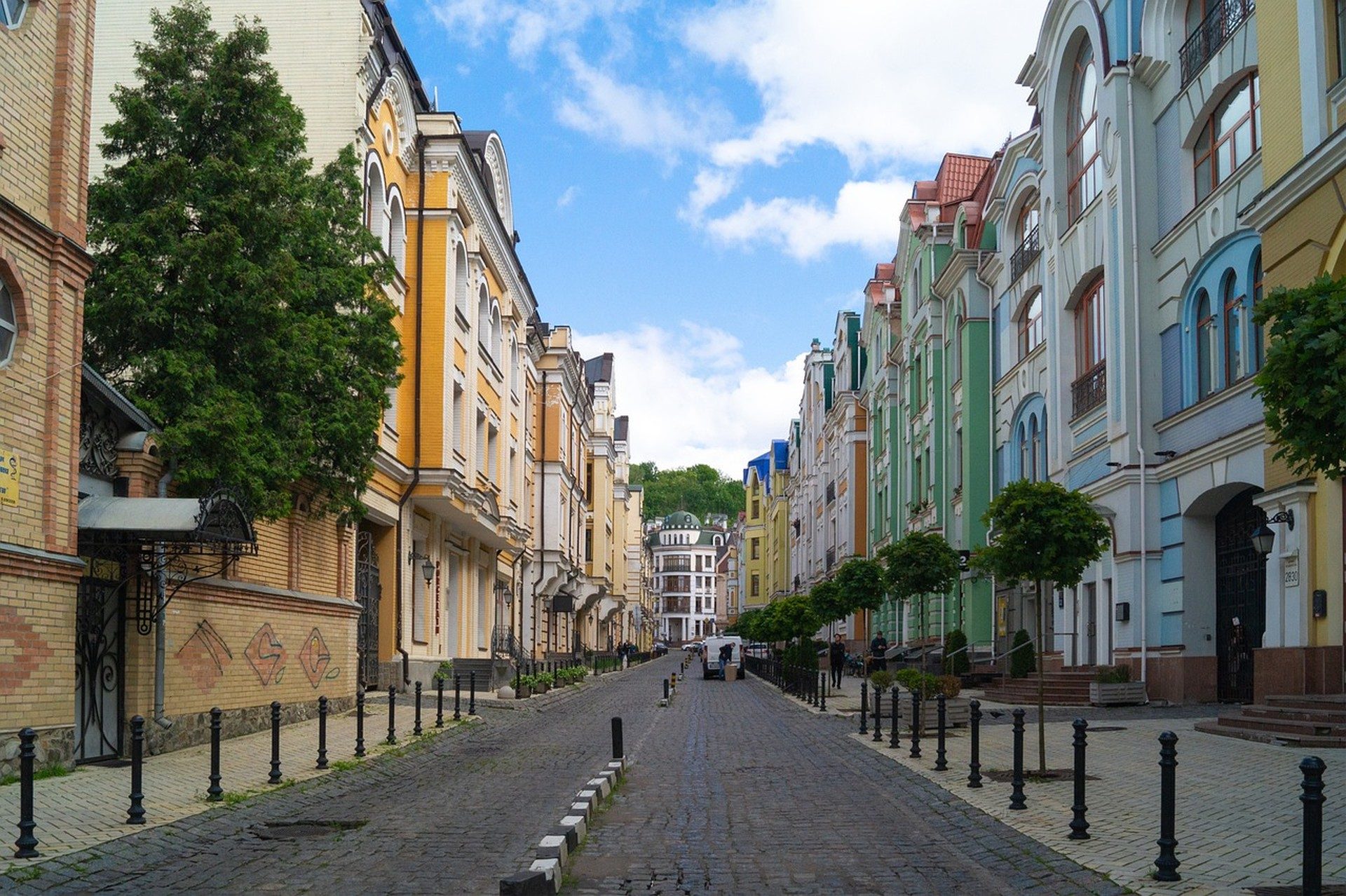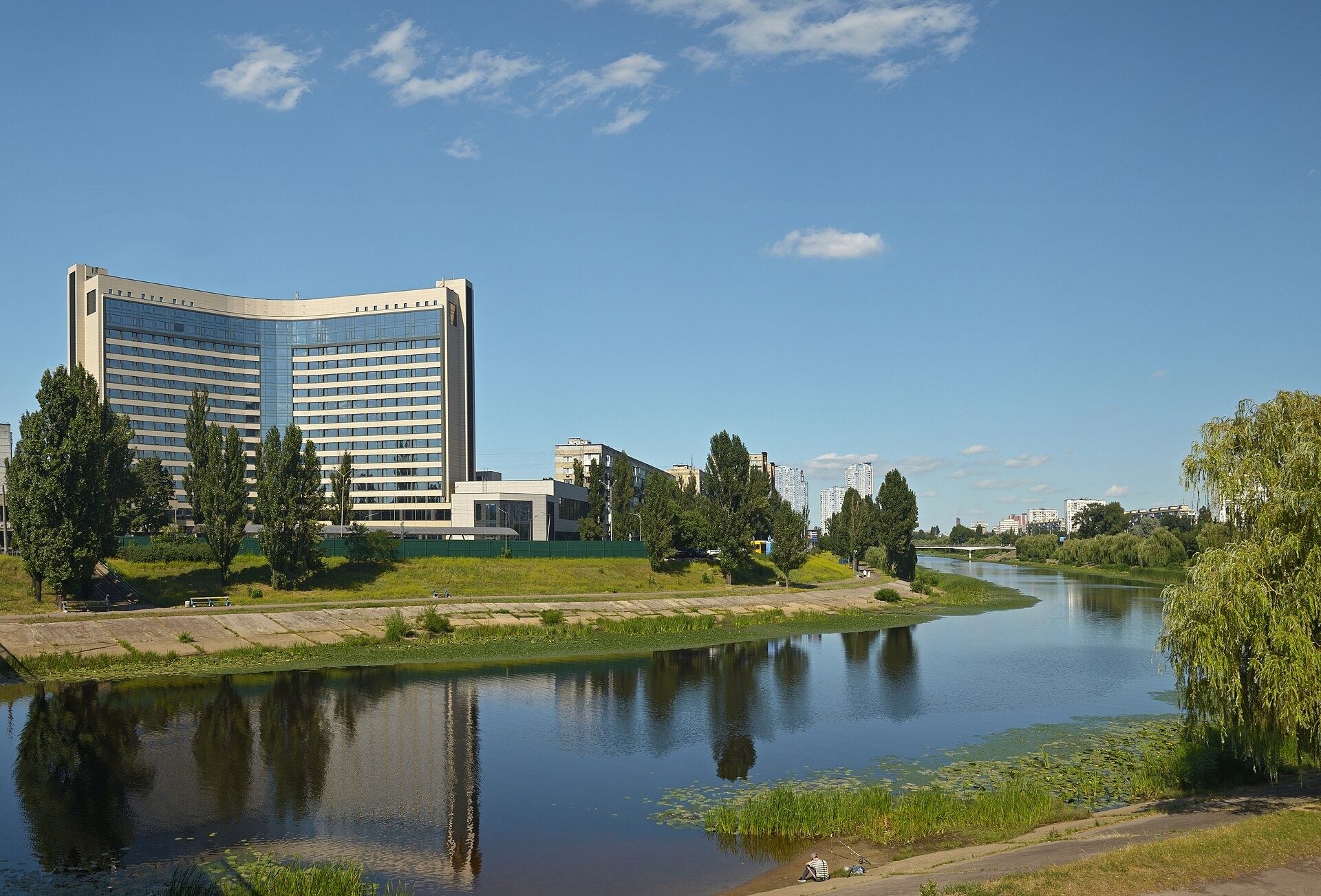
Heritage sites across Ukraine hold more than memory. They can produce steady revenue when operators track numbers that journalists actually print. Castles, monasteries, open-air museums and restored town squares already draw domestic and returning visitors. The difference between a quiet cultural asset and a headline story often sits in a handful of clear metrics that prove cash is moving and jobs are lasting.
Foundation teams work with local stewards who want those metrics to be honest, simple and hard to dismiss. The focus keyword ukraine ss heritage revenue strategy metrics points to a practical discipline: measure what preservation earns, show how the money supports communities, and package the proof so editors and funders pay attention. Below are the concrete measures that turn careful work into public stories.
Mapping Restored Sites to Cash Flow Lines in Ukrainian Regions
Every heritage complex needs a short map of money sources before anyone starts counting. Ticket windows remain visible, yet they rarely dominate the ledger. Venue rentals for concerts, film crews and private events often outpace gate receipts. On-site workshops selling ceramics, embroidery and woodwork create repeat income that scales with tourism seasons. Food stalls run by local cooperatives add another layer that stays in the surrounding villages.
Operators in Lviv oblast and around Odesa already separate these lines in monthly reports. They list fixed fees from long-term tenants, variable day rates from short bookings, and commission percentages from craft sales. When the map is complete, a single dashboard can show which line is growing and which needs attention. This approach lets a monastery courtyard or a fortress wall stand as both a cultural landmark and a small business with transparent books.
Readers who want parallel thinking on adaptive reuse can examine The BRRRR Method Adapted for Post-War Kyiv Real Estate, where similar discipline turns damaged structures into performing assets.
Visitor Spend Per Capita That Editors Quote Without Editing
Average spend per visitor is the first figure most reporters request. It is easy to calculate and hard to fake. Collect the total revenue from all on-site and partner outlets, divide by the number of unique visitors for the same period, and you have a clean number. In practice Ukrainian sites now track spend inside the walls plus spend at certified partner cafés and shops within a short walk.
Strong sites post figures above 450 hryvnia per person on a typical summer day. Weaker ones sit below 180. The gap usually comes from the quality of guided experiences and the presence of authentic products rather than generic souvenirs. Publish the number monthly with a one-sentence note on what drove any change. Journalists treat that combination as ready copy.
Seasonal adjustment matters. Winter markets and Christmas events raise spend even when footfall drops. Record the seasonal pattern once and reuse the explanation. Consistency builds trust faster than occasional dramatic spikes.
Grant Multipliers That Signal Private Capital Is Following
Public grants remain vital for roof repairs and structural safety. The metric that moves headlines is the multiplier: how many private hryvnias arrive for every public hryvnia invested. A clean ratio of 1:3 or higher tells a recovery story that international desks understand. Track the ratio over rolling twelve-month windows so one large gift does not distort the picture.
Documentation should list the original grant, the private co-funding that followed, and the new revenue the combined capital unlocked. Sites that keep this ledger open for inspection attract further rounds more easily. The Ukraine recovery portal already publishes many of the original public allocations; pairing those figures with private follow-on capital creates a complete narrative.
European Bank for Reconstruction and Development support often appears in these packages. Operators who reference the EBRD Ukraine program in their multiplier notes give reporters an authoritative external reference without extra research.
Media Mentions Balanced Against Real Ticket and Rental Sales
Press coverage feels good yet can float free of economic reality. Pair every major media mention with the change in ticket or rental volume that followed within thirty days. A television feature that lifts weekend bookings by 22 percent becomes a usable data point. A long feature that produces no measurable lift is still recorded, but it is labeled as brand-building rather than revenue-driving.
Keep a simple table: date of coverage, outlet, estimated audience, subsequent change in paid entries or bookings. When the table is shared with journalists they can see the discipline and often write the next story more carefully. Over time the ratio of high-impact mentions to total mentions becomes its own headline metric.
Craft and Food Workshops That Outperform Pure Sightseeing
Hands-on sessions frequently generate higher margins than walk-through tours. A two-hour embroidery class or a blacksmith demonstration can sell for several times the price of a standard ticket while using the same historic space. Measure revenue per square meter of workshop area and compare it with revenue per square meter of exhibition halls. Many Ukrainian sites discover the workshops win.
Track participant return rates as well. Visitors who book a second workshop within six months are far more valuable than one-time ticket buyers. When those return rates exceed 30 percent the story writes itself: heritage is creating living skills, not just static displays. Local artisans become co-authors of the revenue plan rather than background color.
Comparable thinking on logistics corridors that bring craft buyers appears in EU Border Logistics Park Strategy: Benchmarks for Analysts and Reporters, where cross-border flows similarly turn into measurable economic activity.
Energy and Maintenance Costs That Determine Long-Term Viability
Revenue numbers lose meaning if operating costs climb unchecked. Heritage buildings often consume more heat and power than modern structures. Record kilowatt-hours per visitor and heating costs per square meter of conditioned space. When those unit costs fall after insulation upgrades or efficient lighting, the reduction itself becomes a positive metric.
Sites that publish both rising visitor revenue and falling unit energy costs tell a dual story of cultural success and fiscal responsibility. The same discipline appears in infrastructure work tracked under Renewables Buildout Economics in Ukraine: 2026 Data and Macro Context. Linking the two conversations shows heritage is not competing with modern energy goals but participating in them.
Scorecards Simple Enough for Non-Experts and Auditors Alike
A final public scorecard should fit on one page. Include visitor spend per capita, grant multiplier, workshop margin share, media-to-sales conversion, and unit energy cost. Add one short paragraph on employment: permanent jobs plus seasonal contracts held by local residents. Update the card quarterly and archive previous versions so trends remain visible.
International Monetary Fund country notes often supply the broader macro backdrop that makes these micro numbers credible. Referencing the latest IMF Ukraine country analysis in the scorecard notes places the heritage figures inside a recognized national recovery frame.
Operators who want deeper reading on related methods can browse the full Smart Strategies archive. Common questions about measurement definitions appear in the FAQ (frequently asked questions). Ongoing case notes and field updates live on the main Blog. The wider Foundation platform hosts additional tools that keep the same standards across sectors.
When the scorecard is honest, the headlines write themselves. Preservation stops looking like a cost center and starts reading as a durable revenue strategy that Ukraine can scale with pride.
Related Foundation reading: AI Sector Demand Pushes Office Rents Higher in Pechersk and Telecom Backbone Redundancy Planning: Infrastructure Readiness by Geog.
Timeless Value. Perpetual Legacy.