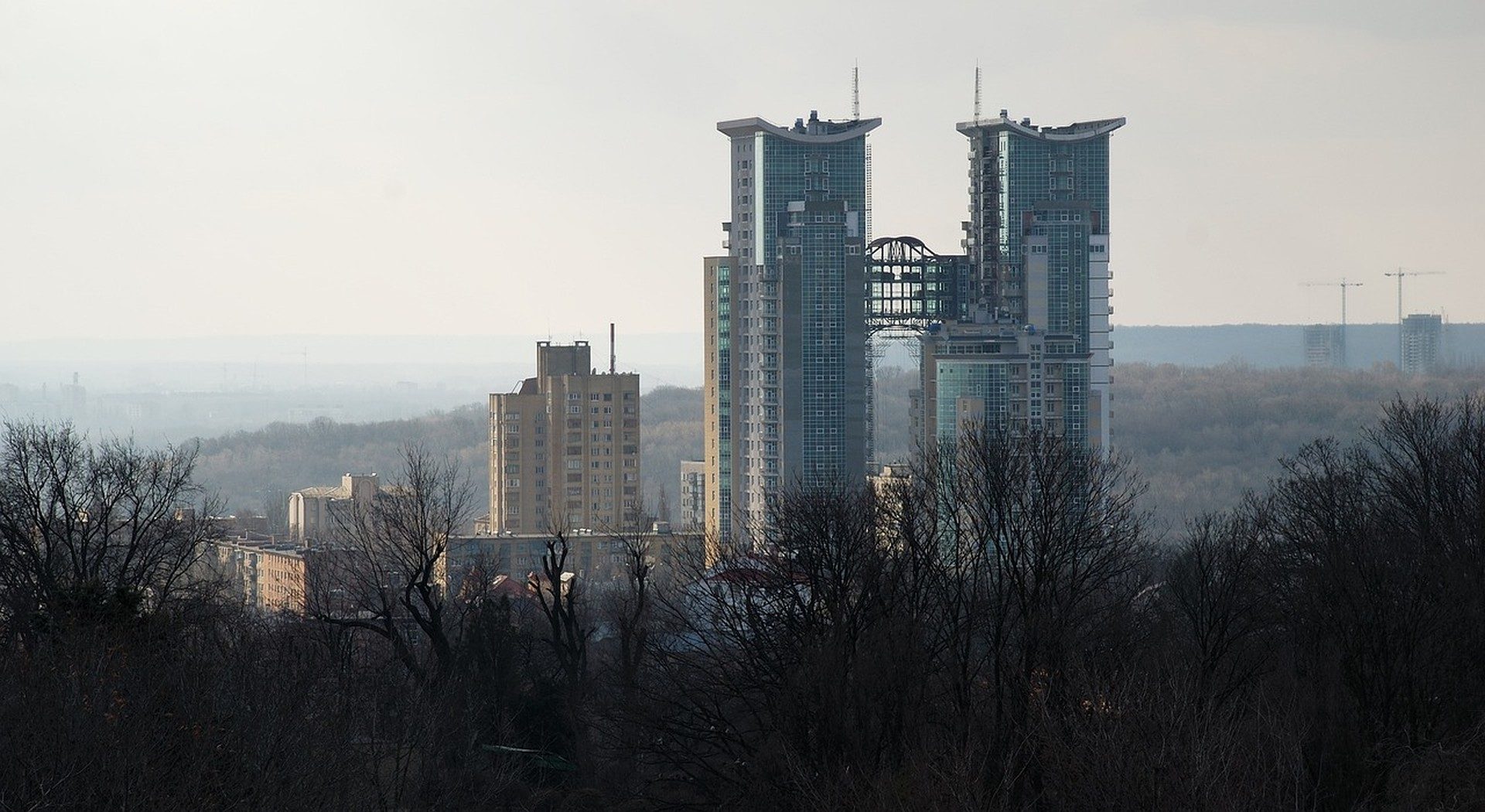
Multi-layer tower projects in Ukraine place unusual pressure on every hiring decision. Foundations, cores, floor plates, and facade systems must work as one assembly. A weak contractor at any stage can delay occupancy, raise insurance costs, or leave permanent structural gaps. Foundation prepares owners and project managers with a practical contractor vetting checklist built for these stacked realities rather than generic office fit-outs.
Owners often rush the bid phase because financing windows close quickly. Yet the cost of replacing a failing contractor after foundation pours or core walls rise dwarfs the time spent checking credentials up front. This article walks through the concrete checks that matter most for high-rise work across Ukrainian cities, using plain language so non-experts can apply them without hiring a full construction attorney on day one.
Layer-Specific Competence Tests for Tower Builders
A multi-layer tower is not one building; it is four interdependent systems. The ground level must carry load paths that change as height increases. Core walls stiffen the structure against wind. Intermediate floors transfer those loads. The outer skin manages weather and energy. Ask every bidder to describe a prior project that required all four systems to be sequenced under a single schedule. Demand drawings or photos that show how they coordinated pours with steel erection and facade attachment.
If a firm only shows experience with low-rise commercial shells, treat that as incomplete. Cross-check their claims against the technical sequencing shown in Engineering the Four Layers: A Technical Execution Guide. That resource explains the load and waterproofing hand-offs that separate competent tower contractors from general builders. Request site logs that prove they managed those hand-offs without major rework.
Ukraine’s recovery environment adds another filter. Post-conflict sites may hide damaged soil or partial basements. Confirm that the contractor has experience with geotechnical surprises and has adjusted pour sequences accordingly. The Ukraine recovery portal lists many active reconstruction zones; ask how the firm adapted methods on any project inside those zones.
Paper Trail That Proves Legitimate Registration and Insurance
Start with the Unified State Register extract for the legal entity. Confirm that the company is active, that the directors match the people presenting the bid, and that no bankruptcy marks appear. Then request the full insurance binder covering construction all-risk, third-party liability, and workers’ compensation. Limits must match the height and value of your tower; a low-rise policy will not suffice.
Next examine tax clearance certificates from the previous two years. Unpaid taxes can freeze bank accounts mid-project. The National Bank of Ukraine publishes guidance on financial transparency that many lenders now require; use that guidance as a checklist when reviewing the contractor’s bank references. Finally, demand a current license for high-rise construction works issued by the relevant Ukrainian authority. Expired or restricted licenses end the conversation immediately.
Owners sometimes overlook subcontractor agreements. Require the main contractor to list every specialized firm that will handle formwork, rebar, or facade installation. Each of those firms should appear in the same register with matching insurance. A clean paper trail at this stage prevents later disputes over who is responsible when a joint fails.
On-Site Evidence Gathered from Finished Towers
Paper alone never confirms quality. Visit at least two completed multi-story projects delivered by the shortlisted firm. Walk the basement parking, the stair cores, and the roof plant rooms. Look for consistent joint sealing, even floor slopes, and absence of water staining. Speak with the current facility manager about warranty response times. A contractor that disappears after handover will leave you with costly maintenance later.
Photograph typical details: balcony edge conditions, expansion joints, and elevator shaft walls. Compare those photos against the drawings the firm submitted with their bid. Any major deviation signals that the company cuts corners when supervision is light. Also ask for the as-built documentation package. Missing or incomplete as-builts make future renovations harder and can reduce resale value for investors who later apply strategies such as those in Five Signs a Building Qualifies for BRRRR in Kyiv.
Reference calls should reach owners of those finished towers, not just the contractor’s preferred contacts. Prepare three precise questions: Did the schedule slip more than ten percent? Were change orders fair and documented? Did the final safety audit pass without major non-conformities? Record the answers and score them consistently across all candidates.
Safety Culture Measured by Incident History
High-rise work multiplies fall and crane risks. Request the contractor’s full accident log for the past five years, including near-misses. Ukrainian labor inspectors keep public records of serious incidents; verify the log against those records. A firm that reports zero incidents on multiple towers is either exceptional or dishonest, dig deeper by speaking with former supervisors.
Examine training certificates for every crane operator and scaffold installer who will work on your site. Confirm that the certificates are current and issued by recognized Ukrainian training centers. Walk the yard where the firm stores equipment; frayed slings or untagged harnesses reveal a culture that tolerates shortcuts. Safety performance also influences insurance premiums and lender confidence, both of which affect your overall project cost.
International partners often require alignment with standards promoted by institutions such as the World Bank Ukraine country program. Ask whether the contractor has ever worked under World Bank or similar donor-funded rules. Experience with those rules signals readiness for stricter oversight and documentation.
Financial Endurance Across Long Construction Cycles
Tower projects stretch over many months and several payment milestones. A contractor that runs out of working capital midway will slow your site or demand advance payments that strain your own cash position. Request audited statements for three years plus a current bank letter confirming unused credit lines. Look for steady revenue from construction rather than sudden spikes that may reflect one-off projects.
Check payment history with major suppliers of concrete, rebar, and elevators. Suppliers who have waited six months for payment will hesitate to deliver to your site. The EBRD Ukraine program has financed many reconstruction efforts and often requires counterparties to demonstrate liquidity; use their published criteria as a second filter. If the contractor cannot open a project-specific escrow or performance bond for at least ten percent of the contract value, move on.
Currency fluctuations remain a live risk in Ukraine. Confirm that the firm can price and hedge materials priced in foreign currency. Sudden jumps in steel or glass costs have bankrupted undercapitalized builders. A solid contractor will show contracts that already include reasonable escalation clauses rather than open-ended claims.
Interview Questions That Reveal True Decision Power
Meet the actual site manager and structural engineer who will live on your project, not only the sales director. Ask them to describe the last time a pour sequence had to change overnight because of weather or material delay. Listen for clear ownership of the solution rather than blame on suppliers. Inquire how they track daily progress against the master schedule and who has authority to approve overtime or additional crews.
Probe their experience with local permitting offices in the specific city of your tower. Delays at the municipal level kill schedules more often than technical problems. A team that already knows the inspectors and the document formats will save weeks. Also ask how they handle interface meetings among the foundation, core, and facade crews. Weak coordination at those meetings is a leading cause of rework.
Cross-reference the people you meet against the corporate registry. Ensure the site manager is a full-time employee, not a freelance hire who may leave mid-project. Continuity of key staff protects schedule integrity. Owners who skip this personal interview often discover too late that the experienced face on the bid document never appears on site.
Title and Land Risks That Contractors Must Help Manage
Even the best builder cannot proceed if land rights are cloudy. Before final award, confirm that the contractor understands the title verification steps required for the parcel. Share any known easements or historical claims and ask how they would protect the site against third-party interference during construction. The process outlined in How to Verify Title Before an Off-Market Purchase remains relevant; a contractor who has navigated similar issues will flag problems early.
Request a written method for securing temporary works access if neighboring plots are involved. Multi-layer towers often need tower-crane swing over adjacent land. Unclear agreements here lead to injunctions. The contractor should already have templates for such agreements and a lawyer familiar with Ukrainian property code.
Macro conditions also matter. Review the latest IMF Ukraine country analysis for currency and inflation outlooks that may affect material pricing. A contractor who monitors these reports can adjust procurement timing and protect your budget.
Where to Continue Learning After the Checklist
Vetting is never finished on award day. Keep the same scorecard for monthly performance reviews so early warning signs surface while correction is still possible. For additional practical notes on Ukrainian real-estate and construction topics, browse the Tips Insights archive. Readers comparing markets sometimes study parallel approaches published under Israel investor guidance.
Common questions about timelines, permits, and contractor disputes appear in the FAQ (frequently asked questions). Fresh case notes and market observations continue to appear on the main Blog. Use those resources to keep your internal checklist current as regulations and market conditions evolve.
A disciplined contractor vetting checklist does not eliminate every risk, yet it sharply reduces the chance that a multi-layer tower stalls at a critical height. Owners who apply these checks consistently protect both capital and schedule. Foundation remains available to help refine the process for each specific site and financing structure.
See also Israel investor guidance.
Related Foundation reading: Smart Irrigation Systems for Agribusiness: Common Misconceptions Clear.
Timeless Value. Perpetual Legacy.