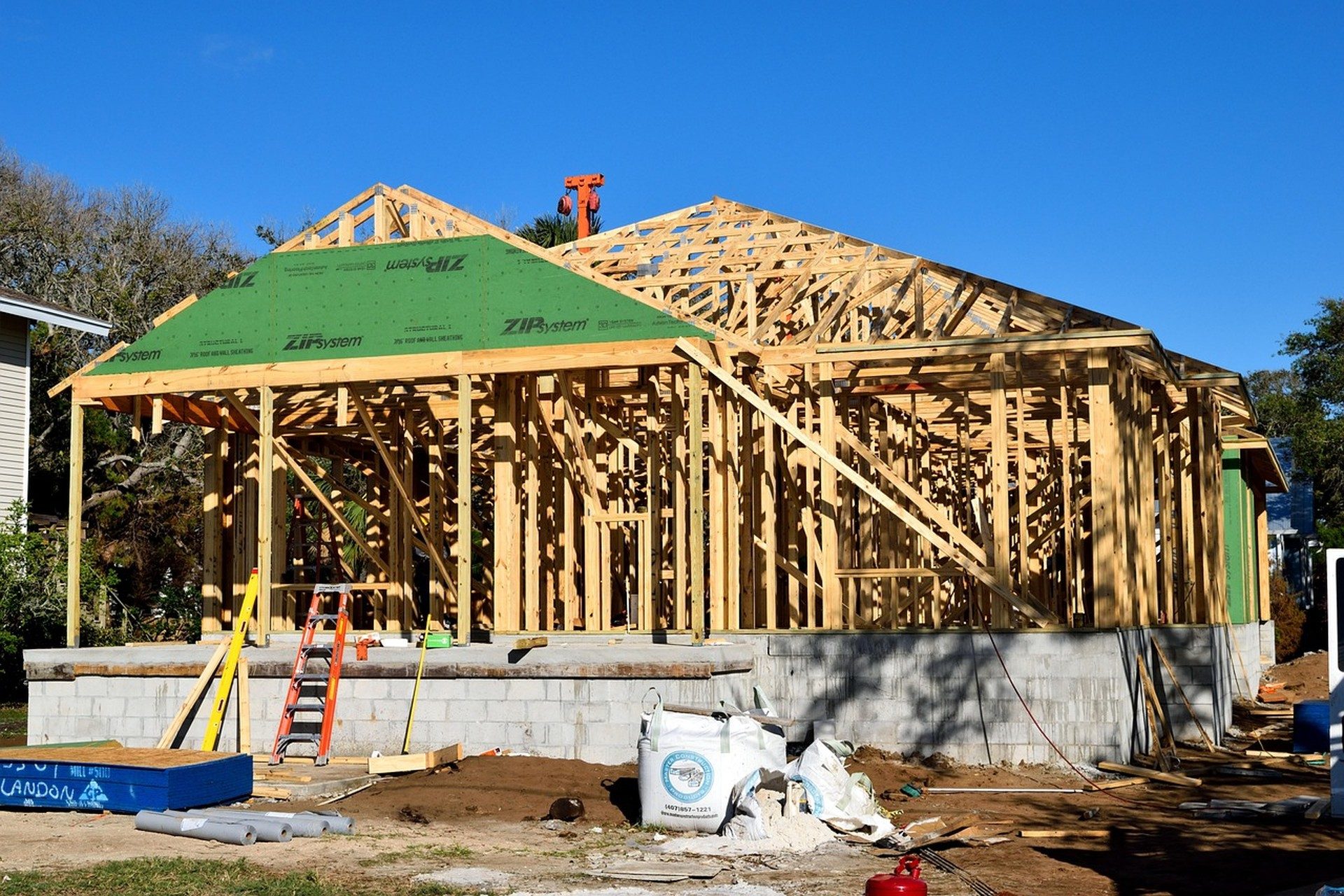
Reconstruction across Ukraine brings hope and hard arithmetic at the same time. Materials, labor, logistics, and insurance all move faster than most fixed budgets can follow. A solid contingency budget reconstruction plan is the practical shield that keeps a project alive when prices jump or a discovery under the foundation forces a redesign. This article walks through how ordinary investors and project owners can set that shield without guesswork.
Why Rebuild Work Across Ukraine Needs a Larger Cash Buffer
War damage leaves hidden voids under slabs, cracked utilities, and undocumented repairs. Currency swings still affect imported steel and equipment even when the National Bank of Ukraine steadies the hryvnia. Local crews may face sudden fuel shortages or temporary road closures that delay deliveries by weeks. Each of those events adds cost that a pre-war estimate never captured. Building a contingency equal to fifteen to thirty percent of hard costs is no longer extravagant; it is the new baseline for survival.
Owners who skip this buffer often discover the shortfall only after foundations are poured. At that stage every change order becomes expensive and time-consuming. Early recognition of the higher risk environment lets the contingency sit in a separate account rather than being absorbed into daily operating cash.
Spotting the Cost Shocks That Hit Reconstruction Sites First
Three categories of surprise appear most often. First, structural surprises: rebar corrosion, undocumented cellars, or soil that fails compaction tests after shelling. Second, market surprises: cement prices that spike when a major plant goes offline or skilled welders who demand night-shift premiums. Third, regulatory surprises: new energy-efficiency codes or heritage-protection reviews that appear midway through permitting. Mapping these three groups early turns vague anxiety into line items that can be quantified.
A walk-through with an independent engineer often reveals the first category. Talking with two or three suppliers about current lead times reveals the second. Checking recent municipal bulletins reveals the third. The same diligence that identifies a candidate property for the Five Signs a Building Qualifies for BRRRR in Kyiv also surfaces the risks that justify a thicker contingency.
Setting the Percentage That Matches Real Ukrainian Conditions
Start with the base construction estimate prepared by a local contractor. Multiply that figure by a risk factor drawn from recent regional data. Rural sites with limited road access may need twenty-five percent; urban Kyiv apartments with clear title and stable utilities may need only fifteen. Add a further five percent if imported mechanical systems form more than a third of the budget. The World Bank Ukraine country program publishes recovery cost ranges that help calibrate these multipliers against national trends.
Write the resulting number into a separate ledger line labeled “reconstruction contingency” so it cannot be raided for design upgrades. Review the percentage every quarter against actual change-order history. If the first two phases burn less than half the buffer, the later phases can safely reduce the remaining reserve.
Dividing Contingency Into Distinct Risk Pockets
One lump sum is easy to overspend. Split the total into three pockets: structural discoveries, supply-chain inflation, and soft-cost overruns such as extended insurance or temporary housing for crews. Assign each pocket a soft cap. Structural discoveries might hold forty percent of the total contingency, inflation thirty-five percent, and soft costs twenty-five percent. When a claim arises, draw only from the matching pocket. This discipline prevents a single large material price jump from emptying the entire reserve.
Track every draw with a short memo that names the pocket and the original budget line. Over time the memos create a clear audit trail that lenders and co-investors respect. Readers who want deeper technical layering can consult Engineering the Four Layers: A Technical Execution Guide for complementary methods.
Monitoring Draws So the Buffer Lasts the Full Project
Weekly site meetings should open with a one-page contingency dashboard. List remaining balance by pocket, pending claims, and expected release dates. Color-code any pocket that falls below twenty percent of its original allocation. That visual cue forces the team to either accelerate savings elsewhere or pause non-critical work until the risk eases.
Digital tools are helpful but not mandatory. A shared spreadsheet updated every Friday works if everyone agrees on the update rules. The goal is visibility, not software elegance. Owners who keep the dashboard current rarely face midnight phone calls demanding emergency cash.
Releasing or Shifting Money When Risks Fade
Once the roof is watertight and major utilities are tested, structural risk drops sharply. At that moment the structural pocket can release half its remaining balance into a general savings account or into the inflation pocket if material markets remain volatile. Document the release with a simple amendment signed by the owner and the project manager. Clarity at this stage prevents later disputes about who owns the unused funds.
If an off-market seller appears with a second damaged building, some of the freed contingency can seed due diligence on that next opportunity. Understanding What Off-Market Sellers Expect From Serious Buyers helps decide whether the remaining buffer is best kept or redeployed.
Aligning Contingency Rules With Banks and Co-Owners
Lenders often require proof that contingency sits in a blocked account until certain milestones. Write the release schedule into the loan agreement so that both sides share the same calendar. Co-owners may prefer a joint signature for any draw above a modest threshold. Agree on that threshold before groundbreaking. Clear rules reduce friction when the first surprise arrives.
The IMF Ukraine country analysis notes that transparent financial controls attract more private capital into reconstruction. A well-documented contingency process is one of those controls. For additional practical notes on similar markets, the Israel investor guidance offers useful parallels on post-conflict budgeting.
Learning From Sites That Already Overran Their Early Estimates
Early rebuild projects near Kharkiv and Mykolaiv showed that unplanned utility upgrades consumed the largest share of contingency. Sites that pre-ordered long-lead items such as elevators and transformers suffered fewer inflation hits. Owners who hired a full-time quantity surveyor from day one spent less time negotiating change orders. These patterns appear repeatedly in the Tips Insights archive and in longer discussions on the Blog.
Collecting three short case notes from peer projects before you sign your own contractor agreement costs little and saves months of later stress. The FAQ (frequently asked questions) page also answers common cash-flow timing questions that arise once contingency is in place.
A carefully sized and actively managed contingency turns reconstruction from a gamble into a managed process. The buffer does not eliminate surprises; it simply ensures that each surprise has a pre-funded answer. Owners who treat contingency as living capital rather than dead reserve finish more buildings and preserve more equity for the next cycle of rebuilding.
Readers comparing notes on How to Budget Contingency for Reconstruction Era Cost in Ukraine should keep one dated source list and one named owner for updates so the next review of How to Budget Contingency for Reconstruction Era Cost does not restart definitions. Article reference ukraine-114.
If two teams disagree about How to Budget Contingency for Reconstruction Era Cost, write the disagreement in one paragraph with the evidence each side trusts before any money language expands around How to Budget Contingency for Reconstruction Era Cost. Article reference ukraine-114.
Timeless Value. Perpetual Legacy.