Returning Ukrainians who left during earlier waves of upheaval now face a practical puzzle when they plan to settle again: which corridor offers the best match for family, work, and daily ease. The phrase diaspora corridor selection captures this weighing of routes, districts, and support systems rather than a single official lane. Foundation tracks these patterns so adults outside specialist circles can see the real choices without jargon.
Unpacking Why Different Return Paths Feel Distinct
A corridor here is simply a cluster of linked options that move together. One person may follow a family-heavy path that prioritizes schools and relatives in western regions. Another may chase a professional track centered on Kyiv offices or a quieter port city. These bundles differ in cost of living, language demands, and how quickly housing becomes available. People who spent a decade in Canada often rank winter resilience and public transport higher than those who lived in southern Europe. The selection process therefore starts with listing personal non-negotiables before any city brochure is opened.
Many returnees first map three or four possible corridors on paper. They jot down visa residual rules, residual foreign bank accounts, and the age of children. That list quickly shows whether a high-salary tech corridor in the capital outweighs a lower-cost corridor nearer grandparents. External data help ground the exercise. The IMF Ukraine country analysis supplies macro figures on growth and inflation that affect every corridor equally, while local details fill the gaps.
Childhood Memories Competing With Fresh Urban Opportunities
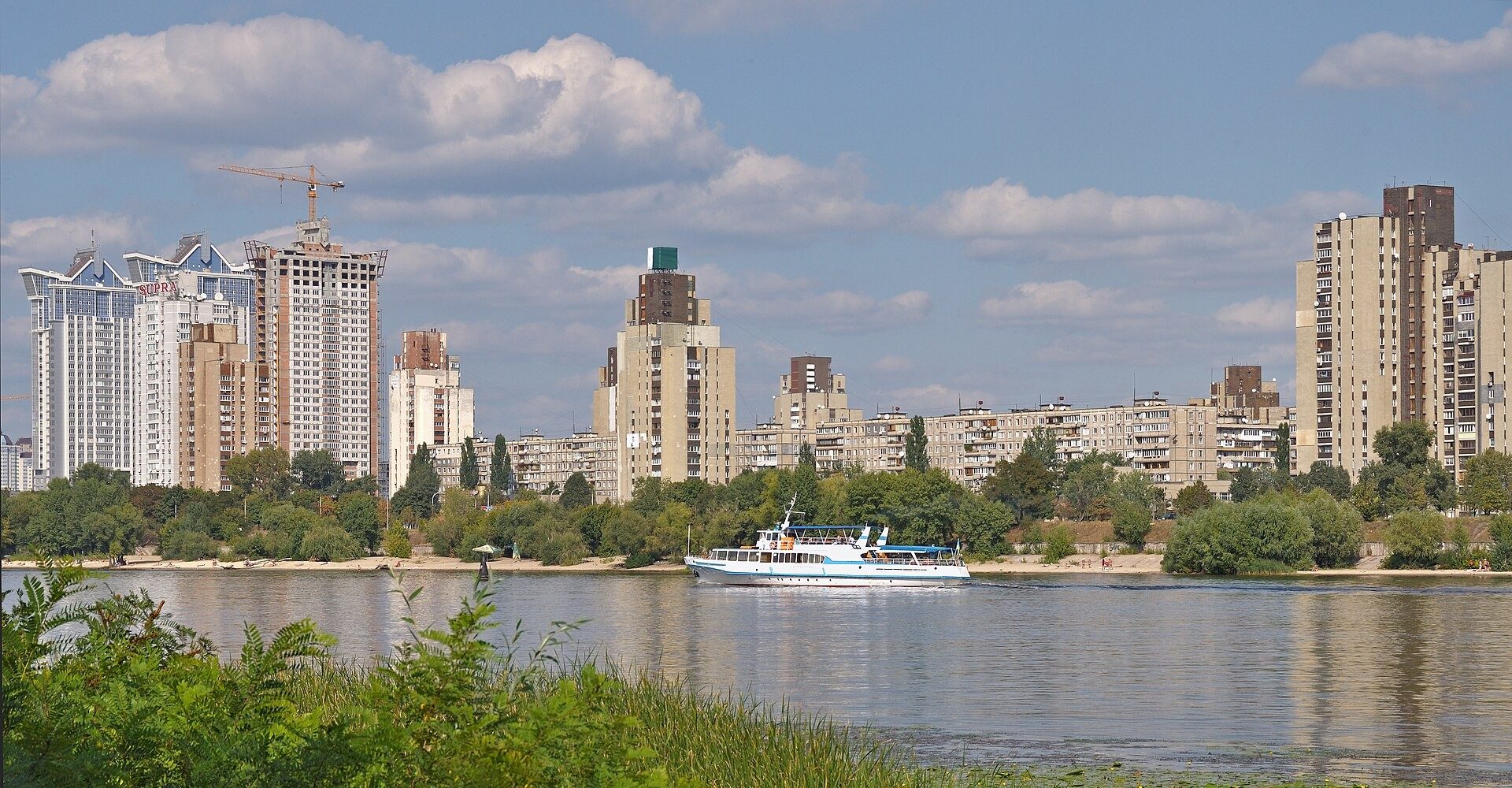
Nostalgia pulls hard. Someone who left Lviv as a teenager may still picture the same tram line and bakery. Yet new construction and shifting employers change the ground under those memories. In Kyiv, districts that once felt sleepy now host co-working floors and international schools. The Diaspora Return Wave Drives New Demand in Podil shows how one riverside neighborhood absorbed a visible share of recent arrivals precisely because it mixed old street life with upgraded flats.
Returnees who visit for two weeks often walk both the remembered block and a newer growth strip. They test grocery prices, clinic wait times, and evening noise. The childhood corridor can win if family childcare is free and reliable. The opportunity corridor wins when remote work income covers modern rents and when the spouse finds local clients. No formula decides; the walk itself supplies the evidence.
Sector-Specific Pulls From Tech Hubs to Traditional Trades
Career corridors split sharply. Software engineers and data specialists watch office demand climb as global firms reopen or expand Ukrainian teams. The piece on Tech and AI Tenant Demand Reshaping Kyiv Office Space outlines how artificial intelligence firms and cybersecurity units are leasing mid-size floors in the capital, creating openings that did not exist five years ago. That corridor favors people who kept coding skills current abroad.
By contrast, a craftsman or agronomist may choose a corridor nearer production sites or export hubs. Logistics and reconstruction materials create steady local demand outside the capital. Farmers returning with EU equipment experience often settle in regions where land leases remain accessible. Each sector corridor carries its own wage scale, commute pattern, and network density. Matching skill to sector therefore ranks higher than pure geography for many households.
Banking Rules That Affect When Families Move Funds
Currency rules shape timing more than many expect. The National Bank of Ukraine maintains clear guidance on bringing foreign currency home, opening hryvnia accounts, and converting remittances. Returnees who wire large sums too early can face temporary conversion limits or reporting steps. Those who keep a foreign account open for six months after arrival retain flexibility if the first corridor choice proves mismatched.
Practical steps include gathering proof of source of funds before departure and checking which Ukrainian banks partner with the foreign bank already used. Some corridors near major cities offer more English-language banking apps. Others rely on cash and local branches. Reading the latest circulars early prevents a family from landing with money stuck in transit. The same banking clarity also influences whether a returnee buys property immediately or rents for a year while testing the corridor.
Neighborhood Vibes That Decide Daily Life Quality
Beyond jobs and banks sits the everyday texture of a place. Parks, clinics, bilingual kindergartens, and grocery variety all score differently across corridors. A couple with school-age children will rank quiet streets and after-school clubs above nightlife. Single professionals may prefer corridors with co-working cafes and evening transit. Housing prices move with these preferences. The detailed Kyiv Real Estate Market Outlook for 2026 projects how supply in certain districts may ease or tighten, giving returnees a calendar window for purchase decisions.
Visiting at different times of day reveals noise, parking strain, and neighbor mix. Some corridors absorb large numbers of returnees and already host informal support groups. Others feel sparse yet offer larger flats for the same rent. Recording these impressions in a simple notebook prevents later regret when the novelty of return fades and ordinary life settles in.
Recovery Initiatives Opening New Settlement Avenues
National reconstruction work creates corridors that did not exist earlier. The official Ukraine recovery portal lists regional projects, housing repair programs, and business grants. Someone with construction management experience may target a corridor near active rebuild sites where skilled labor is scarce and temporary housing is subsidized. The European Bank for Reconstruction and Development also channels funds into infrastructure. The EBRD Ukraine program page shows sectors receiving capital, which in turn signals where new jobs and related housing demand will rise.
These recovery corridors often sit outside the largest cities. They reward people willing to trade metro convenience for lower living costs and a clearer sense of contribution. Grant applications and local partnership rules require early reading, yet the payoff can include discounted land leases or fast-tracked residency paperwork. Returnees who ignore recovery maps risk overlooking corridors that match both skills and values.
Sources for Ongoing Advice After the Choice Is Made
Once a corridor is chosen, information needs shift from comparison to maintenance. Currency updates, school enrollment deadlines, and new tax forms appear irregularly. The Foundation Market Trends archive gathers ongoing reports that let readers track how each corridor evolves without hunting scattered news. Short answers to common hurdles sit in the FAQ (frequently asked questions), covering topics from dual citizenship paperwork to utility connection times.
Longer reflections and city-specific notes appear on the Foundation Blog. People who want a single entry point for tools, maps, and partner services can open the Foundation platform and filter by region or life stage. None of these resources replace personal visits or legal counsel, yet they keep the selected corridor visible as conditions change.
Diaspora corridor selection ultimately rests on honest ranking of what a household needs in the next three to five years. Memory, career, banking friction, neighborhood feel, and recovery openings each pull in different directions. Walking the ground, reading official figures, and talking with recent returnees usually reveal a clear leader. The decision then becomes less about finding a perfect path and more about committing to the corridor that already fits the largest number of real constraints.
Readers comparing notes on How Returning Diaspora Are Choosing Between Corridors in Ukraine should keep one dated source list and one named owner for updates so the next review of How Returning Diaspora Are Choosing Between Corridors does not restart definitions. Article reference ukraine-151.
Related Foundation reading: Demining Progress and Land Activation: Demand Elasticity Across Peer H.
Timeless Value. Perpetual Legacy.