Kyiv’s office towers are no longer waiting for generalist tenants. Product studios, machine learning groups, and data platform teams now set the tempo of leasing, and their requirements have rewritten what a usable floor must deliver.
Power density, uninterrupted fiber, and flexible desks for hybrid squads rank higher than marble lobbies or panoramic views. Landlords who once marketed prestige now market uptime and cooling capacity, because tech ai tenant demand kyiv has become the clearest price signal in the capital’s commercial market.
Algorithm Teams Prefer Floors That Never Blink
Training large models or running continuous inference needs steady electricity and cooling that older Soviet-era buildings simply cannot guarantee. Developers therefore hunt for properties whose electrical rooms already support racks at 5, 8 kW per cabinet and whose generators switch in under ten seconds. Buildings that still rely on shared risers lose these tenants within the first site visit.
Fiber routes matter almost as much as power. Teams want dual independent providers entering the same basement so a single cable cut never freezes a production pipeline. In practice that means landlords must prove diverse physical paths on a map before the term sheet is even drafted.
Hybrid Squads Rewrite Desk Density Math
Most Ukrainian AI companies keep core engineers in the office three or four days a week while remote staff dial in for stand-ups. The result is a demand for neighborhoods of 60, 70 percent assigned desks plus large collaboration zones that can be reconfigured overnight. Fixed cubicle farms no longer win bids.
Acoustic isolation has become non-negotiable. Open floors that once felt modern now lose deals because voice recognition tests and confidential model reviews cannot tolerate echo. Landlords who install modular glass pods and white-noise systems see shorter vacancy periods and higher rents per square meter.
Lease Language That Machine Learning Tenants Write Themselves
Standard commercial contracts still talk about “reasonable use.” Tech firms rewrite those clauses to guarantee minimum bandwidth, maximum latency, and the right to install additional cooling without landlord delay. Many also insist on early termination options if power quality falls below agreed thresholds for more than 48 hours.
Security annexes grow longer each year. Tenants want closed-circuit television feeds that they can stream to their own security operations centers and biometric access logs retained for audit. Buildings unable to open their systems for inspection rarely advance past the second round of negotiations.
Power Maps Pull Activity West of the River
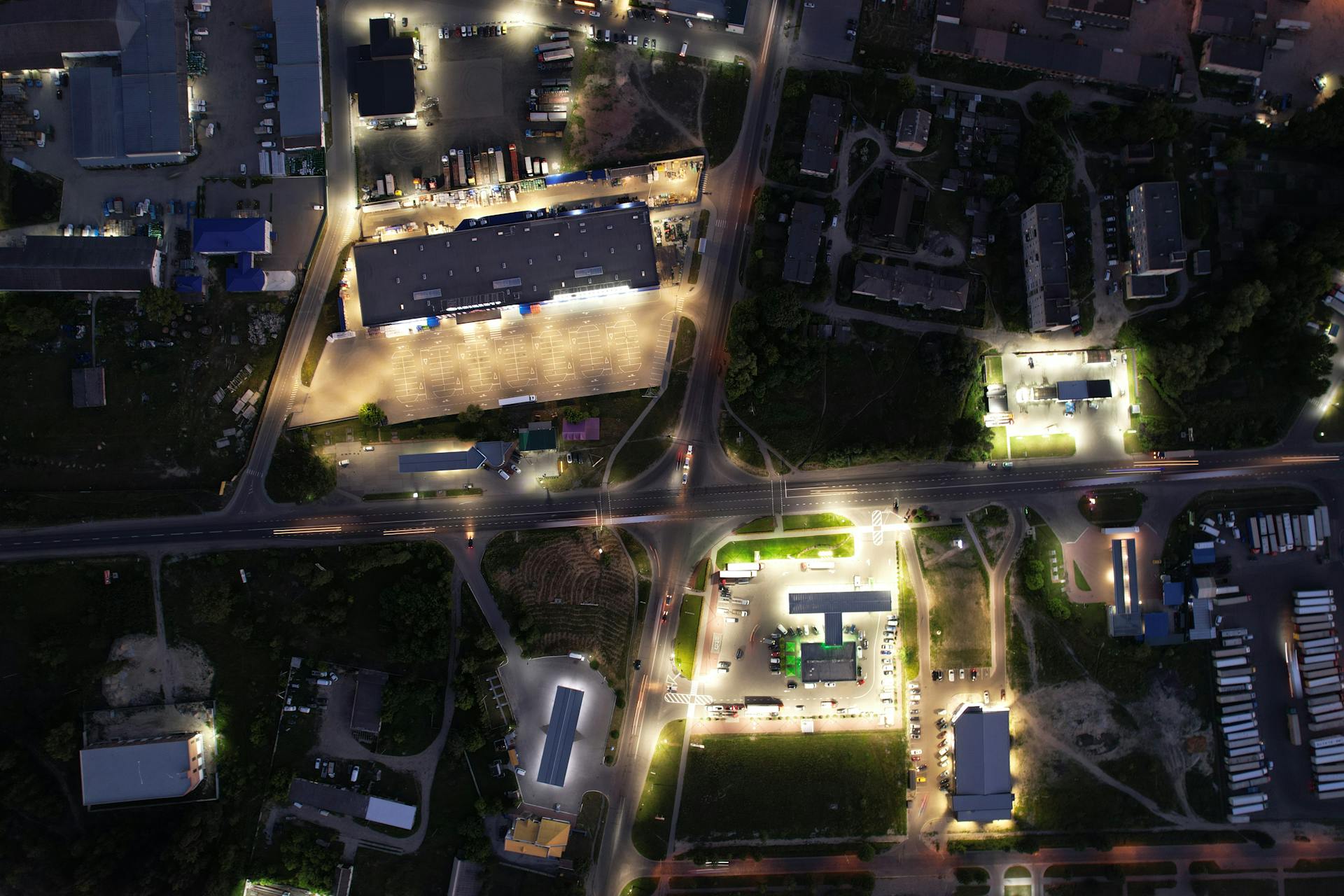
Substation capacity is uneven across Kyiv. Western districts often show spare megawatts that eastern industrial zones lack after wartime grid damage. As a result, several machine vision and language model companies have relocated entire floors into renovated warehouses that sit closer to stable transmission lines. The pattern appears clearly in the Kyiv Real Estate Market Outlook for 2026, which tracks absorption by submarket.
Developers responding to this shift now publish real-time load figures rather than glossy brochures. Prospective tenants download the data the same way they download an API specification, then decide whether the building can host their next cluster of graphics processing units.
Talent Density Turns Certain Streets Into Campuses
Engineers want to walk between code reviews, coffee, and late trains without long taxi rides. That preference concentrates demand along a handful of corridors where residential stock, coworking spill-over space, and metro access already exist. The Shevchenkivskyi Corridor Deep Dive: Culture, Capital, and Recovery documents how cultural institutions and tech offices now share the same blocks, reinforcing the cluster effect.
Returnees from abroad amplify the pattern. Many bring remote contracts with global firms yet still prefer a physical desk three days a week. Their arrival is tracked in the piece Diaspora Return Wave Drives New Demand in Podil, which shows Podil offices filling faster than average once the first wave of dual-passport engineers settled nearby.
Landlords Race to Certify Uptime Instead of Prestige
Older prestige certificates still hang in lobbies, yet leasing teams now wave independent power and connectivity audits instead. A building that can demonstrate 99.9 percent availability over the past twelve months commands a measurable premium. Those without the paper trail discount rents or lose the shortlist entirely.
International lenders watch the same metrics. Support programs listed on the EBRD Ukraine program page increasingly condition construction finance on documented resilience standards, so developers treat those audits as bankable assets rather than marketing extras.
National Macro Signals Quietly Shape Office Budgets
Currency stability and inflation forecasts influence how long a start-up is willing to lock a lease. Teams consult the latest releases from the National Bank of Ukraine before they size expansion floors. When the hryvnia path looks calmer, three-year terms replace short flexible deals; when volatility rises, tenants demand exit ramps at month 18.
Reconstruction funding also matters. Public updates on the Ukraine recovery portal signal which districts will receive grid upgrades first. Office users track those maps because a substation rebuild next door can unlock another 2 MW of capacity and suddenly make an adjacent building viable for denser compute loads.
Global Lenders and Local Product Studios Share the Same Spreadsheets
World Bank project pipelines and IMF program reviews rarely mention square meters, yet they shape the cost of capital that funds both landlord fit-outs and tenant growth. Analysts at the World Bank Ukraine country program and the IMF Ukraine country analysis pages publish numbers that local CFOs plug into their burn-rate models. When those reports improve, more series A companies sign for 800 m² instead of 300 m².
Foundation tracks the resulting absorption figures in the Market Trends archive so readers can compare quarter-by-quarter shifts without digging through raw filings. Practical questions about lease language, power audits, or neighborhood choice are answered in the FAQ (frequently asked questions) section, while longer field notes appear regularly on the Blog. All of this sits inside the wider Foundation platform that connects market data to on-the-ground advisory work.
The net effect is already visible on the ground: vacant floors once marketed to law firms now host rows of workstations and humming racks, and the landlords who adapted first are fully leased while others still wait for a general recovery that may never return in its old form.
See also Foundation platform.
Readers comparing notes on Tech and AI Tenant Demand Reshaping Kyiv Office Space in Ukraine should keep one dated source list and one named owner for updates so the next review of Tech and AI Tenant Demand Reshaping Kyiv Office Space does not restart definitions. Article reference ukraine-152.
If two teams disagree about Tech and AI Tenant Demand Reshaping Kyiv Office Space, write the disagreement in one paragraph with the evidence each side trusts before any money language expands around Tech and AI Tenant Demand Reshaping Kyiv Office Space. Article reference ukraine-152.
A short refusal note for Tech and AI Tenant Demand Reshaping Kyiv Office Space should say what was parked, why it was parked, and who can reopen the file on Tech and AI Tenant Demand Reshaping Kyiv Office Space after new facts arrive in Ukraine. Article reference ukraine-152.
Readers comparing notes on Tech and AI Tenant Demand Reshaping Kyiv Office Space in Ukraine should keep one dated source list and one named owner for updates so the next review of Tech and AI Tenant Demand Reshaping Kyiv Office Space does not restart definitions. Article reference ukraine-152.
Related Foundation reading: EU Accession Timeline and Its Effect on Ukrainian Property Values and Logistics Broker Network Reliability: Metrics That Move Headlines.
Timeless Value. Perpetual Legacy.