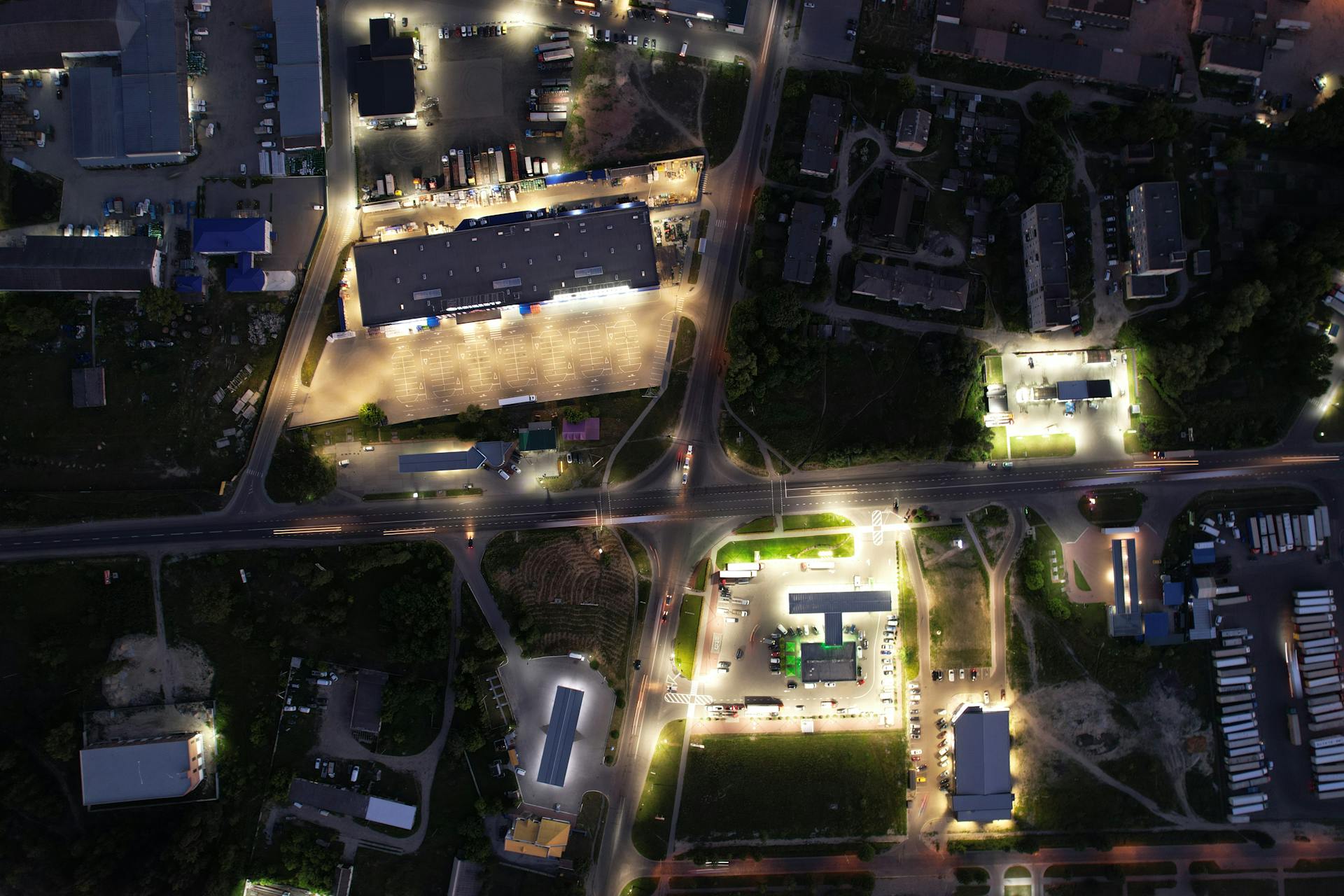
Reconstruction across Ukraine does not unfold in tidy twelve-month chapters. Money, labor, and materials arrive in bursts that often last only a few seasons. Learning to read the reconstruction market short cycles therefore means treating each half-year as its own living picture rather than waiting for a full annual report that will already be outdated.
Why Six-Month Windows Outperform Year-Long Forecasts
A twelve-month projection smooths away the very jolts that decide who wins contracts and who sits idle. In Ukraine those jolts include winter logistics freezes, spring donor disbursements, and summer labor migrations. By splitting the year into two equal windows you catch the moment when a highway contractor suddenly finds asphalt stockpiles, or when a housing developer discovers that rebar prices have dropped after a large international tender. The shorter frame also matches how most Ukrainian municipalities actually publish payment schedules. Once you accept that the reconstruction market short cycles run closer to 180 days than 365, your questions become sharper: which projects are funded right now, and which are still waiting for the next tranche.
Official numbers from the World Bank Ukraine country program often appear quarterly, yet the practical absorption of those funds happens in shorter waves. Matching your own observations to those waves keeps you from mistaking a temporary pause for a permanent stop.
Signals That Flip Between April and October
Watch the difference between late spring and early autumn. In April many local councils unlock residual budget lines left from the previous fiscal year. Equipment dealers report higher sales of excavators and mobile concrete plants. By October the same dealers see inventory rise again because winter work slows and remaining funds are reserved for emergency repairs rather than new starts. Tracking these flips does not require secret data. Public tender portals list opening dates, and warehouse managers will often share approximate lead times if you ask politely. When the April surge appears three weeks late, you already know the October slowdown will stretch longer. That single observation can protect a small subcontractor from over-ordering cement that will sit unused until the next cycle.
Readers who want deeper neighborhood context can consult A Deep Dive Into Podil's Reconstruction Corridor for a living example of how one historic district absorbs and then pauses capital in successive half-years.
Cash Arrivals and Material Bottlenecks Inside Each Half
Money rarely lands on the same day materials become available. International grants announced in March may clear Ukrainian banking channels only in May, while steel coils ordered in February sit at the Polish border until June. The reconstruction market short cycles therefore contain two overlapping clocks: the finance clock and the logistics clock. When they fall out of sync, prices spike or projects stall. Keeping a simple notebook of announced disbursement dates next to actual delivery notices reveals the lag. Over two or three half-year periods that lag becomes predictable, and predictability is the closest thing to an edge most independent observers will ever hold.
The IMF Ukraine country analysis regularly flags macro risks that feed directly into these lags, such as currency pressures that delay import clearances. Cross-checking their public notes against your own material-arrival diary turns abstract macro language into concrete timing advice.
Permit Waves and the Echo They Create Six Months Later
Municipal planning offices do not issue reconstruction permits at a steady drip. They often batch approvals after political or technical committees meet. A dense cluster of permits in May can produce a construction boom that peaks in November, once designs are finalized and crews are hired. Missing that batch means you also miss the later echo. In practice this looks like empty scaffolding yards in June followed by frantic hiring ads in September. Recording the size of each permit wave, not just its existence, lets you estimate the scale of the echo before it arrives.
Suburban corridors sometimes lag urban cores by one full cycle. The pattern is visible in Brovary's Suburban Growth Alongside Kyiv's Recovery, where housing starts trail central Kyiv approvals by roughly five to seven months. Observing that lag across successive halves teaches you whether capital is spreading outward or remaining concentrated.
Comparing Rebuild Pockets Across Consecutive Seasons
Not every district moves at the same tempo. One neighborhood may finish debris clearance while another still waits for utility reconnection. Mapping three or four such pockets and revisiting them every six months reveals which local governments convert money into visible progress fastest. The comparison needs no fancy software: a phone camera, a dated notebook, and a willingness to walk the same streets twice a year are enough. Over time you will notice that pockets with clear land titles and functioning municipal payment systems absorb successive cycles more smoothly. Those same pockets also attract secondary private investment sooner, because risk looks lower when the public half of the work is already moving.
For a broader capital-city view, the Kyiv Real Estate Market Outlook for 2026 places these micro-observations inside a longer horizon, helping you judge whether a current six-month surge is likely to continue or reverse.
Timing Private Capital When Public Cycles Compress
Private developers and equipment lessors face a choice each half-year: expand capacity now or wait for clearer signals. The reconstruction market short cycles reward those who act just after a public funding wave has been confirmed but before every competitor has mobilized. Waiting until the wave is already visible on the street usually means higher rental rates for cranes and scarcer skilled crews. Acting too early, before the money is actually in municipal accounts, risks idle assets. The sweet spot is narrow and moves. Watching the sequence of donor announcements, treasury transfers, and first tender awards compresses the uncertainty. International partners such as the EBRD Ukraine program publish project pipelines that often foreshadow the next municipal tender wave by several weeks, giving attentive private actors a usable head start.
Building a Lightweight Scorecard You Can Update Twice a Year
Complex dashboards collapse under incomplete data. A better tool is a one-page scorecard with five columns: announced public funds, actual cash received, material delivery lag in days, permit volume, and visible crew activity. Fill it at the end of March and again at the end of September. After two or three updates the pattern of the reconstruction market short cycles becomes personal rather than abstract. You stop relying on second-hand optimism and start trusting your own sequence of observations. When an unexpected shock hits, you already know which indicators historically move first and can recalibrate quickly.
Anyone who wants more background reading can browse the Market Trends archive for earlier half-year snapshots, or visit the FAQ (frequently asked questions) page for plain answers on how Foundation gathers and checks local data. Additional commentary appears regularly on the Blog, and the wider toolset is available through the Foundation platform.
Reading the reconstruction market six months at a time is less about prediction and more about disciplined noticing. Each half-year leaves clear footprints in cash, concrete, and crew lists. Collect those footprints twice a year and the larger story of Ukraine’s rebuild becomes readable long before the next annual report is printed.
Related Foundation reading: New Currency Controls Ease Repatriation of Investment Profits and Women Founder Networks in Ukraine: What New Guidance Changes for Marke.
Timeless Value. Perpetual Legacy.