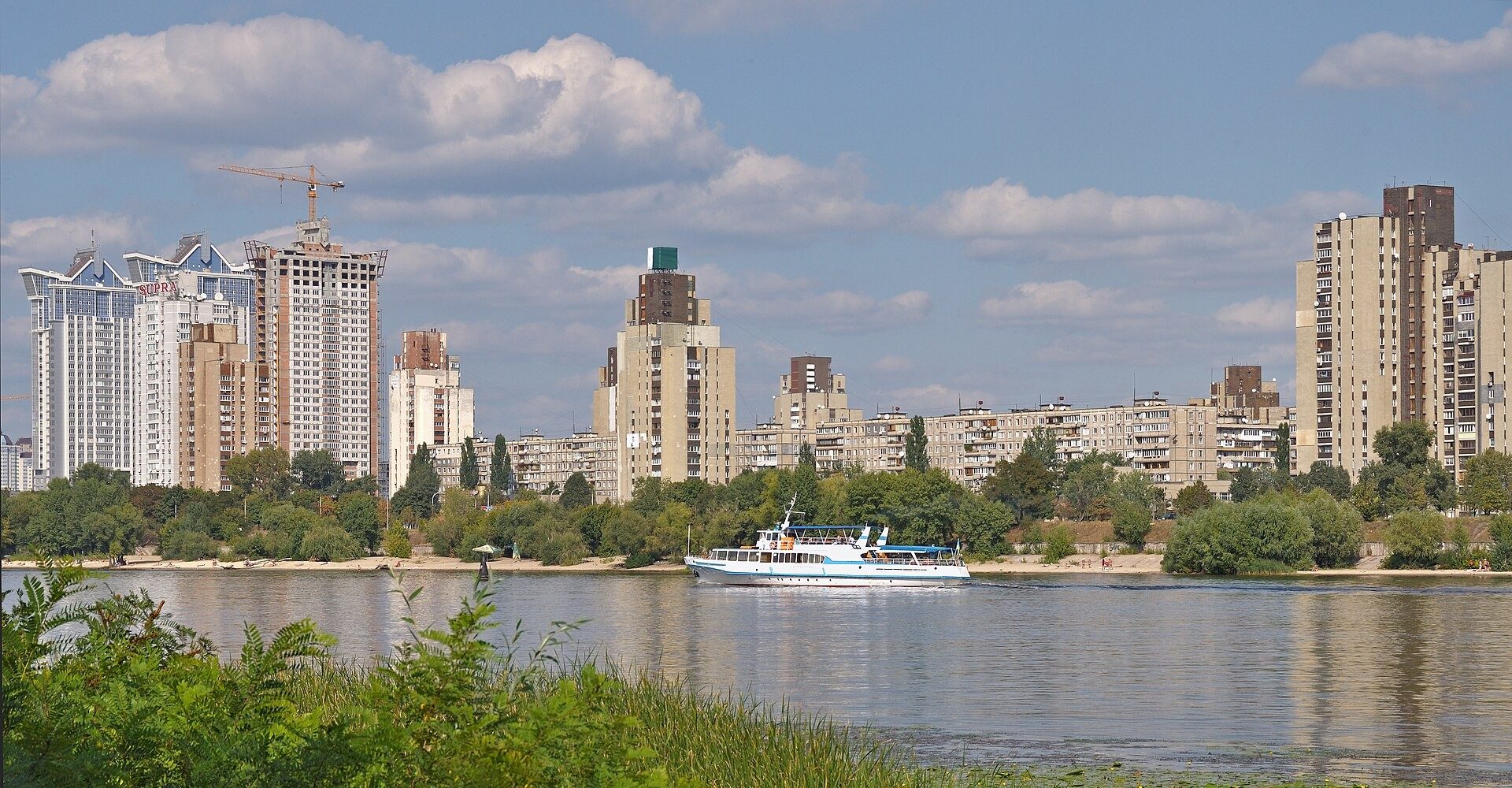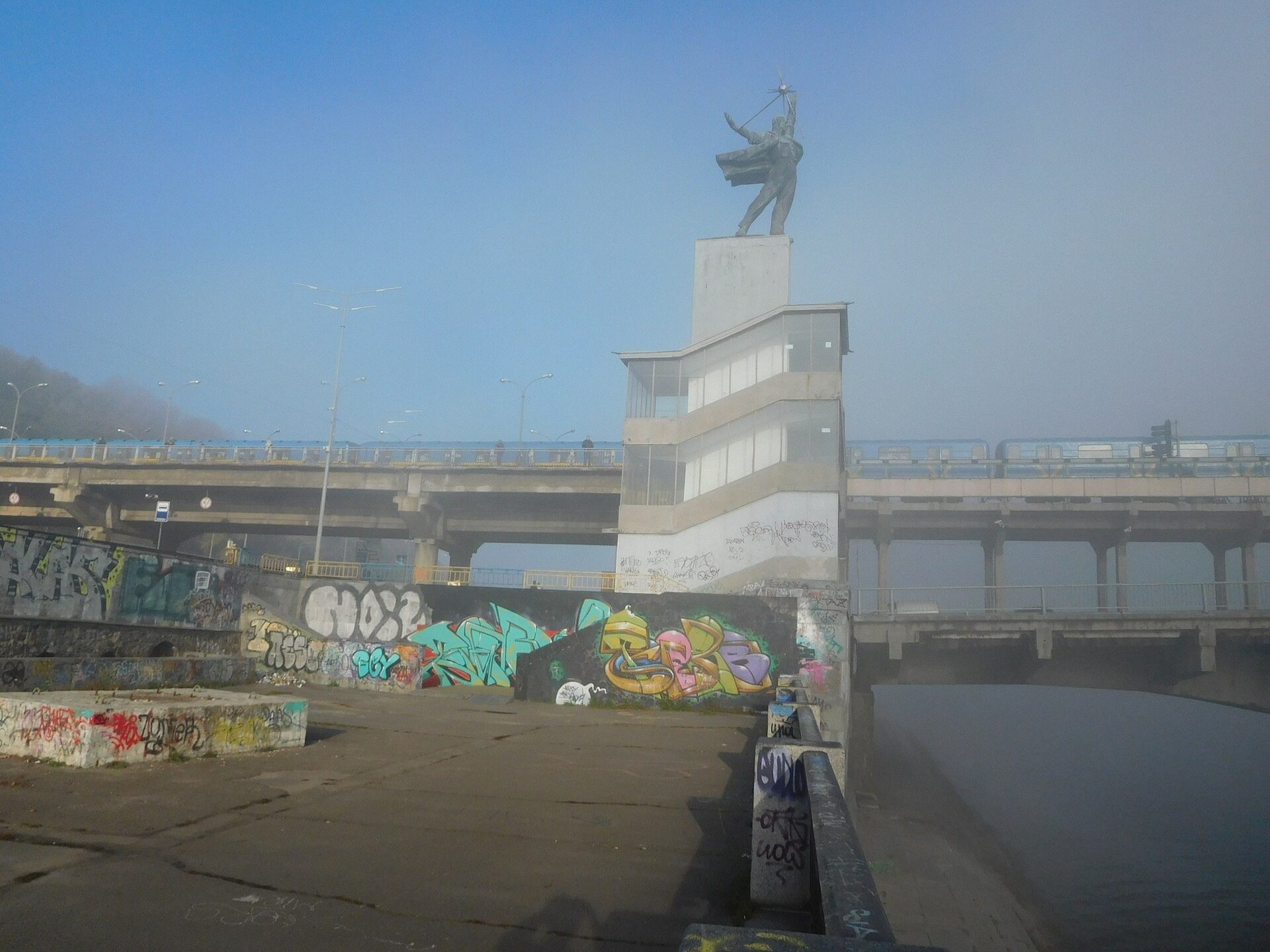
Podil sits on Kyiv’s lower terrace beside the Dnipro, a district of bars, markets, and hillside streets that absorbed heavy damage yet never emptied completely. A reconstruction corridor now runs through its core, stitching river quays, tram lines, and commercial blocks into a single recovery zone. This podil corridor deep dive unpacks what that strip actually contains, who pays for the work, and how ordinary residents feel the change month by month.
Visitors once treated Podil as the city’s casual living room. Shelling and power cuts forced a harder identity: half workshop, half construction site. Scaffolding now marks the edges of the corridor more clearly than any map, and the pace of repair sets the tone for rents, shop openings, and daily movement.
The Shape of Podil's Rebuild Strip Along the Dnipro
The corridor begins near the river port and climbs toward the upper plateau, covering roughly three kilometers of mixed fabric. Low-rise brick warehouses stand beside Soviet-era apartment houses and newer glass façades that arrived just before the full-scale invasion. Engineers treat the zone as a continuous spine because water, heat, and transit networks share the same trenches. Repair one utility run and three streets benefit at once.
Municipal planners published early sketches on the Ukraine recovery portal, showing priority blocks along the lower embankment first. Those documents emphasize flood resilience and pedestrian width rather than luxury height. The choice keeps the skyline modest and protects sightlines to the hills that define Podil’s character.
Cranes Over Kontraktova and the Streets That Lead Downhill
Kontraktova Square remains the visual heart. Around it, crane masts rise above market halls and student hostels. Tram tracks that once rattled tourists now carry workers and building materials. Side lanes that slope toward the water receive temporary decking so concrete mixers can pass without crushing old cobbles. Every temporary surface is logged so permanent paving can follow without double excavation.
Local contractors rotate crews in twelve-hour shifts when power is stable. Night work is common because daytime traffic still packs the square. Residents hang laundry on balconies next to scaffolding nets, treating the noise as background rather than crisis. The rhythm feels ordinary again, only louder.
Concrete, Brick, and the Mix of Restored Facades
Many walls survived with cracked plaster and scorched timber frames. Craftspeople strip those surfaces carefully, saving original brick whenever load tests allow. Fresh concrete appears mainly in basements and elevator shafts where structural integrity was lost. The mix is deliberate: too much modern material would erase the district’s texture; too little would leave buildings unsafe for winter.
Material supply chains still run through western corridors and the Black Sea ports when open. Delivery delays push some façades into temporary cladding that looks rough but keeps interiors dry. Owners accept the unfinished look because occupancy matters more than polish in the first seasons after repair.
Money Paths That Reach Local Builders First
International lenders channel funds through Ukrainian banks and municipal agencies rather than foreign general contractors alone. The EBRD Ukraine program has backed several tranche agreements that prioritize small and medium firms registered in Kyiv. Local crews therefore handle most finish work and interior fit-outs, keeping wages inside the city.
Currency stability remains a daily concern. Reports from the National Bank of Ukraine show improved foreign-exchange buffers that help importers of steel and insulation. When the hryvnia holds, material orders placed in spring still arrive before autumn rains. That predictability shortens each phase of corridor work.
Larger macroeconomic assessments appear in the IMF Ukraine country analysis, which tracks how reconstruction spending feeds overall demand. For Podil residents the numbers translate into payrolls at neighborhood firms rather than distant headquarters. A carpenter on Nyzhnii Val feels the effect long before a statistician does.
Comparing the Stretch to Nearby Districts Like Pechersk
Pechersk sits higher and closer to ministries, so its rebuild path favors premium offices and secure housing. Podil’s corridor stays more commercial and residential in equal measure. Readers seeking a side-by-side view can study the Pechersk Corridor Deep Dive: Government Proximity and Prime Rents for contrast. The two zones share some contractors yet attract different tenant profiles.
Citywide forecasts appear in the Kyiv Real Estate Market Outlook for 2026, which places Podil’s mid-tier pricing between Pechersk’s top rents and more distant residential belts. That middle position draws families who want walkable streets without embassy-level costs. Shopkeepers notice the difference in evening foot traffic: longer stays, more modest receipts, steadier weekends.
People Moving Back and the Pressure on Rents
Return migration is visible in the queues for renovated walk-ups near the river. The article Diaspora Return Wave Drives New Demand in Podil documents how former residents reclaim flats once left with relatives or empty. Many bring remote-work salaries, which lifts asking rents faster than local wages alone would allow. Landlords respond by finishing kitchens and bathrooms first so units can list sooner.
Long-term tenants worry about displacement. Some negotiate multi-year contracts with modest annual increases. Others share larger apartments with extended family until new supply opens further along the corridor. Community groups post notices in courtyards listing vacant rooms and fair price ranges, trying to keep negotiation transparent.
Gaps Still Visible Between Plans and Finished Work
Not every block advances at the same speed. Utility connections lag in places where wartime damage buried pipes under collapsed basements. Temporary generators still hum behind some cafés. Pedestrian bridges over deep excavations force detours that feel permanent until the next inspection cycle. These unfinished stretches remind walkers that recovery is a process of successive patches rather than a single ribbon-cutting.
Oversight teams from the World Bank Ukraine country program review disbursement against physical progress. Their findings help municipal offices reallocate crews to bottlenecks. Residents can track high-level milestones through open dashboards, though street-level reality always trails the charts by several months.
Reading the Signals for the Years Ahead
Investors watching the corridor look for three practical signs: consistent power to construction sites, steady material arrivals, and shop fronts that stay lit after dark. When those three hold for a full season, confidence rises. The broader set of district studies lives in the Market Trends archive, where successive updates show how Podil’s numbers move relative to the rest of Kyiv.
Anyone still weighing a lease or a small purchase can start with the FAQ (frequently asked questions) section for plain-language notes on title checks and insurance. Deeper commentary appears regularly on the Blog, written for readers who want context without jargon. Tools and listings for the full recovery effort sit on the Foundation platform, which gathers municipal data and private offers in one place.
Podil’s reconstruction corridor will not look finished next year or the year after. It will look livable, busy, and increasingly solid. That outcome already matters more to the people who climb its hills every day than any polished render ever could.
See also Foundation platform.
Readers comparing notes on A Deep Dive Into Podil s Reconstruction Corridor in Ukraine should keep one dated source list and one named owner for updates so the next review of A Deep Dive Into Podil s Reconstruction Corridor does not restart definitions. Article reference ukraine-146.
Related Foundation reading: Obolon Corridor Deep Dive: Riverfront Recovery in Detail and EU Border Queue Data for Freight: Migration and Talent Corridor Lens.
Timeless Value. Perpetual Legacy.