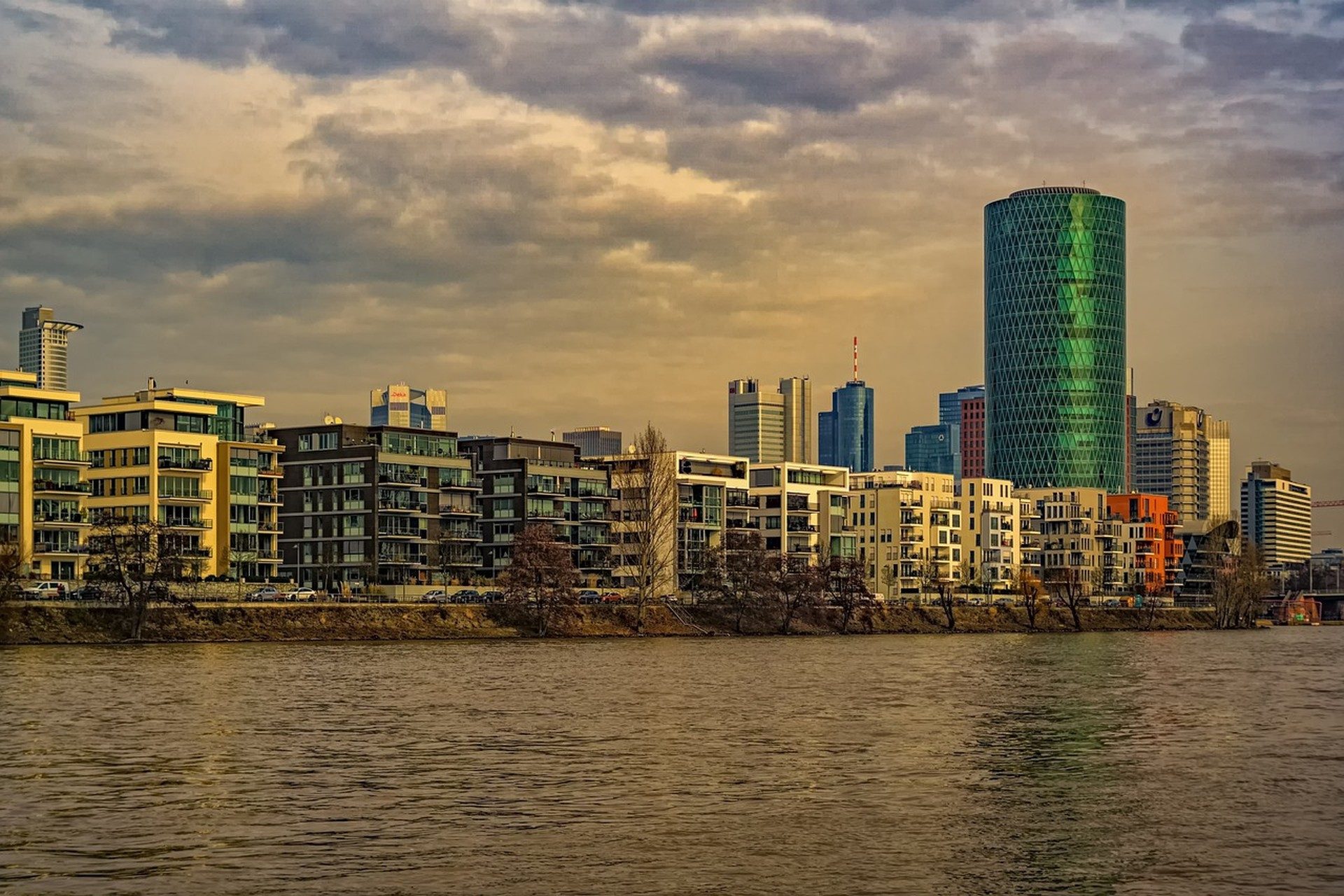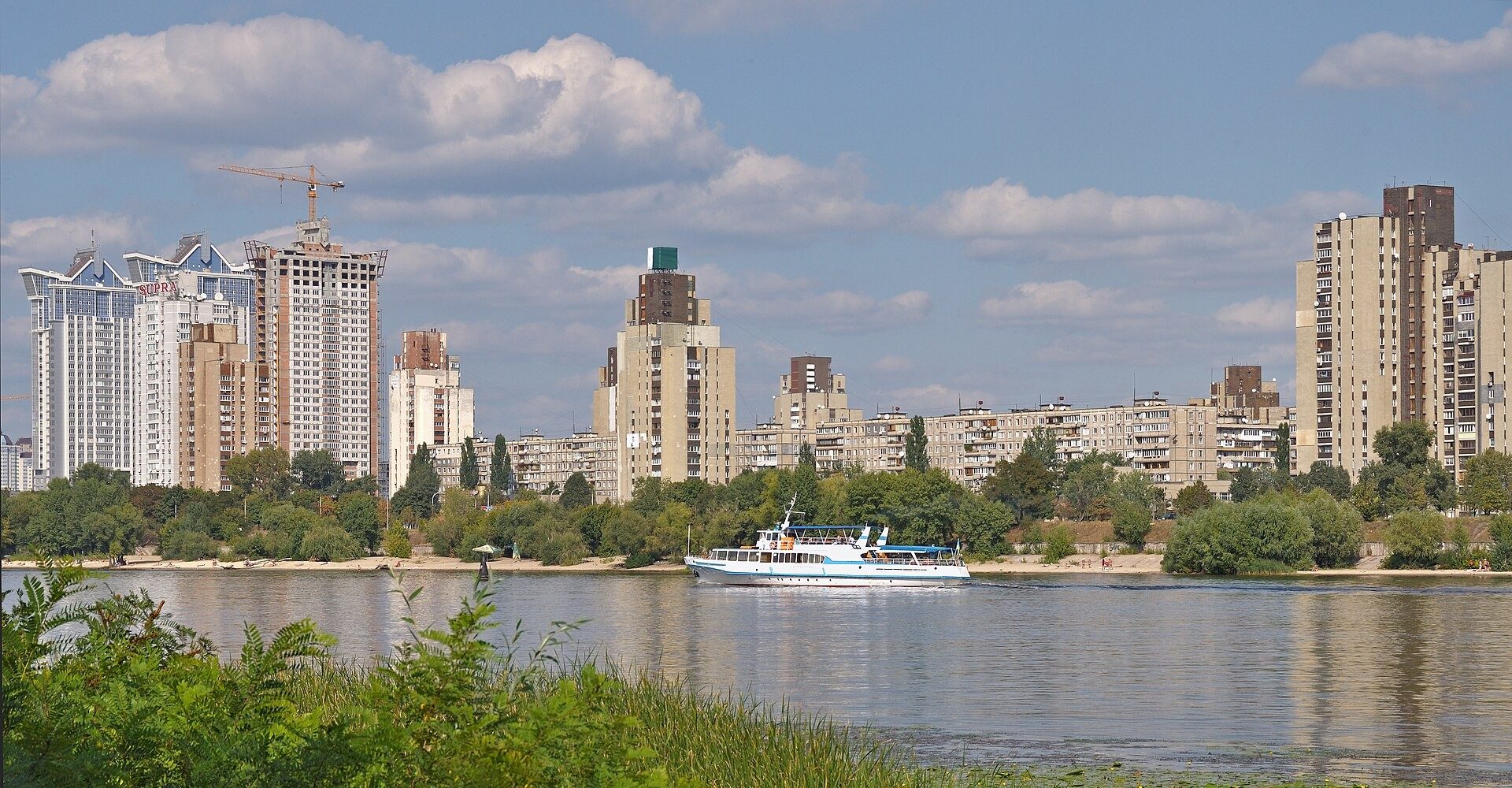
The Shevchenkivskyi corridor stretches through central Kyiv with a character unlike any other stretch of the capital. Named for the poet Taras Shevchenko, this zone mixes universities, theaters, parks, and residential blocks that have long drawn people who value density and culture in equal measure. This deep dive examines how culture, capital, and recovery now interact along these streets, giving readers a grounded view of what makes the area matter in 2024 and beyond.
Tracing Cultural Roots Through Shevchenkivskyi Streets
Visitors and residents alike notice the density of museums, galleries, and performance spaces that line avenues near the university quarter. These institutions did not appear by accident. Generations of writers, actors, and scholars treated this part of Kyiv as a natural gathering place, and the buildings that house them still carry that memory. Walking past the National Opera or the smaller chamber halls, one sees facades that survived decades of change while remaining open to new audiences. Culture here functions as daily life rather than a weekend event, which shapes how people choose apartments and how shopkeepers design their windows. The corridor’s identity rests on this continuous thread of artistic and intellectual activity that outlasted political shifts and physical damage. Local libraries and street festivals keep that thread visible even when larger events pause. For anyone seeking to understand why prices and foot traffic stay resilient, the cultural layer provides the first clue.
Preservation work continues on several landmarks that suffered during recent years of conflict. Craftspeople repair plaster, restore stained glass, and document original details so that future generations inherit more than empty shells. These efforts receive attention from both municipal teams and private donors who see cultural continuity as essential to civic morale. When a restored theater reopens, the surrounding cafes and bookstores feel the rebound in patrons within days. That feedback loop between art and commerce is hard to measure yet easy to observe on any busy evening.
Where Capital Meets Historic Blocks in Central Kyiv
Money moves through Shevchenkivskyi in ways that differ from outer districts. Investors look for solid structures that already command respect rather than empty plots waiting for towers. Renovations of pre-war apartments often retain high ceilings and thick walls while adding modern systems for heating and security. The resulting homes appeal to professionals who work nearby and to families who want walkable schools. Capital also flows into mixed-use buildings that keep ground floors commercial and upper floors residential, preserving street life after dark. This pattern of careful reuse keeps the skyline human-scaled and avoids the abrupt towers seen elsewhere. Readers tracking broader patterns can consult the Kyiv Real Estate Market Outlook for 2026 for citywide context that places the corridor in a larger frame.
Banks and private funds evaluate risk differently here because the location already carries prestige. A solid address near Taras Shevchenko Park or the university reduces marketing costs for any new project. The National Bank of Ukraine publishes data on lending volumes that show steady interest in central renovations even during uncertain months. Those figures help outsiders grasp why capital continues to seek out this corridor rather than chasing only the newest greenfield sites far from the center.
Recovery Efforts Reweaving the Urban Fabric
Physical recovery along the corridor focuses on practical repairs that let people live and work without constant interruption. Utility lines, sidewalks, and public transport stops receive priority so that daily movement stays reliable. The Ukraine recovery portal lists many of these projects and shows how national and local budgets combine with international support. Window replacements, roof patches, and elevator upgrades appear modest on paper yet transform the comfort of hundreds of households. Recovery also means restoring parks so that children and elders regain safe outdoor space. Each completed block creates a visible sign that life continues and that investment remains rational.
International partners contribute technical advice and financing that complements Ukrainian budgets. The World Bank Ukraine country program supports infrastructure upgrades that reach into central districts, including portions of Shevchenkivskyi. These programs emphasize transparency and local hiring so that money spent rebuilds skills as well as structures. Residents notice improved lighting and safer pedestrian crossings first, then the quieter benefits of better water pressure and heating reliability. The cumulative effect rebuilds confidence that the corridor will keep its place as a desirable address for decades.
Neighborhood Voices on Life After Upheaval
People who stayed or returned speak of small rituals that reassert normalcy. Morning coffee at the same corner cafe, evening strolls past the university gates, and weekend markets that fill again with produce all signal recovery in personal terms. Many note that cultural events returned faster than expected once basic services stabilized. Theater seasons, outdoor concerts, and student exhibitions bring crowds that support nearby restaurants and shops. These voices rarely appear in dry market reports yet they explain why demand for apartments stays firm. A family that reclaimed its flat near the botanical garden often becomes a quiet advocate for the district, inviting relatives and friends to visit and sometimes to buy nearby.
Stories of return also link to other parts of the city. Some households that left for western Ukraine or abroad later chose Shevchenkivskyi because of its transport links and cultural amenities, creating patterns that echo the Diaspora Return Wave Drives New Demand in Podil. The comparison shows how several central pockets compete and cooperate at the same time. Shared experiences of disruption create a sense of common purpose that softens competition into mutual encouragement. Neighbors trade tips on reliable contractors and celebrate each reopened bakery as a shared win.
Finance Tools Supporting Local Rebuild Projects
Small and mid-sized developers rely on a mix of bank credit, private equity, and occasional grant support to finish renovations. Transparent title records and clear zoning reduce friction and attract cautious capital that might otherwise wait. Property managers report that well-located units lease or sell more quickly when renovations respect the original architectural language. Energy efficiency upgrades, such as better insulation and modern boilers, lower running costs and appeal to buyers who plan long ownership. These practical advantages convert cultural prestige into measurable financial performance. Observers who want deeper background can browse the Market Trends archive for earlier pieces that track similar corridors over time.
Risk assessment has grown more sophisticated. Insurance products adapted to current realities, phased construction schedules, and escrow arrangements all help parties move forward with less anxiety. The result is a steady pipeline of modest projects rather than a few oversized ones that could overwhelm infrastructure. This measured pace matches the corridor’s historic character and avoids the boom-bust cycles that damaged other cities after conflict. Capital here prefers durability over spectacle, which aligns well with long-term residents who value predictability.
Contrasts with Other Kyiv Growth Axes
Shevchenkivskyi differs sharply from left-bank expansion zones that emphasize new high-rises and shopping centers. While those areas attract families seeking larger floor plans and parking, the corridor under discussion thrives on walkability and cultural density. A useful counterpoint appears in the Left Bank Corridor Deep Dive: Rusanivka and Pozniaky in Focus, which describes a different set of advantages and challenges. Comparing the two helps readers see that Kyiv offers multiple legitimate strategies for living and investing rather than a single formula. Central prestige and left-bank space can coexist, each serving distinct preferences.
Transport links further distinguish the corridor. Metro stations, trolleybus routes, and short walks to major institutions reduce car dependence and lower the cost of daily life. Younger professionals and empty-nesters often choose the area precisely for that freedom. Older buildings require more maintenance, yet many owners accept the trade-off for the location premium. The contrast teaches that recovery and growth need not follow identical blueprints across every district. City planners who respect these differences produce more livable outcomes overall.
Practical Insights for Curious Observers
Anyone interested in following developments can start with open sources and public calendars of cultural events. Walking the streets at different hours reveals how commerce, education, and leisure interweave. Conversations with long-time residents often uncover details that official reports miss. For structured answers to common questions, the site maintains an FAQ (frequently asked questions) page that covers property, recovery, and market basics. Additional commentary and field notes appear regularly on the Blog, offering shorter updates that complement deeper analyses like this one. Readers who want a broader platform view can explore the Foundation platform for related materials across the region.
Observation rewards patience. Scaffolding comes down, a new bookstore opens, and a previously dark courtyard fills with string lights for a summer festival. Each small sign confirms that culture, capital, and recovery reinforce one another rather than compete. The Shevchenkivskyi corridor does not need reinvention; it needs careful stewardship that honors its past while allowing necessary modern improvements. Those who study it carefully gain insight into how a city rebuilds not only its walls but also its sense of shared place. That dual recovery, physical and social, remains the most valuable story the corridor tells today.
Related Foundation reading: Obolon Corridor Deep Dive: Riverfront Recovery in Detail.
Timeless Value. Perpetual Legacy.