Troieshchyna stretches across the left bank of Kyiv as one of the city's largest residential districts, long treated as distant even by people who lived inside the capital. Its apartment blocks, markets, and riverside paths never vanished from daily maps, yet for years the area sat outside the conversation that shaped investment and prestige. The phrase troieshchyna recovery now appears in local talk because distance, infrastructure, and wartime scars have begun to meet new money and new policy. This piece walks through that slow turn without jargon or slogans.
A District Built for Numbers, Not Prestige
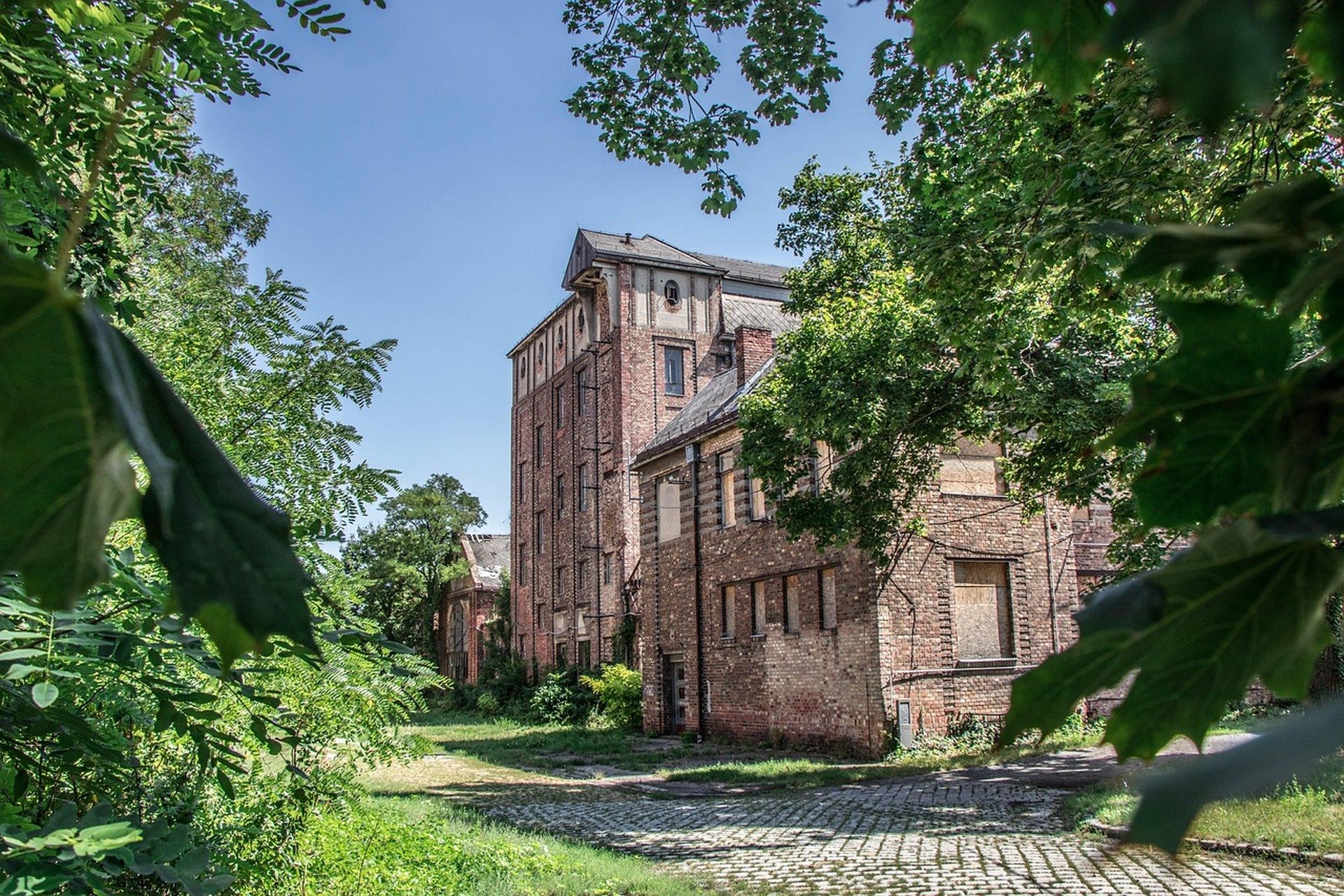
Soviet planners laid out Troieshchyna to house tens of thousands quickly. Wide avenues, prefabricated towers, and self-contained services filled the space between the Desna River and the city's northeastern edge. Families moved in because apartments were available, not because the district glittered. Over decades the same layout that once looked efficient started to feel remote. Metro lines stopped short. Office towers stayed on the right bank. Young professionals who could choose often chose elsewhere. That history of scale without status still shapes how outsiders talk about the place today.
Residents, however, kept ordinary life running. Schools filled, small shops thrived, and the open-air markets remained among the liveliest in Kyiv. The gap between lived density and perceived value is the first fact any recovery story must face.
When Shelling and Blackouts Redrew Daily Routes
Full-scale invasion brought air alerts, power cuts, and damaged utilities that hit left-bank districts hard. Some residents left for safer regions or abroad; others stayed and adapted. Basement shelters, shared generators, and volunteer delivery networks became temporary infrastructure. The physical scars remain uneven: certain residential blocks and utility nodes need major repair while neighboring streets look almost untouched. Understanding troieshchyna recovery therefore means separating visible destruction from the quieter erosion of confidence that follows months of interrupted services.
Official tallies and local reports both show that return has been selective. Families with school-age children and elders often came back first when heat and water stabilized. That pattern matches broader city data examined in What Selective Return Data Tells Us About Kyiv's Recovery Curve. Numbers alone do not restore a sense of safety, yet each reopened clinic and repaired boiler house makes the next return easier.
Bridges, Roads, and the Missing Metro Extension
Geography still defines the district more than any single building. The Desna and Dnipro create natural barriers that few bridges fully overcome. Morning traffic toward the city center routinely bottlenecks, and evening reverse flows do the same. A long-promised metro extension has remained on paper through multiple administrations. Without faster mass transit, even renovated apartments struggle to compete with neighborhoods that already sit on existing lines.
Road upgrades and new river crossings appear in municipal plans, yet timelines slip. Residents notice every pothole repair and every delayed tender. Reliable transport is not a luxury here; it is the practical test of whether Troieshchyna can stop being the place people leave every morning and return to only at night.
Housing Prices That Still Reflect Distance
Secondary market apartments in Troieshchyna trade at clear discounts to central and right-bank stock. The gap reflects travel time, perceived risk, and thinner demand from higher-income buyers. At the same time, absolute prices have begun to firm in blocks that received new roofs, elevators, or energy-efficient windows. Investors watching the wider capital often consult the Kyiv Real Estate Market Outlook for 2026 to place these local movements in context. What matters for ordinary owners is whether the discount narrows enough to reward years of staying put.
Rental demand has also shifted. Internally displaced families and returning workers seek affordable space close to existing social networks. That demand supports occupancy even when purchase interest stays cautious. Clear title, functioning utilities, and honest building management matter more here than marble lobbies.
Public Money and Outside Capital Looking for Channels
National recovery programs list housing, energy, and transport among priority sectors. The Ukraine recovery portal publishes project pipelines that municipalities can enter. International partners add further layers. The World Bank Ukraine country program and the EBRD Ukraine program both finance infrastructure that can reach left-bank districts once local applications clear. European Union structural support is another potential stream; analysis of how those funds might reach property markets appears in How EU Structural Funds Could Flow Into Kyiv Real Estate.
None of this capital arrives automatically. District authorities must prepare transparent projects, and residents must keep pressure on timelines. Macroeconomic stability remains a precondition. Readers can track currency and banking conditions through the National Bank of Ukraine and broader fiscal assessments via the IMF Ukraine country analysis. When those institutions signal steadier ground, private developers and small landlords gain confidence to reinvest in older stock.
Everyday Markers Residents Actually Watch
People who never left measure progress by concrete details. Does the elevator work after the latest blackout? Has the nearest polyclinic restored full hours? Are playgrounds usable again? These questions sit far from national strategy documents yet decide whether families commit another year. Local markets overflowing on weekends and schoolyards full of children signal continuity more clearly than any glossy presentation.
Community groups have organized clean-ups, temporary heating points, and mutual aid that filled gaps left by formal services. That civic muscle is an asset the district already owns. External funding multiplies it only when it reaches the same streets where volunteers already operate.
Looking Past the Edge Without Forgetting It
Troieshchyna will not become the historic center, nor should it try. Its future value lies in reliable housing, better links, and honest pricing that matches real travel times. The long road back from the margins is therefore less about rebranding and more about closing the practical gap that made the area feel peripheral. Continued monitoring of city-wide patterns is available in the Market Trends archive, while practical questions about ownership, taxation, and procedures appear in the FAQ (frequently asked questions). Further commentary on related districts and policies can be found on the Blog.
For readers who want a single platform that tracks regional recovery projects and market signals together, the Foundation platform gathers updates without requiring specialized knowledge. Troieshchyna recovery will remain gradual, measured in repaired substations and shorter commute times rather than overnight transformation. Patience and precise local data remain the only reliable guides.
Readers comparing notes on Troieshchyna s Long Road Back From the Margins in Ukraine should keep one dated source list and one named owner for updates so the next review of Troieshchyna s Long Road Back From the Margins does not restart definitions. Article reference ukraine-071.
If two teams disagree about Troieshchyna s Long Road Back From the Margins, write the disagreement in one paragraph with the evidence each side trusts before any money language expands around Troieshchyna s Long Road Back From the Margins. Article reference ukraine-071.
A short refusal note for Troieshchyna s Long Road Back From the Margins should say what was parked, why it was parked, and who can reopen the file on Troieshchyna s Long Road Back From the Margins after new facts arrive in Ukraine. Article reference ukraine-071.
Related Foundation reading: Developer Unveils Plans for Landmark Mixed-Use Tower in Podil and Cross Border Legal Advisory Networks: Public Consultation Themes.
Timeless Value. Perpetual Legacy.