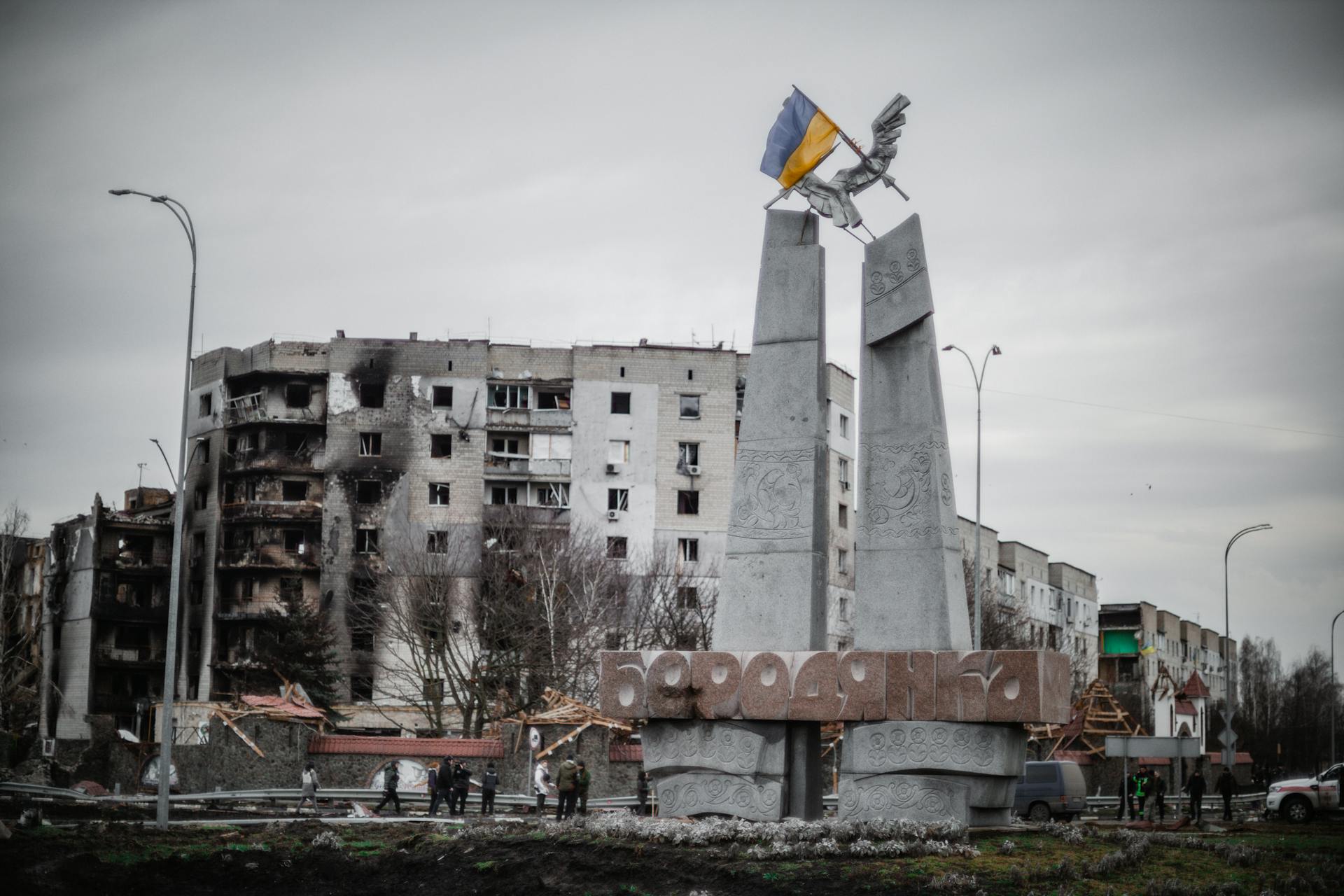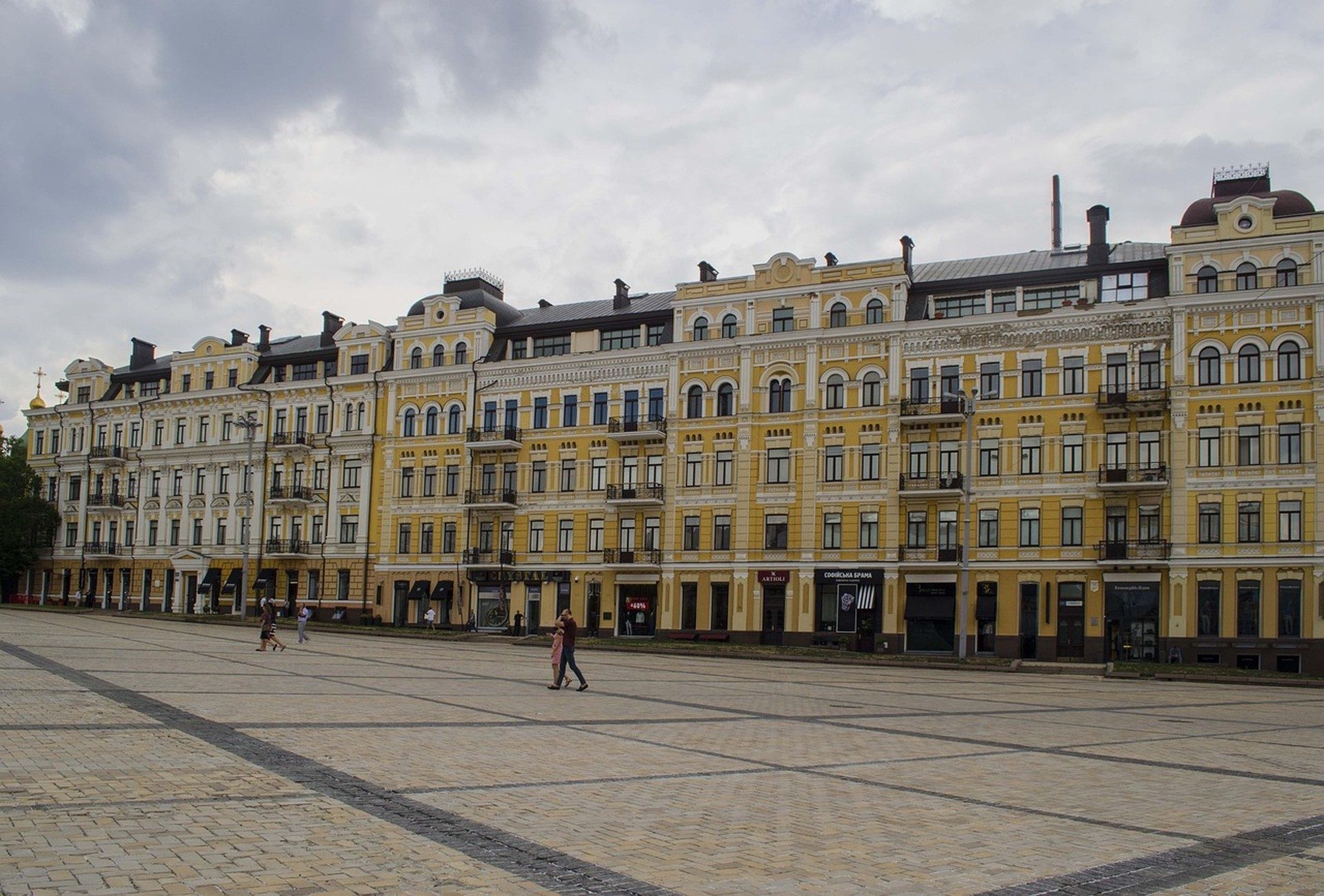
Reconstruction financing trends across Ukraine are shifting from emergency grants toward longer term capital that can actually build housing, power grids, and commercial space by 2026. Families, municipal officials, and smaller developers now watch not only the size of pledges but the conditions attached to each euro or dollar that arrives. Understanding those conditions helps ordinary buyers and investors judge which projects will finish on schedule and which may stall for lack of follow on money.
The year 2026 will not mark the end of recovery work, yet it will mark the first full season when multi year programs move from planning tables into ground breaking ceremonies. That transition already shapes land prices in Kyiv and secondary cities. Anyone following local property values can see early signals in the Kyiv Real Estate Market Outlook for 2026, where absorption rates begin to track financing availability more closely than raw construction costs.
Donor Pledges Moving From Paper to Payment Schedules
International partners have announced impressive headline figures since 2022, yet the speed of actual disbursement remains uneven. Large packages from the European Union, the United States, and Japan often require Ukrainian counterpart funding or detailed project lists before cash leaves the donor treasury. For 2026 planners this means some cities will receive steady quarterly transfers while others wait for missing documentation. Tracking those payment calendars is more useful than celebrating total pledge amounts.
Private citizens can monitor public dashboards and local council reports to see whether a promised bridge or school has secured its first tranche. When a tranche arrives late, contractors pause, suppliers demand prepayment, and finished apartments stay empty longer than expected. That lag already appears in certain western districts where early reconstruction started without full multi year backing.
Blended Capital Combining Grants With Soft Loans
Pure grants cannot cover every destroyed kilometer of road or every apartment block. Blended structures now mix a grant layer that covers the riskiest portion with a soft loan that must eventually be repaid at low interest. Municipalities that master these hybrid deals gain access to larger envelopes. Ordinary residents benefit when the grant portion keeps monthly service costs affordable for social housing tenants.
One practical example involves district heating upgrades: a grant pays for energy efficient boilers while a soft loan finances the distribution pipes. Homeowners later see lower utility bills rather than sudden tax spikes. Developers who learn to structure similar stacks for residential towers gain a competitive edge heading into 2026, especially when they reference guidance published by the World Bank Ukraine country program.
Private Lenders Reassessing Collateral Rules for Rebuild Projects
Ukrainian banks once demanded nearly full cash equity for any construction loan. New risk sharing facilities backed by international institutions now allow lenders to accept unfinished sites or future rental income as partial collateral. That change opens financing to mid size builders who previously could not compete with state owned giants. Buyers gain more choice of finished units rather than endless unfinished skeletons.
Still, private credit remains selective. Lenders prefer projects near existing infrastructure and with clear title. Neighborhoods that clear land records quickly attract the first wave of bank money. Readers seeking deeper background on how capital actually moves can explore the Market Trends archive for earlier case studies that remain relevant.
Currency and Inflation Signals Guiding Loan Tenors
Long term reconstruction loans only make sense when the hryvnia stays reasonably stable and inflation stays moderate. The National Bank of Ukraine publishes regular forecasts that developers and municipalities now treat as binding inputs for project models. A sudden spike in inflation can wipe out the affordability of a fifteen year soft loan overnight. Hence many 2026 term sheets already contain inflation linked adjustment clauses.
Households planning to buy an apartment with a mortgage should watch the same indicators. If the central bank signals tighter policy, fixed rate windows may close quickly. Checking the FAQ (frequently asked questions) page helps first time buyers understand how those macro signals translate into monthly payment changes.
Neighborhood Priorities Driving Where Money Lands First
Not every district receives equal attention. Areas with high population return rates, existing transport links, and cleared debris move to the front of financing queues. Western Kyiv districts such as Sviatoshyn illustrate the pattern: quieter streets, gradual return of families, and targeted infrastructure grants create a virtuous cycle. Early movers can study Sviatoshyn's Quiet Resurgence on Kyiv's Western Edge to see how local financing trends already affect apartment prices and rental yields.
City councils that publish transparent priority maps attract more co financing. Residents who attend public hearings and push for clear ranking criteria help their own streets rise on those maps. The process rewards communities that organize documentation rather than those that simply wait for top down allocation.
Green and Resilience Conditions Attached to Larger Packages
Most new credit lines now require energy efficiency standards, flood resistant design, or renewable power components. These conditions raise upfront costs yet lower lifetime operating expenses. Developers who treat the requirements as optional often lose the grant layer and face higher interest rates. Home buyers benefit when insulation and heat pumps are financed once rather than added later as expensive retrofits.
Technical assistance teams from international agencies train local engineers to meet the new codes without excessive delay. Projects that finish certification early unlock successive payment milestones faster. For a broader view of how European money interacts with local property markets, the analysis of How EU Structural Funds Could Flow Into Kyiv Real Estate remains useful even as programs evolve.
Local Banks Filling Gaps Between Multilateral Releases
Large international packages rarely match the exact cash flow needs of a single apartment complex. Ukrainian commercial banks step in with bridge loans that cover the gap until the next donor tranche arrives. These short bridges carry higher rates, yet they prevent construction stoppages that destroy value. Successful projects refinance the bridge once the cheaper multilateral funds land.
Borrowers who maintain clean payment histories with local banks gain preferred access to future bridges. That relationship capital becomes as valuable as physical collateral. The IMF Ukraine country analysis regularly notes the importance of domestic banking health for overall reconstruction speed, giving further reason for households to keep deposits and loans inside the formal system.
Readers who want ongoing commentary on these financing shifts can follow new pieces on the Blog or explore the full set of tools available through the Foundation platform. Clear information remains the cheapest form of risk reduction available to every participant in Ukraine’s recovery market.
Readers comparing notes on Reconstruction Financing Trends Shaping the 2026 Market in Ukraine should keep one dated source list and one named owner for updates so the next review of Reconstruction Financing Trends Shaping the 2026 Market does not restart definitions. Article reference ukraine-069.
If two teams disagree about Reconstruction Financing Trends Shaping the 2026 Market, write the disagreement in one paragraph with the evidence each side trusts before any money language expands around Reconstruction Financing Trends Shaping the 2026 Market. Article reference ukraine-069.
A short refusal note for Reconstruction Financing Trends Shaping the 2026 Market should say what was parked, why it was parked, and who can reopen the file on Reconstruction Financing Trends Shaping the 2026 Market after new facts arrive in Ukraine. Article reference ukraine-069.
Timeless Value. Perpetual Legacy.