Ukraine holds a rare concentration of UNESCO listed places that once drew travelers from across Europe and beyond. War interrupted that flow, damaged access, and scattered the skilled people who kept sites open. Looking ahead to 2030 requires clear scenario planning rather than hope alone. This piece walks through how heritage tourism can return under different conditions, what money and policy signals matter, and how local operators can prepare without guessing.
Which UNESCO Assets Still Anchor Visitor Interest
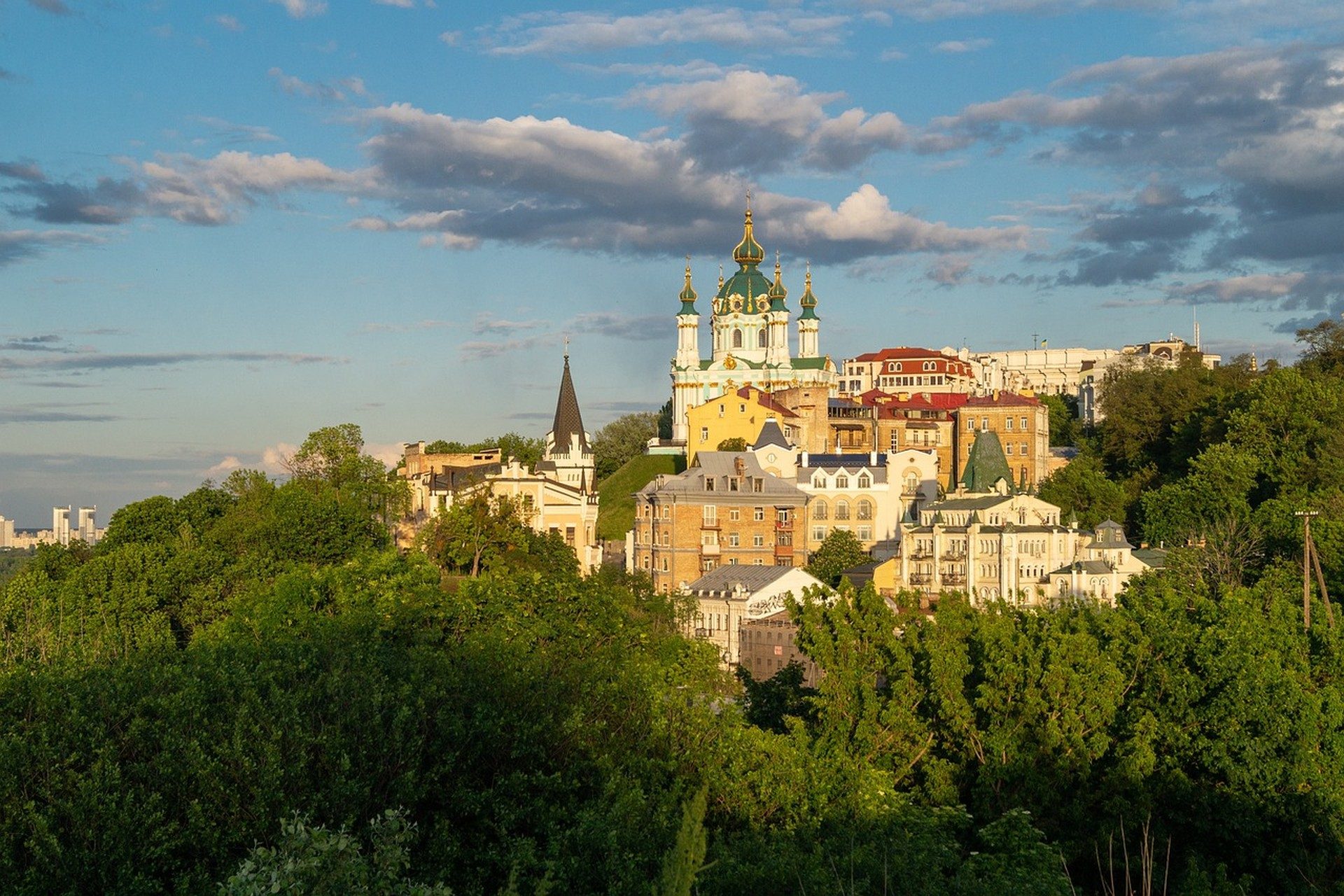
Saint Sophia Cathedral, the Kyiv Pechersk Lavra complex, Lviv’s historic center, and the wooden churches of the Carpathian region remain the core draw. Each site carries stories that schools and guidebooks already teach, so awareness never fully vanished. Physical protection work continues at several locations, yet visitor readiness depends on more than walls standing upright. Reliable opening hours, trained staff, and safe last mile routes decide whether a listing converts into tickets sold.
Operators should treat the list as a portfolio. Some properties sit inside larger urban cores that already host business travelers. Others require longer transfers and overnight stays. Mapping those differences early helps allocate scarce restoration funds where they will unlock the most overnight demand by the late 2020s.
Three Demand Scenarios Stretching to 2030
A cautious baseline assumes gradual security improvements and modest air service recovery. Under that path annual heritage arrivals could reach roughly half of pre crisis peaks by 2028 and climb toward 70 percent by 2030. Revenue would track slightly lower because average length of stay often shortens when travelers feel cautious.
An accelerated recovery path hinges on sustained ceasefire conditions plus targeted marketing that pairs UNESCO visits with cultural festivals. In this case numbers could match 2019 levels around 2029, supported by rail upgrades and simplified visa free entry for more source markets. Hotel occupancy in heritage districts would tighten, lifting room rates and encouraging new small lodgings.
A delayed path must also be written down. Prolonged instability, currency swings, or insurance market retreats could keep arrivals below 40 percent of former highs through the entire decade. Scenario planning only works when all three futures stay visible on the same page so budgets can flex instead of snap.
Capital Sources That Move Heritage Sites Forward
Public reconstruction pipelines already list several UNESCO related projects. The Ukraine recovery portal publishes priorities that include access roads, visitor centers, and digital ticketing systems. International lenders add scale. Support through the EBRD Ukraine program has financed energy and municipal work that indirectly stabilizes tourism corridors. Parallel country strategies from the World Bank Ukraine country program emphasize cultural infrastructure as part of broader economic restart packages.
Private capital follows clearer risk signals. Currency stability reports from the National Bank of Ukraine influence whether foreign hotel groups reopen or expand. When exchange rates settle and insurance products reappear, small boutique operators regain the confidence to renovate properties near Lavra or the Lviv old town. Blended finance structures that combine grants with commercial loans often bridge the gap between public works completion and private hospitality investment.
Safety Perception Versus Actual On Site Conditions
Travelers decide months ahead based on headlines more than street level reality. Continuous transparent updates from site managers and municipal tourism offices reduce that gap. Real time capacity dashboards, published evacuation drills, and multilingual safety briefings help convert interest into confirmed bookings. Insurance products tailored for group tours further lower friction for European and North American agencies.
Local guides already report that first time visitors who reach a site almost always rate the experience highly. The conversion problem sits earlier in the funnel. Consistent messaging across the Foundation platform and partner channels can keep Ukraine heritage on consideration lists even while security conditions evolve.
Workforce Gaps and Training Pipelines
Many experienced interpreters and conservators left the country or shifted into other sectors. Rebuilding that talent pool requires short intensive courses rather than multi year degrees. Partnerships with technical colleges in Kyiv and Lviv can produce certified guides within one season. Digital tools that deliver multi language audio content reduce pressure on scarce human interpreters while still creating jobs for content creators and site supervisors.
Employment patterns outside pure tourism also matter. Growth tracked in the Kyiv IT Employment Beyond Tower Districts: Supply and Demand Scorecard shows remote workers relocating to secondary cities. Those new residents become weekday visitors to nearby UNESCO properties, smoothing seasonal swings and supporting cafes and craft shops year round.
Connecting Heritage Routes to Urban Real Estate Shifts
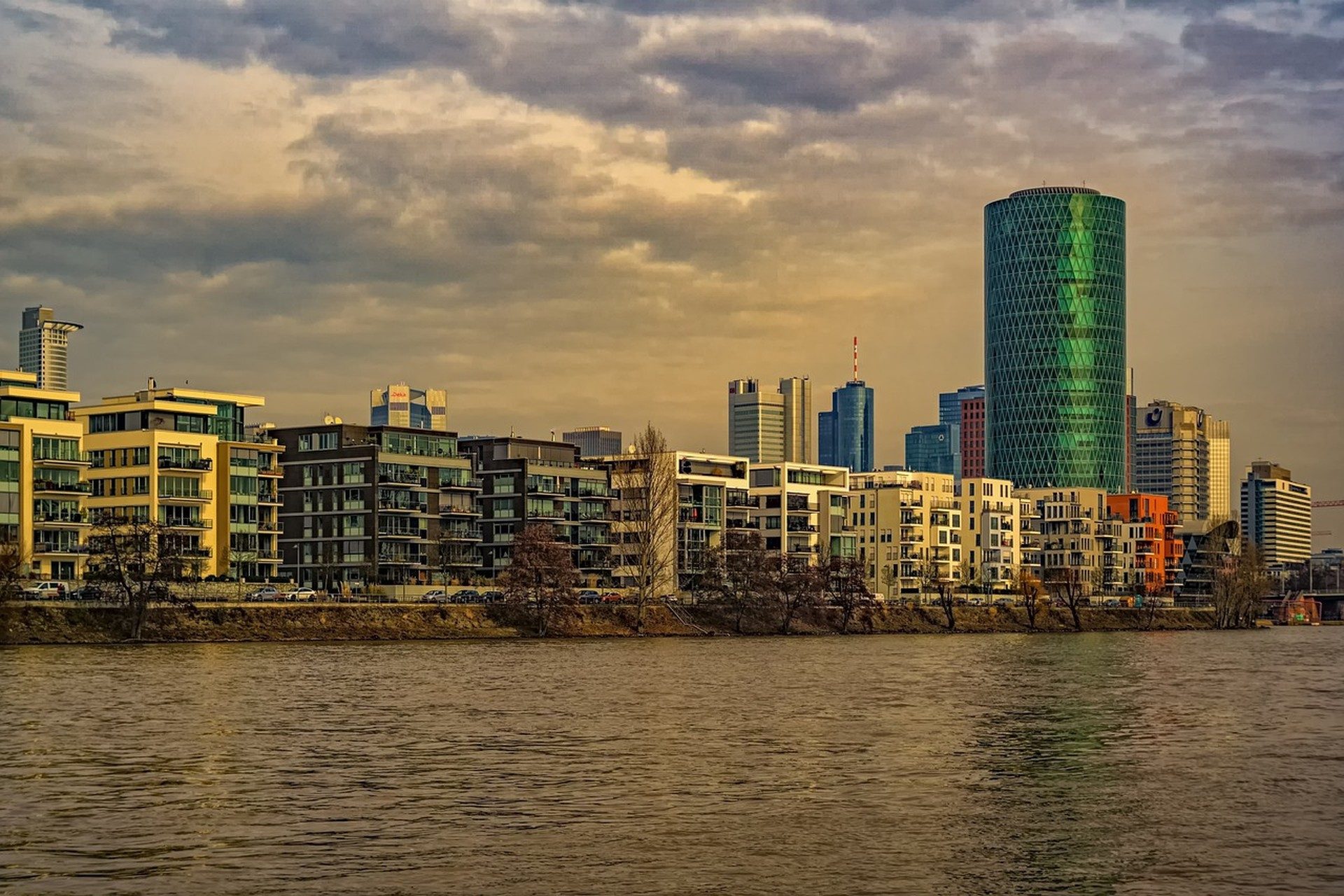
Hotel and apartment demand near major sites already anticipates a rebound. Investors watching the Kyiv Real Estate Market Outlook for 2026 note that adaptive reuse of historic buildings carries both conservation rules and higher long term occupancy potential. Mixed use projects that keep ground floors public and upper floors residential create natural evening economies around monuments. Planners who coordinate zoning early avoid conflicts between conservation zones and commercial growth.
Secondary cities face different math. Lviv’s compact historic core supports walkable itineraries that keep spending local. Smaller Carpathian destinations need better last mile transport and simple lodging inventory before large tour groups return. Scenario plans should therefore assign different timelines and capital needs to each cluster rather than applying one national average.
Monitoring Signals Operators Cannot Ignore
Air seat capacity into Kyiv and Lviv remains the single strongest leading indicator. Secondary signals include school group booking calendars from Poland and Germany, cruise ship itineraries that list Black Sea ports, and insurance premium quotes for cultural tour operators. When those numbers move together, demand is firming. When they diverge, operators should stress test cash flow under the delayed scenario.
Macro context also arrives through unexpected channels. Collaboration patterns described in Defense Startup Collaboration Networks: 2026 Data and Macro Context illustrate how dual use technologies improve logistics and mapping. Those same tools can later serve tourism safety applications, creating positive spillover once commercial focus expands.
Readers seeking broader pattern analysis can browse the Market Trends archive for quarterly updates that place heritage tourism inside national recovery numbers. Practical questions on visas, insurance, or site contacts appear in the FAQ (frequently asked questions) section, while longer narrative pieces continue on the Blog.
Scenario planning through 2030 is less about predicting one future and more about keeping options open. Sites that protect fabric, train people, and publish honest capacity data will capture whatever demand materializes. Money already circulates through public and multilateral channels; private operators who align with those timelines stand ready when travelers return. Ukraine’s UNESCO heritage can again generate jobs, pride, and international connection if the planning remains concrete, flexible, and rooted in the three paths outlined here.
Readers comparing notes on UNESCO Heritage Tourism Recovery Scenario Planning in Ukraine should keep one dated source list and one named owner for updates so the next review of UNESCO Heritage Tourism Recovery Scenario Planning does not restart definitions. Article reference ukraine-247.
If two teams disagree about UNESCO Heritage Tourism Recovery Scenario Planning, write the disagreement in one paragraph with the evidence each side trusts before any money language expands around UNESCO Heritage Tourism Recovery Scenario Planning. Article reference ukraine-247.
A short refusal note for UNESCO Heritage Tourism Recovery Scenario Planning should say what was parked, why it was parked, and who can reopen the file on UNESCO Heritage Tourism Recovery Scenario Planning after new facts arrive in Ukraine. Article reference ukraine-247.
Related Foundation reading: Digital Procurement Systems for Transparency: Scenario Planning Throug.
Timeless Value. Perpetual Legacy.