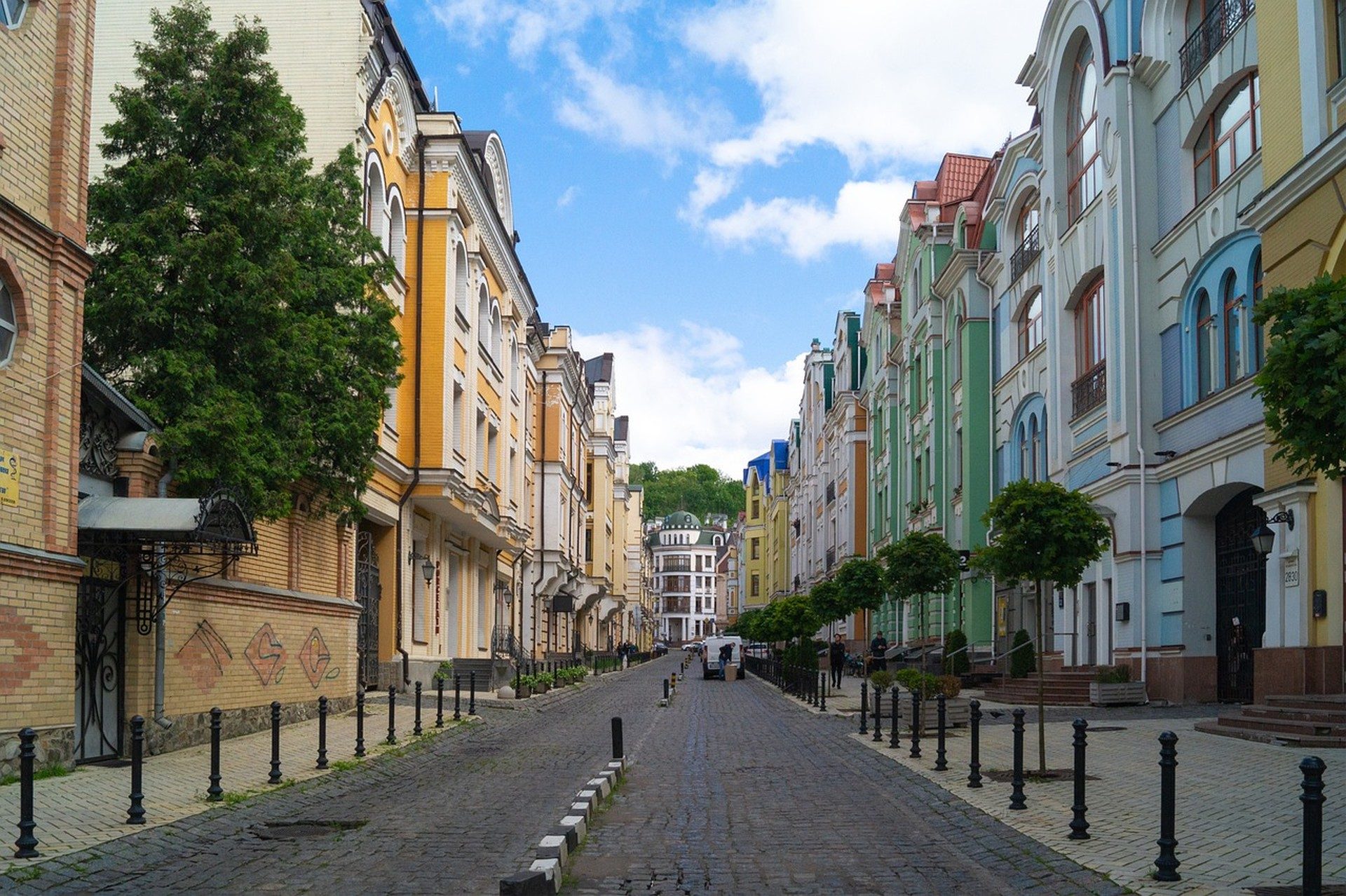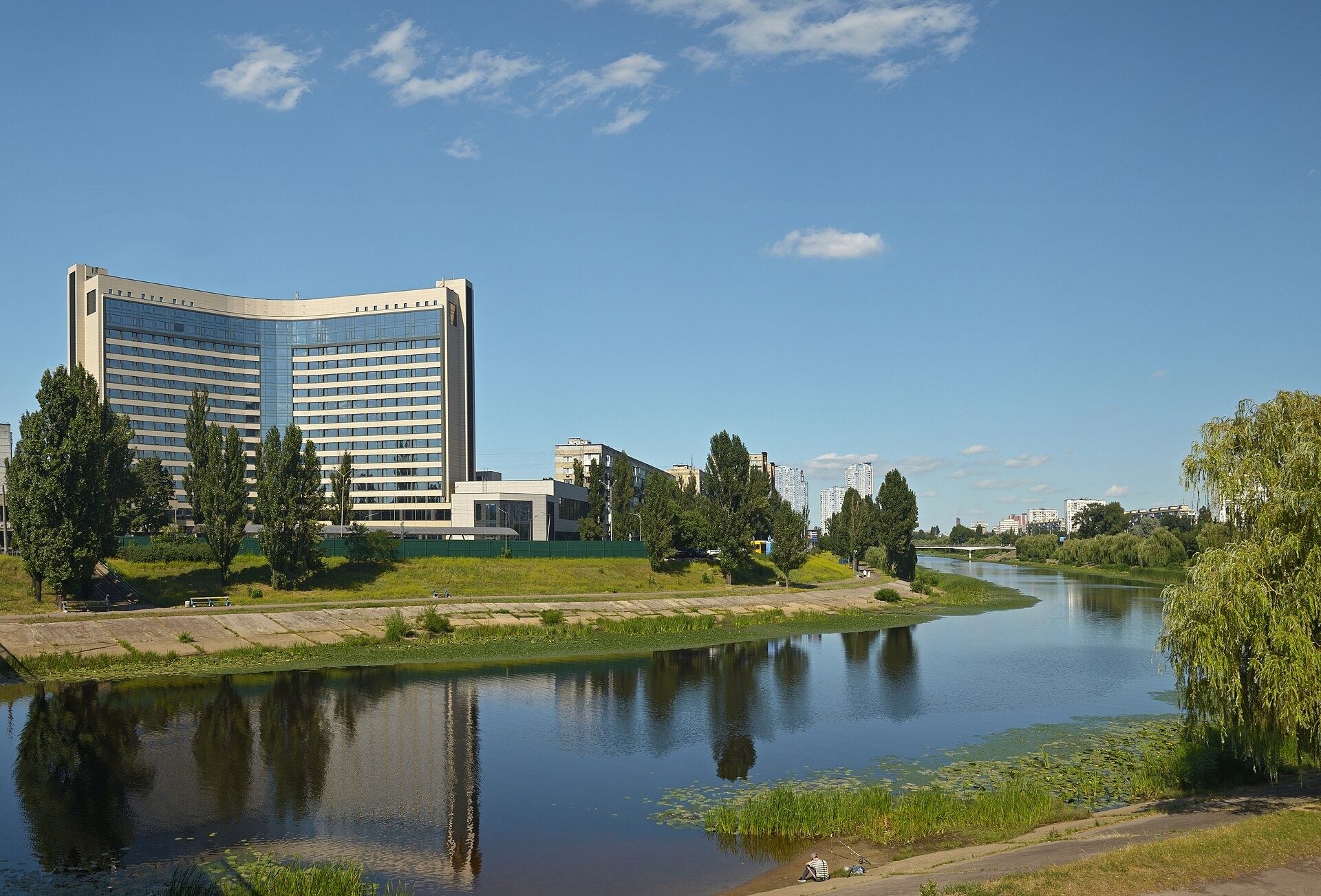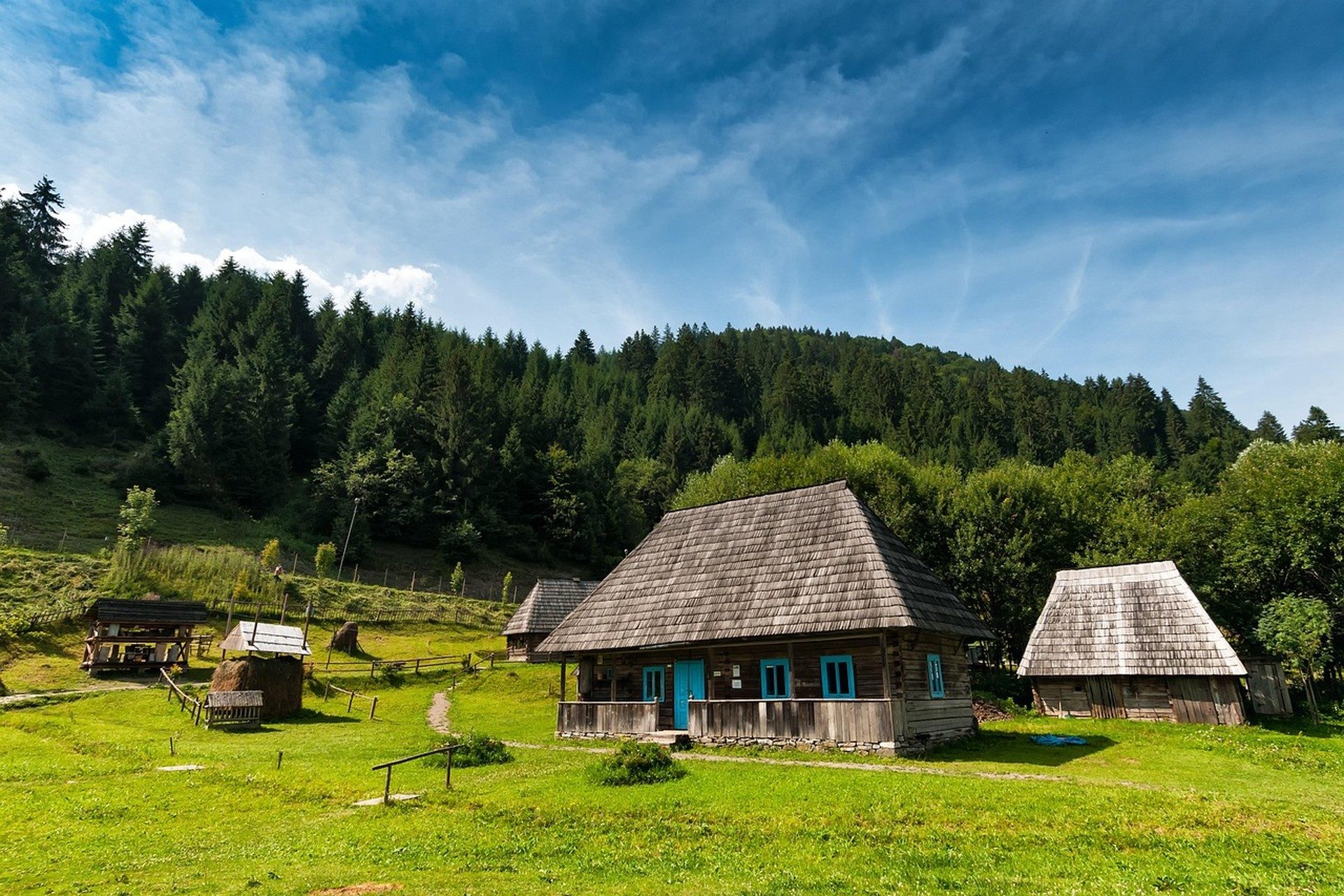
Ukraine’s historic streets, monasteries, fortresses, and industrial heritage districts face a double pressure: the urgent need for repair after years of strain, and the equally urgent need for steady income that does not depend solely on one-time grants. A revenue strategy built around heritage preservation can succeed when it treats migration and talent corridors as living assets rather than side effects. People who move for work, study, or temporary assignment carry purchasing power, skills, and networks that can underwrite conservation if the right structures exist.
Foundation approaches this question for readers who manage municipal budgets, run small cultural enterprises, or simply care about keeping local landmarks open. The focus keyword ukraine ss heritage revenue strategy corridor appears here only to orient search engines; the real work is practical. What follows is a fresh map of how talent flows and border-adjacent movement can generate recurring funds for preservation without turning memory into merchandise.
When Returning Specialists Meet Historic Districts
Thousands of Ukrainians who left during the height of conflict have begun exploring return options, while new foreign specialists arrive to support reconstruction. Both groups need housing, coffee shops, coworking desks, and weekend culture. Historic districts that once felt empty can capture part of that demand if owners and city halls plan for mixed use. A restored merchant house can host short-stay apartments on upper floors and a craft workshop on the ground level; the rent covers roof repairs and the workshop employs local restorers.
Revenue appears when the district becomes a reliable stop on a talent corridor rather than a one-time tourist photo stop. Professionals who rotate every six months still need reliable internet, safe evenings, and places to meet colleagues. Heritage sites that offer those services without erasing original fabric generate steady fees. Readers can explore related property techniques in The BRRRR Method Adapted for Post-War Kyiv Real Estate when the building itself is the financial vehicle.
Border Logistics Paths That Double as Cultural Gateways
Western and southern corridors already move goods and people toward European Union markets. Those same roads pass through towns that hold castles, salt mines, and wooden churches. A logistics park need not ignore the church; it can sponsor its maintenance in exchange for a named visitor center that greets drivers and their families. The arrangement creates a small but predictable stream of corporate sponsorship while giving truck crews a clean rest area with genuine local history.
Policy differences across neighboring markets shape how easily such partnerships form. Comparing regimes helps Ukrainian planners avoid dead ends, which is why the analysis in EU Border Logistics Park Strategy: Policy Regime Comparison Across Markets remains useful. When corridor traffic is treated as a potential visitor base rather than pure freight, heritage budgets gain a second income line.
Skills Pipelines That Fund Conservation Workshops
Talent corridors carry more than managers; they also move mid-level craftspeople, digital designers, and language teachers. Conservation workshops can hire rotating specialists for three-month contracts, charge training fees to municipal crews, and sell finished restoration work to private owners. The income keeps the workshop open year-round instead of depending on a single project grant.
National institutions already track capital flows and workforce recovery. Data published by the National Bank of Ukraine help local leaders judge whether remittances and new investment are rising fast enough to support expanded workshop payrolls. When the numbers look solid, a city can safely underwrite a conservation school that trains both locals and temporary migrants.
Revenue Models That Keep Authenticity Intact
Four practical models appear repeatedly in successful Ukrainian and comparable European cases. First, timed-entry tickets for sensitive interiors generate income without overcrowding. Second, licensed artisan markets inside castle courtyards give craftspeople stalls while the site takes a modest percentage. Third, corporate heritage dinners in restored halls bring evening revenue after daytime public hours end. Fourth, digital twin subscriptions let distant alumni and diaspora members support a site they cannot yet visit.
None of these models requires heavy debt if the site starts small. A single well-lit hall can host the dinners; a simple online calendar can handle the tickets. The goal is recurring cash that pays for roof tiles and specialist wages, not a sudden theme-park conversion. Readers who want deeper financial frameworks can browse the Smart Strategies archive for additional case patterns.
Migration Waves as Seasonal Demand Spikes
Talent corridors are not constant rivers; they pulse with academic calendars, reconstruction contracts, and harvest seasons. A heritage site that notices the pulse can schedule special exhibitions or language cafes during peak weeks and drop to basic staffing in quieter months. That flexibility protects the budget while still welcoming newcomers.
International lenders watch these patterns closely. The World Bank Ukraine country program has repeatedly highlighted labor mobility as a factor in regional recovery. Local heritage managers who align opening hours and event calendars with known mobility peaks capture more of the available spending without extra marketing cost.
Measuring Corridor Impact Without Losing the Soul of Place
Simple metrics keep the strategy honest. Count overnight stays within a one-kilometer radius of the site. Track workshop enrollment by origin of participant. Measure the share of revenue that covers maintenance versus marketing. When those numbers rise together, the corridor is working for preservation. When marketing spend climbs while maintenance lags, the model has tilted too far toward spectacle.
Independent analysis from the IMF Ukraine country analysis supplies macroeconomic context for such local indicators. A city that understands national fiscal space can set realistic revenue targets instead of fantasy figures. Honest measurement also reassures donors that their capital improves fabric rather than just footfall.
Finance Channels Already Open for Heritage-Linked Corridors
Several public and quasi-public windows currently accept proposals that combine cultural assets with workforce mobility. The national Ukraine recovery portal lists reconstruction calls that explicitly allow heritage components. European partners such as the EBRD Ukraine program have financed mixed-use projects that keep historic shells while adding modern services for mobile professionals.
Private capital can enter through carefully structured leases. A logistics operator might fund facade restoration in exchange for a long-term ground-floor lease for a canteen that serves both drivers and site visitors. The key is transparent contracts that protect conservation standards while guaranteeing the operator a usable space. Additional questions about contract language appear in the FAQ (frequently asked questions) section of this site.
Southern Capacity Trends and Their Heritage Spillover
Capacity growth in key southern nodes influences how far talent and freight corridors stretch. When logistics volume rises, secondary towns along the routes experience more overnight stays and service demand. Historic sites in those towns gain a chance to convert that traffic into ticket and catering revenue. Comparative data on this pattern sit in Zaporizhzhia Logistics Capacity Trends: Global Market Comparison.
Planners who watch those trends can time their own small investments, lighting upgrades, accessible restrooms, bilingual signage, so that the site is ready when the next wave of corridor traffic arrives. Waiting until the wave is already present usually means lost income and temporary overcrowding that damages fabric.
Foundation continues to publish field notes and strategy sketches on the Blog so practitioners can compare notes across regions. Anyone who wants a wider view of how the same principles scale can visit the Foundation platform for country-level context and partner directories.
Heritage that earns its keep through the natural movement of talent remains open to the next generation. The corridor is already there; the task is simply to design revenue that respects both the stones and the people who pass among them.
See also Foundation platform.
Related Foundation reading: What to Ask Before Signing With a General Contractor in Kyiv and Renewables Buildout Economics in Ukraine: How the Market Actually Work.
Timeless Value. Perpetual Legacy.