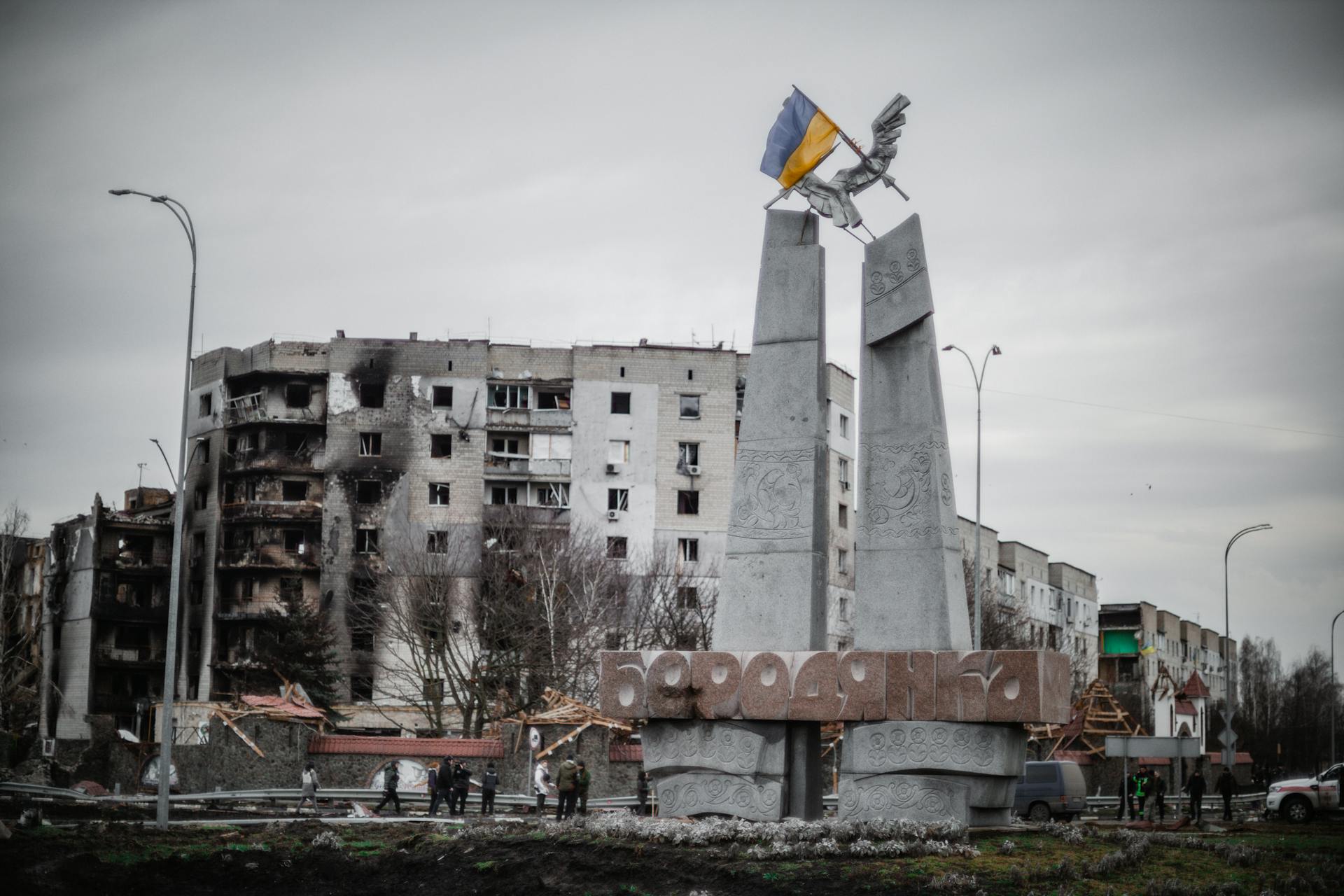
As Ukraine continues its recovery from the full-scale invasion that began in February 2022, foreign capital has emerged as a critical driver of reconstruction efforts. With total recovery and reconstruction needs now estimated at nearly $588 billion over the next decade, according to the latest Rapid Damage and Needs Assessment (RDNA5), the country is actively working to attract international investors. This article explores the current trends in foreign investment, the major funding mechanisms in place, and the key regulatory updates that are shaping the investment landscape in 2026. By understanding these developments, readers gain a clear picture of how global capital is supporting Ukraine’s “build back better” strategy.
The Growing Role of Foreign Capital in Ukraine’s Recovery
Foreign direct investment (FDI) and international financing are no longer optional supplements to public aid. They form an essential pillar of Ukraine’s reconstruction plan. The RDNA5 report, released in February 2026 by the Government of Ukraine, the World Bank Group, the European Commission, and the United Nations, highlights that private capital, both domestic and international, will be vital to closing the massive financing gap. Direct damage stands at $195.1 billion as of December 2025, with housing, transport, and energy sectors remaining the most affected. Private investors are drawn by the scale of opportunity and the policy reforms that have improved the business climate. International financial institutions estimate that blended finance and de-risking tools could unlock tens of billions in additional private funding. This shift from grant-based aid to investment-oriented partnerships marks a maturing phase in Ukraine’s recovery, where foreign capital is expected to finance innovative projects, create jobs, and accelerate integration with European markets.Major International Initiatives Driving Foreign Investment
Several large-scale programs are channeling foreign capital into Ukraine’s reconstruction. These initiatives combine public guarantees with private sector participation to reduce risk and increase returns. The European Union’s Ukraine Investment Framework (UIF), part of the broader €50 billion Ukraine Facility, stands out as a cornerstone. With €9.5 billion in EU support, the UIF aims to mobilize over €40 billion in total investments. It provides guarantees, blended finance, and technical assistance to attract private capital into priority areas such as green energy, digital infrastructure, and sustainable construction. On the bilateral side, the U.S.-Ukraine Reconstruction Investment Fund (URIF) has gained significant momentum. Established in 2025 with initial capital of $150 million, the fund approved its first investment in March 2026 in Sine Engineering, a Ukrainian company developing advanced technology for unmanned aerial vehicles. By May 2026, URIF had received 282 project applications from more than 15 countries and is on track to reach $200 million by year-end, with additional projects expected in energy, critical minerals, and infrastructure. Multilateral players such as the European Bank for Reconstruction and Development (EBRD), the International Finance Corporation (IFC), and the Multilateral Investment Guarantee Agency (MIGA) are also active. These institutions offer risk mitigation products, including political risk insurance and investment guarantees, that make Ukraine more attractive to foreign investors.Key Trends Shaping Foreign Capital Flows in 2025 - 2026
Foreign investment trends in Ukraine reconstruction reflect both immediate needs and long-term strategic priorities. Energy and renewable projects lead the way, followed by infrastructure modernization and sustainable construction. Investors are particularly interested in “build back better” initiatives that incorporate EU standards for energy efficiency, digitalization, and environmental sustainability. Mergers and acquisitions (M&A) activity has rebounded strongly. Reports indicate more than 20 percent growth in deal volume in 2025 compared to prior years, with foreign buyers targeting assets in logistics, manufacturing, and agri-processing. Public-private partnerships (PPPs) are expanding, especially in transport and energy, where large-scale projects benefit from government-backed guarantees. Another notable trend is the rise of impact-oriented and green investments. Funds focused on innovative construction materials, battery storage, and smart-grid technologies are drawing capital from Europe, the United States, and Asia. Private equity vehicles, such as the Rebuild Ukraine Fund managed by Dragon Capital, have closed at around $250 million with contributions from IFC, EBRD, and other partners. Critical minerals and dual-use technologies represent an emerging frontier. The URIF’s focus on these sectors aligns strategic economic interests with reconstruction goals, creating opportunities for investors seeking both financial returns and supply-chain resilience.Regulatory Updates Creating a More Investor-Friendly Environment
Ukraine has implemented a series of regulatory reforms in 2025 and early 2026 to make reconstruction projects more attractive to foreign capital. These changes address previous barriers while strengthening national security and transparency. One major development is the updated legal framework for war-recovery projects. New legislation simplifies permitting, introduces greater freedom of contract in employment, and offers targeted incentives for priority reconstruction initiatives. Subsoil regulations have also been modernized to align with international standards, facilitating investment in critical minerals. Currency liberalization measures have eased capital flows, allowing greater flexibility for foreign investors in repatriating profits and managing foreign exchange risks. Reforms to public investment planning, including the integration of the DREAM digital system, have improved transparency and project monitoring, giving investors greater confidence in governance. In September 2025, Ukraine registered Draft Law No. 14062 on the Screening of Foreign Direct Investments. This proposed regime introduces a formal review process for investments in sectors critical to national security. While it adds a layer of oversight, experts note that a well-designed screening mechanism can actually enhance predictability and protect legitimate investors from unfair competition. Additional reforms in public-private partnerships and investment guarantees further align Ukraine’s rules with EU practices. These updates signal a clear commitment to creating a stable, transparent environment that respects private property and the rule of law.Risk Mitigation Tools Supporting Foreign Investors
Foreign capital in high-risk environments requires robust protection mechanisms. Ukraine benefits from a comprehensive suite of tools provided by international partners. The EU, United States, and multilateral banks offer political risk insurance, blended finance structures, and investment guarantees through agencies such as MIGA and the U.S. International Development Finance Corporation (DFC). The Ukraine War Risk Insurance Facility, backed by Lloyd’s of London and supported by bilateral export credit agencies, provides private-market coverage against war-related risks. These instruments have proven effective in de-risking projects and encouraging larger commitments from institutional investors.