As Ukraine enters the fifth year of recovery from the full-scale invasion that began in February 2022, the country presents a complex picture of destruction and determination. The latest official assessments reveal both the enormous scale of damage to built assets and the clear pathways for investment that could reshape the nation for generations. This article examines the current state of Ukraine’s housing, infrastructure, energy systems, and other key sectors in 2026. It also explores the
real investment potential that exists today for those seeking to participate in one of the largest reconstruction efforts in modern European history.The Scale of Damage to Built Assets as of Early 2026
Four years of conflict have inflicted unprecedented harm on Ukraine’s physical infrastructure. According to the fifth Rapid Damage and Needs Assessment (RDNA5) released in February 2026 by the Government of Ukraine, the World Bank Group, the European Commission, and the United Nations, direct damage now stands at $195.1 billion. This figure represents a 10.8 percent increase from the previous assessment just one year earlier. Housing remains one of the hardest-hit sectors. An estimated 14 percent of the total housing stock has been damaged or destroyed, directly affecting more than three million households. Schools, hospitals, roads, bridges, and power plants have also suffered extensive losses. The assessment notes that the combined reconstruction and recovery needs across all sectors now total nearly $587.7 billion over the next decade. This amount equals almost three times Ukraine’s estimated 2025 gross domestic product. These numbers are not abstract. They translate into real communities where families still live in temporary housing, factories stand idle because of destroyed supply lines, and entire cities require systematic rebuilding. Yet the data also shows early signs of progress. At least $20 billion in urgent repairs and early recovery activities have already been completed since 2022 in housing, energy, education, transport, and other essential areas.Current Status of Key Sectors: Where Reconstruction Stands Today
Housing: From Ruins to Resilient Homes
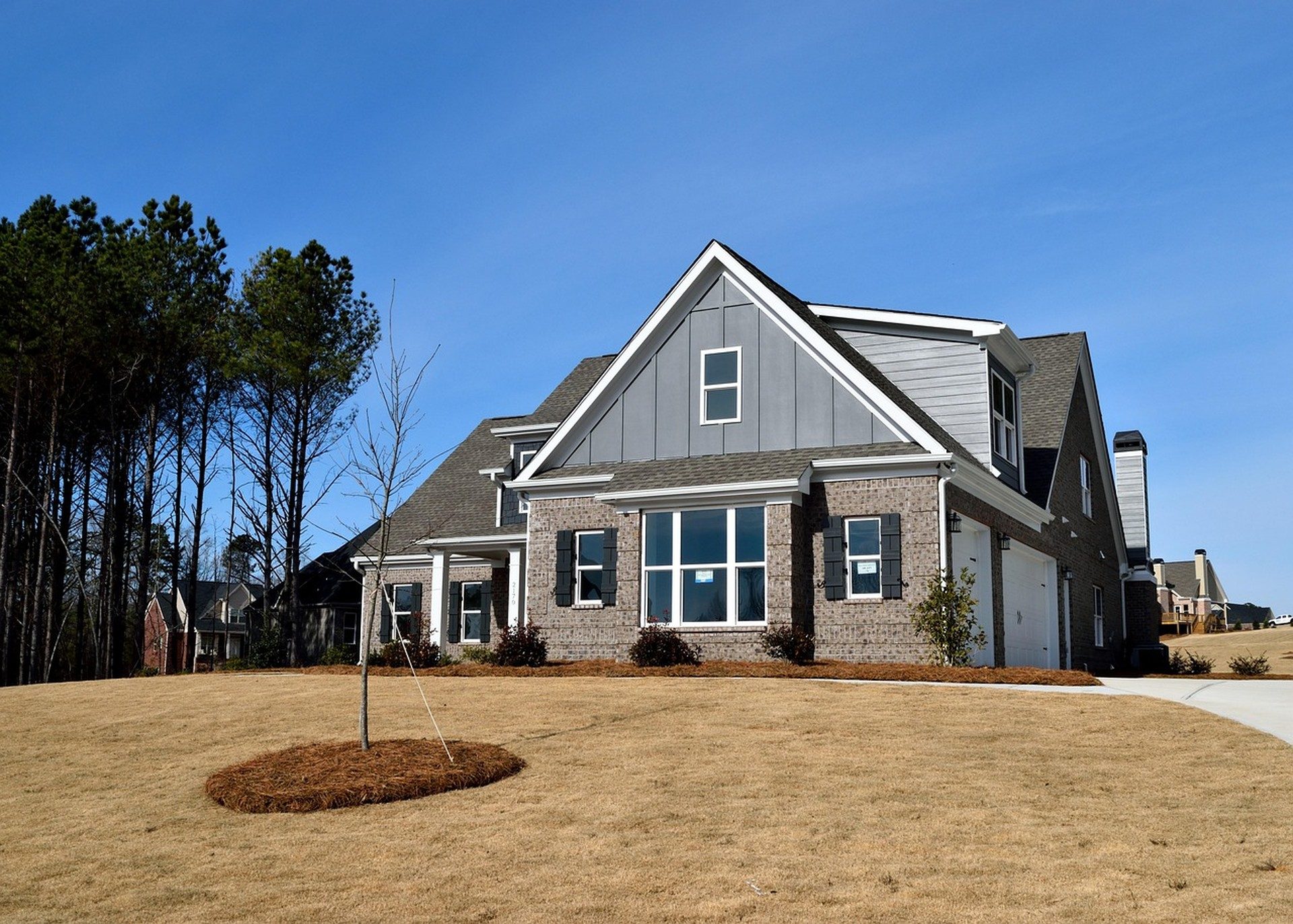
The housing sector alone carries reconstruction needs close to $90 billion. More than one in seven residential units across the country requires either full replacement or major repair. In frontline regions and major metropolitan areas, the concentration of damage is even higher. Reconstruction here goes beyond simple replacement. Modern Ukrainian projects increasingly incorporate energy-efficient designs, seismic resilience, and accessibility features that align with European Union standards. Local authorities and international partners have prioritized “build back better” principles. New homes are not only being restored but upgraded to reduce future energy consumption and improve living standards. This approach creates long-term value for both residents and potential investors in construction materials and technologies.Transport and Infrastructure: Reconnecting the Country
Transport infrastructure has sustained damage estimated in the tens of billions, with total reconstruction needs exceeding $96 billion. Key roads, railways, ports, and airports were targeted early in the conflict, disrupting supply chains and economic activity. By mid-2026, targeted repairs have restored critical corridors, yet full modernization remains a multi-year endeavor. Investors looking at this sector can see clear opportunities in public-private partnerships. Upgraded logistics networks will be essential for Ukraine’s integration into European markets. The government has already begun prioritizing projects that combine immediate functionality with future-proof design, including digital monitoring systems and green transport solutions.Energy Sector: Rebuilding a More Secure and Sustainable Grid
Energy facilities rank among the most damaged assets, with needs approaching $91 billion. Repeated attacks on power plants, substations, and transmission lines have forced Ukraine to accelerate the shift toward decentralized and renewable sources. In 2026, reconstruction efforts focus not only on restoring lost capacity but on creating a more resilient, modern energy system. Solar, wind, and small-scale hydro projects are gaining momentum. International financing supports the installation of battery storage and smart-grid technologies. These developments reduce dependence on large centralized facilities that proved vulnerable and open doors for private investment in clean energy. “The reconstruction of Ukraine’s energy infrastructure is not simply about repairing what was lost. It is about building a system that is stronger, greener, and better integrated with the European energy market.” - Official summary from the RDNA5 report.Progress Already Underway in 2026
Despite ongoing challenges, tangible advances are visible across the country. The Ukrainian government has allocated more than $15 billion for public investment projects and recovery programs specifically in 2026. These funds target destroyed housing, demining operations, and multisector economic support. International partners have stepped up as well. In March 2026 the European Union announced a fresh €1.5 billion package through the Ukraine Investment Framework designed to unlock an additional €3.4 billion in new investments across energy, education, connectivity, agriculture, and small business. On the bilateral front, the US-Ukraine Reconstruction Investment Fund continues to move forward. By early 2026 the fund became fully operational and is actively reviewing first investment projects in critical minerals, energy, transport and logistics with further initiatives planned before the end of the year. These combined efforts demonstrate that reconstruction is no longer theoretical. It is happening on the ground, creating measurable economic activity and laying foundations for long-term growth.Investment Potential: Opportunities That Align with Global Trends
The scale of needs creates corresponding opportunities for investors who understand the “build back better” framework. Private capital is expected to play a major role alongside public funding. Sectors with the strongest potential include:
Reports from development institutions highlight that private investment in innovative and sustainable construction alone could generate significant new capital while creating thousands of jobs. Risk-mitigation tools provided by the EU, the United States, and multilateral banks help reduce perceived uncertainties. Guarantees, blended finance structures, and clear regulatory improvements make participation more attractive than many observers expected even a year ago.
Challenges That Must Be Addressed
No serious discussion of reconstruction ignores the remaining hurdles. Security concerns persist in certain regions. Regulatory harmonization with EU standards requires continued effort. Skilled labor shortages and supply-chain disruptions still affect timelines. Yet each of these challenges is actively being tackled through policy reforms, training programs, and international partnerships. Investors who conduct proper due diligence and partner with established local entities find that the risk-reward profile improves steadily as projects move from planning to implementation.