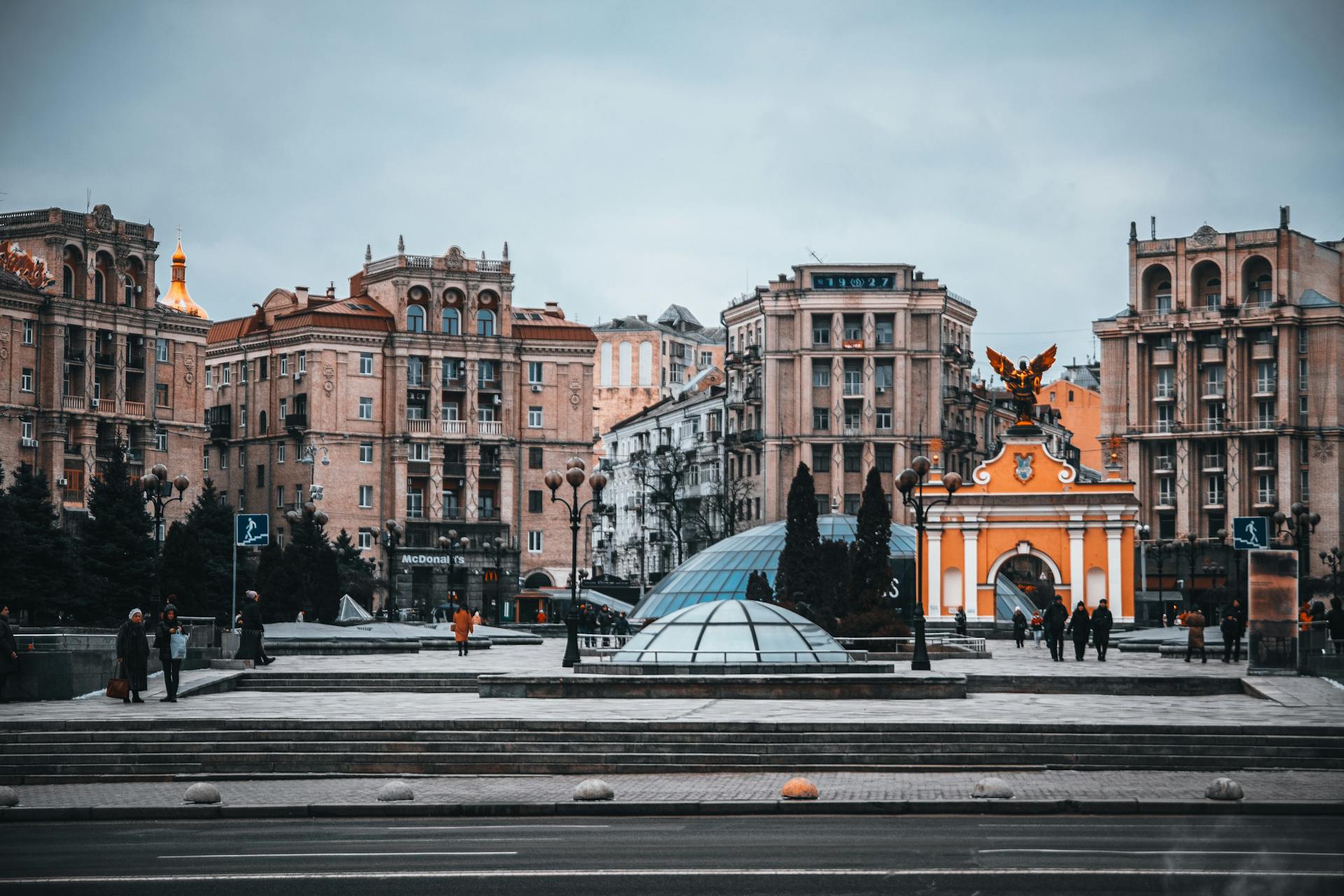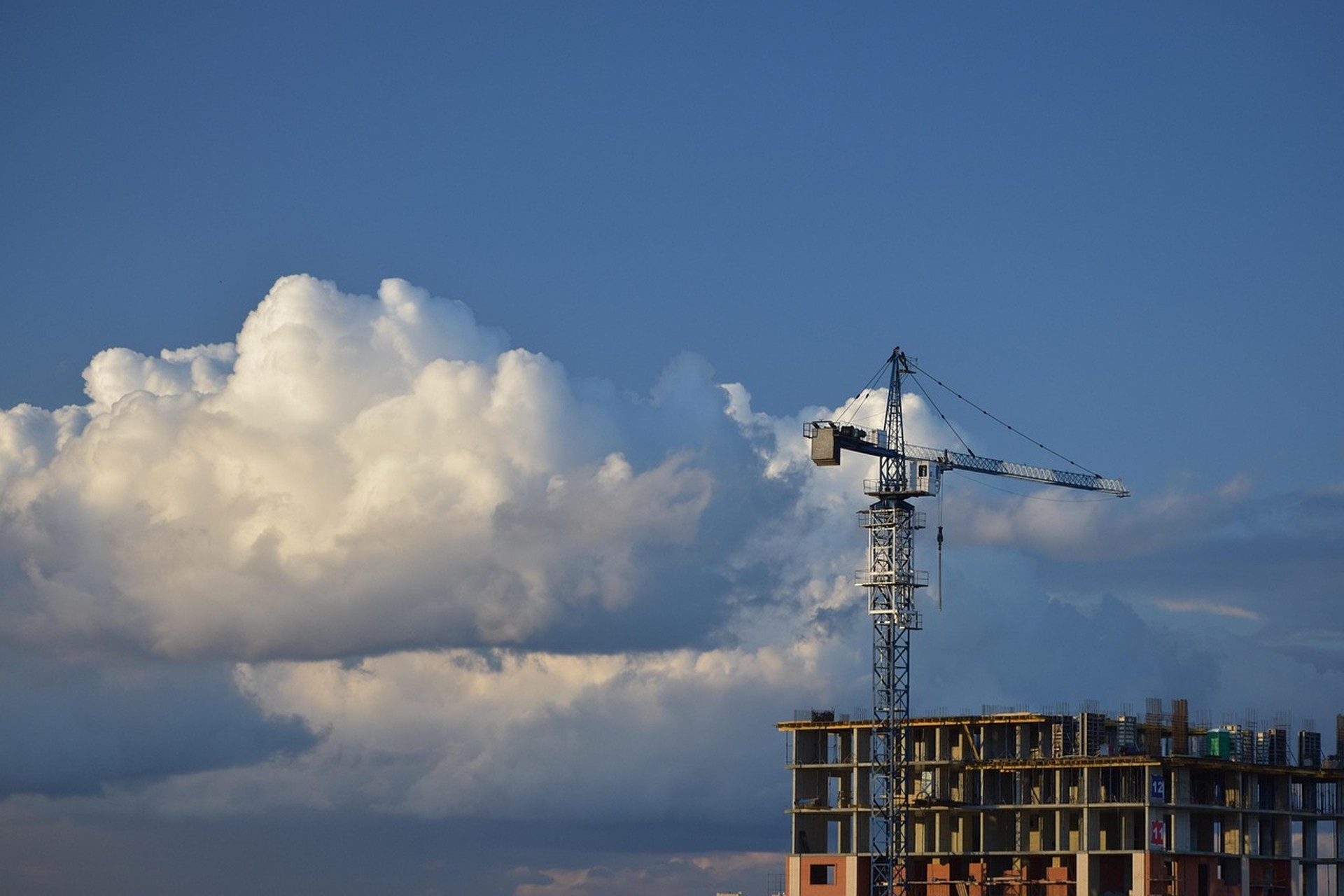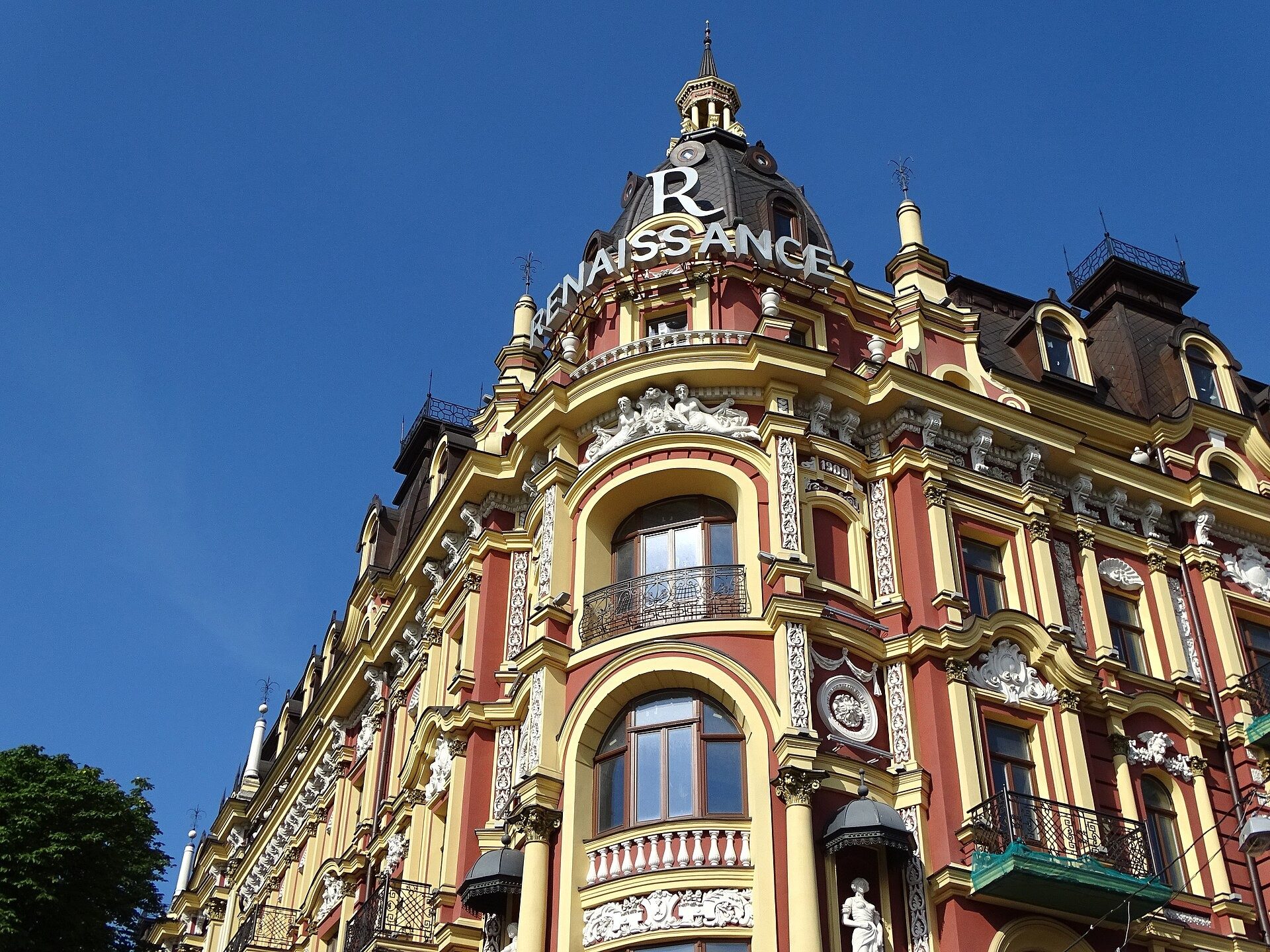
Holosiivskyi District sits on Kyiv’s southern flank, where dense neighborhoods meet one of the capital’s largest remaining green belts. Residents know it for Holosiivskyi Forest, long stretches of tree cover, and a mix of older apartment stock with pockets of newer construction. That mix now sits at the center of holosiivskyi rebuilding demand as Ukraine plans physical recovery and private capital looks for solid locations.
Foundation covers districts like this because green space and repair needs rarely move in isolation. When parks stay usable and roads keep working, families stay. When buildings need reinforcement or replacement, demand for materials, labor, and new homes rises. The sections below walk through those forces without jargon.
How Holosiivskyi Fits Kyiv’s Southern Frame
Holosiivskyi spreads south from the city core toward the edge of continuous urban fabric. It holds large residential areas, university grounds, and major green zones that buffer neighborhoods from pure industrial sprawl. Daily life here often involves short walks into tree-lined paths as much as bus or metro rides toward central districts.
Housing ranges from late Soviet panels to mid-rise blocks built after independence. Some streets feel quiet because trees dampen noise. Others carry heavier traffic toward markets and campuses. For anyone tracking recovery, that mix matters: places people already like to live attract both repair work and new projects first.
Local knowledge still counts more than maps. A block near a functioning park may draw stronger interest than an identical structure farther from shade and paths. Buyers and renters weigh that everyday comfort when they decide where to put down roots after disruption.
Green Cover That Frames Neighborhood Life
Holosiivskyi Forest and connected parks give the district a character few other parts of Kyiv still enjoy at this scale. People use the paths for walking, jogging, and quiet afternoons. That open space is not a marketing slogan. It shapes air quality, summer temperatures, and how dense housing feels from the sidewalk.
Preservation pressure remains high. Clearing large tracts for towers would erase the advantage that keeps families here. Smart rebuilding tends to work around existing canopy, improve edges of parks, and repair buildings that already sit near green corridors rather than push deep into wooded land.
International lenders track environmental quality alongside bricks and mortar. Reviews under the World Bank Ukraine country program often link urban resilience to green infrastructure that lowers heat stress and flood risk. Holosiivskyi’s canopy is a ready asset if recovery plans treat it as permanent rather than temporary open land.
Why Reconstruction Pressure Builds Here
Years of strain have left many residential buildings needing facade work, roof repairs, window replacements, and sometimes structural checks. Utility lines under older courtyards require upgrades so heat and water stay reliable through winter. That backlog creates steady holosiivskyi rebuilding demand even without dramatic new skyline changes.
Demand also comes from people who want to stay near parks yet live in safer, better insulated homes. Some prefer renovated Soviet-era flats with solid walls. Others look for newer mid-rise projects that keep height modest and leave room for courtyards. Both preferences support a pipeline of smaller and mid-size jobs rather than only mega complexes.
Institutional capital often waits for clear time windows. Readers following The 2026 to 2028 Reconstruction Window for Institutional Capital will recognize how multi-year planning horizons line up with district-level needs. Holosiivskyi offers a combination of occupied neighborhoods and repair backlog that fits those horizons better than empty fields alone.
Housing Stock Along Forest Edges
Buildings closest to Holosiivskyi Forest and smaller parks often hold higher residual appeal. Tenants pay for access to shade and quieter evenings. Owners who invest in insulation, elevators, and common areas can recover more of those costs because the location already attracts people.
Farther from the canopy, streets can feel more ordinary. There rebuilding still happens, but marketing relies more on price and transit. Understanding that gradient helps buyers avoid paying forest-edge premiums for blocks that sit several streets away from actual paths.
Some courtyards already host small community gardens or playgrounds. Protecting those micro spaces during construction keeps social fabric intact. Heavy equipment can work around mature trees if contracts spell out root protection and dust control. Simple rules like those raise the quality of finished work without special technology.
Transit Links That Keep Daily Rhythms Intact
Metro access and major bus routes connect Holosiivskyi to workplaces and universities across Kyiv. When those lines stay reliable, residents can remain in the district while offices or schools operate farther north or west. Reliable transit therefore multiplies the value of every repaired apartment.
Comparisons with other parts of the city help frame expectations. Growth patterns described in Solomianka's Transit-Linked Growth Corridor show how strong station access can lift entire residential belts. Holosiivskyi benefits from similar logic even though its green space sets a different tone than denser western corridors.
Road quality near markets and campuses also shapes rebuilding costs. Poor surfaces raise delivery expenses for materials. Timely patching and clear truck routes cut those soft costs and make smaller contractors more willing to bid on local jobs.
Capital, Credit, and the Pace of Repair
Large reconstruction needs money that moves beyond household savings. Multilateral institutions and development banks assess sovereign risk, banking health, and project pipelines. Regular country notes from the IMF Ukraine country analysis help investors understand macro conditions that sit above any single district.
Private developers and housing funds still need local demand to justify each site. Holosiivskyi offers that demand because people already live here and want better conditions rather than relocation. Credit programs that support energy-efficient renovations fit the district well: older buildings often leak heat, so insulation upgrades cut future bills while creating immediate construction jobs.
Readers who want broader city context can open the Kyiv Real Estate Market Outlook for 2026 for citywide supply and pricing signals. Those signals do not replace street-level checks, yet they show whether Holosiivskyi is moving with or against the wider market.
What Families and Smaller Investors Usually Check
Non-experts often start with three practical questions: Is the park still open and clean? Does heat arrive on schedule? Can I reach work without heroic commuting? Affirmative answers keep interest high even when finishes stay modest. Negative answers push people toward other districts faster than any brochure can reverse.
Secondary checks cover elevators, roof condition, and moisture in basements. Visible care of common areas signals whether co-owners or management companies take maintenance seriously. That signal matters more after years of deferred work because neglected shared spaces often hide larger problems.
Smaller investors also watch rental demand from students and young professionals who value green space within city limits. Steady occupancy near the forest can support renovations financed partly through rents. The EBRD Ukraine program has long emphasized private-sector participation in recovery, and local rental markets are one way that participation shows up on ordinary streets.
Signals Worth Following Over the Next Seasons
Watch for public updates on park maintenance budgets and utility modernization. Those items rarely make national headlines, yet they shape livability month by month. When benches, lighting, and trail surfaces stay in good order, the green advantage of Holosiivskyi remains real rather than nostalgic.
Also track new building permits that respect height limits near forest edges. Projects that keep massing moderate and plant replacement trees tend to face less community friction. Aggressive towers that cast long shadows or cut paths can slow their own timelines through protests and redesigns.
For ongoing reading, the Market Trends archive gathers district and city pieces as they appear. Practical questions about processes and documents often land in the FAQ (frequently asked questions), while shorter notes and field observations appear on the Blog. Anyone comparing tools and local coverage can also visit the Foundation platform for how Foundation structures Ukraine market work.
Holosiivskyi will not rebuild overnight. Its strength lies in the combination of occupied neighborhoods, functioning transit, and green space that still feels like part of daily life. When repair work protects those assets instead of trading them for short-term density, the district can absorb new capital while keeping the character that makes holosiivskyi rebuilding demand durable rather than speculative.
Related Foundation reading: Veteran Employment Network Pipelines: Legislative Signals Reporters Tr.
Timeless Value. Perpetual Legacy.