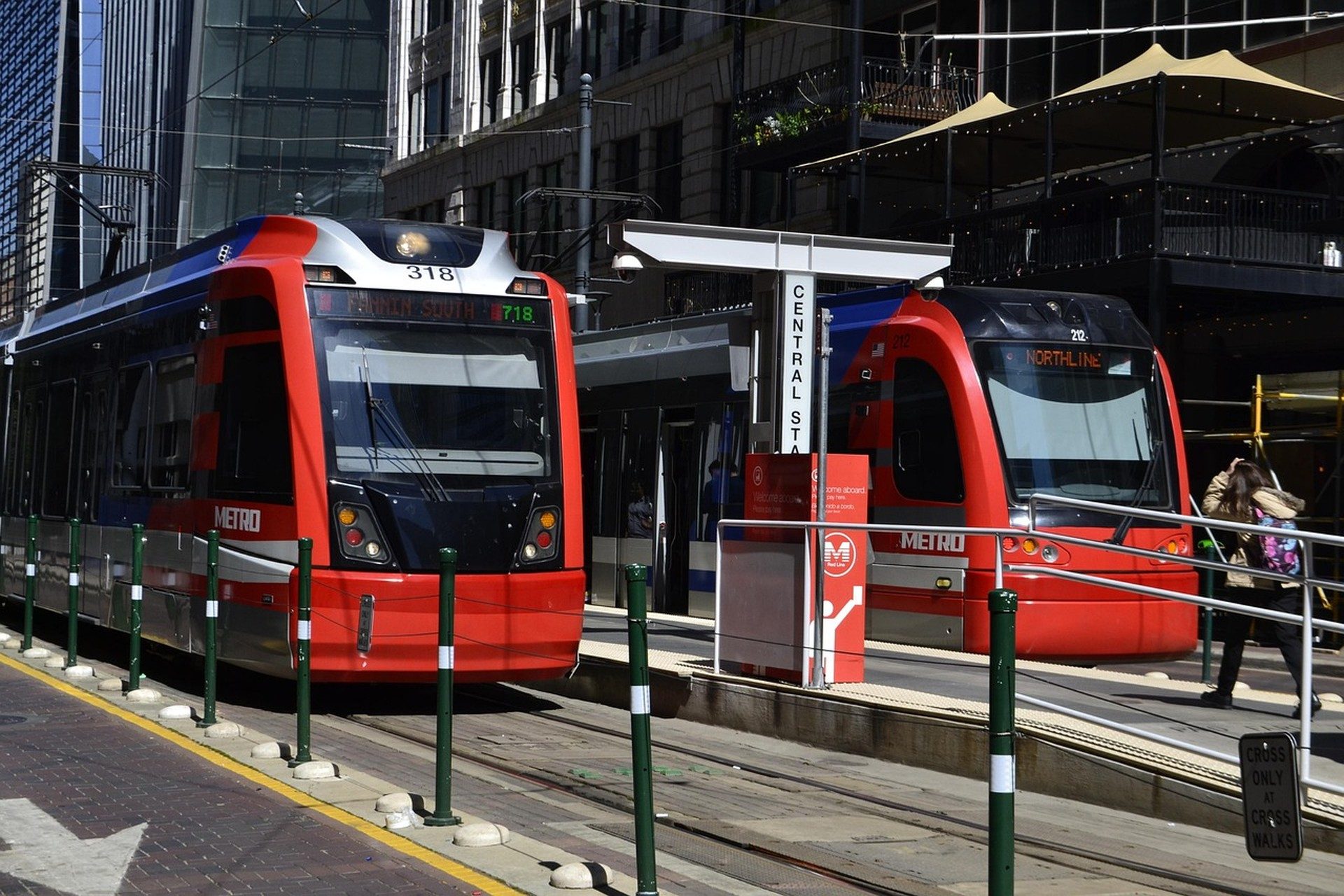
Solomianka sits on a dense web of metro, rail, and road links that already move tens of thousands of people each day. That web is turning selected streets into a recognizable solomianka transit corridor where new housing, small offices, and street retail gather around stations rather than scatter across the wider district. Foundation tracks these shifts so residents, returnees, and careful buyers can read the corridor on its own terms instead of treating every Kyiv neighborhood as interchangeable.
The Metro and Rail Spine That Organizes Daily Movement
Stations along the line form natural anchors. Morning and evening peaks funnel workers toward platforms, while midday traffic keeps kiosks, pharmacies, and cafés busy. When a station entrance receives upgraded lighting, clearer signage, and safer pedestrian approaches, property within a short walk tends to see steadier inquiry. The corridor is not a single street; it is a chain of catchments where walking distance to the platform still matters more than car ownership for many households.
Rail sidings and intercity connections add another layer. Freight and passenger services that share the same broad right of way create both opportunity and noise. Blocks that sit just beyond the loudest tracks yet remain a ten minute walk to the metro often balance convenience and livability better than pure station frontage. Local planning maps already treat these nodes as priority zones for mixed use rather than pure industrial leftover.
Where Foot Traffic Turns Empty Frontage Into Active Ground Floors
Empty ground floors stay empty when people pass them only by car. Once pedestrian counts rise after station works or new housing completion, landlords can reprice retail space with greater confidence. Coffee counters, grocery formats, and service shops appear first because they serve daily needs. Later waves may include co working lounges and small clinics that value the same flow.
Transit oriented intensity also raises questions about delivery vans and waste collection. Successful blocks keep service access off the main sidewalks so the walking experience remains pleasant. Foundation observers note that corridors grow strongest when city teams coordinate pavement repair with private façade upgrades rather than leave them as separate projects.
Housing Mix That Follows Commute Reality
Young professionals and families returning to Kyiv often rank door to station time above raw square meters. Compact apartments with good natural light near reliable platforms can outcompete larger units that require long bus rides. Developers respond by offering efficient layouts, shared bicycle rooms, and secure parcel lockers. The solomianka transit corridor therefore shows a tilt toward mid rise density rather than sprawling low rise estates.
At the same time, not every building near a station suits long term living. Units that face pure industrial yards or lack proper sound insulation can disappoint even when the map looks perfect. Buyers who walk the route at peak hour and late evening learn more than any brochure can tell them. Those same walks reveal which side streets feel overlooked by lighting and which already host evening foot traffic that feels safe.
Office and Service Demand Drawn by Predictable Arrivals
Smaller firms and satellite teams prefer addresses staff can reach without car dependence. A corridor with multiple metro options reduces the risk that a single line outage strands the whole team. Flexible floor plates of modest size fit the selective return pattern of international executives who keep a Kyiv base while traveling. Readers following Selective Return Demand From International Executives in Kyiv will recognize the same preference for reliable transit access over prestige façades alone.
Service providers such as language schools, design studios, and medical diagnostics also cluster near stations because clients arrive by public transport. Their presence lengthens the active hours of the street and supports evening retail. Over time the corridor acquires a mixed rhythm that pure residential blocks rarely achieve.
Noise and Vibration Checks Worth Doing Early
Rail corridors carry vibration that lightweight structures can amplify. Simple site visits during train passages, plus professional acoustic advice before purchase, protect comfort and resale value. Double glazing and careful floor isolation remain practical responses rather than luxury extras in these zones.
Recovery Priorities That Shape Corridor Infrastructure
National recovery planning lists transport nodes among the assets that unlock wider economic activity. The official Ukraine recovery portal outlines how station upgrades, bridge repairs, and power reliability feed into neighborhood revival. When those works land inside Solomianka, private capital often follows because the public side has already reduced key risks.
International partners reinforce the same logic. The World Bank Ukraine country program and the EBRD Ukraine program both emphasize mobility and urban resilience. Corridor projects that align with those themes find it easier to attract concessional finance or blended structures that lower the cost of capital for private developers.
Currency Stability and Credit Signals Investors Still Watch
Property decisions never float free of macro conditions. Updates from the National Bank of Ukraine on exchange rate policy and banking liquidity influence whether buyers can lock long mortgages or must rely on cash. Parallel analysis from the IMF Ukraine country analysis helps outsiders gauge fiscal space for continued infrastructure spending. Together these sources form a practical dashboard for anyone sizing a multi year commitment inside the corridor.
Local banks still underwrite carefully. Projects that already sit near completed station works tend to receive more favorable treatment than those that depend on distant future extensions. Transparent sales progress and clear title documentation remain non negotiable for serious lenders.
How Nearby District Patterns Inform Without Dictating Outcomes
Solomianka does not operate in isolation. Patterns of green space demand and rebuilding intensity in adjacent areas, including the picture sketched in Holosiivskyi District: Green Space and Rebuilding Demand, offer useful contrast. Where Holosiivskyi may trade on park access, Solomianka trades more heavily on platform proximity. Buyers who understand both can decide which amenity set matches their daily life.
Broader city forecasts also matter. The Kyiv Real Estate Market Outlook for 2026 places corridor growth inside a wider recovery story rather than treating it as an isolated pocket. Cross reading that outlook with on the ground station data keeps expectations grounded.
Practical Checks Before Committing Near Key Stations
Walk every approach route at different hours. Note lighting, pavement condition, and the presence of active ground floor uses after dark. Ask management companies about planned façade or roof works that could affect livability. Confirm that utility capacity can support additional density without chronic outages. These steps sound basic yet still separate solid purchases from regrets.
Title and permitting diligence stay essential. Foundation materials on the Foundation platform and the open FAQ (frequently asked questions) collection walk newcomers through common documentation questions without legal jargon. For ongoing observation of similar corridors, the Market Trends archive and the main Blog keep fresh district notes available in plain language.
None of this guarantees instant price appreciation. It does improve the odds that daily life matches the map promise and that exit options remain open if personal plans change. The solomianka transit corridor rewards patient observation more than speculative haste, and that patience is still the most reliable asset any participant can bring.
See also Foundation platform.
Readers comparing notes on Solomianka s Transit Linked Growth Corridor in Ukraine should keep one dated source list and one named owner for updates so the next review of Solomianka s Transit Linked Growth Corridor does not restart definitions. Article reference ukraine-059.
Related Foundation reading: Reconstruction Fund Allocates New Capital to Priority Corridors, EU Border Logistics Park Strategy: Who the Main Stakeholders Are, and Donor Coordination Platforms: Regulatory Briefing for Institutions.
Timeless Value. Perpetual Legacy.