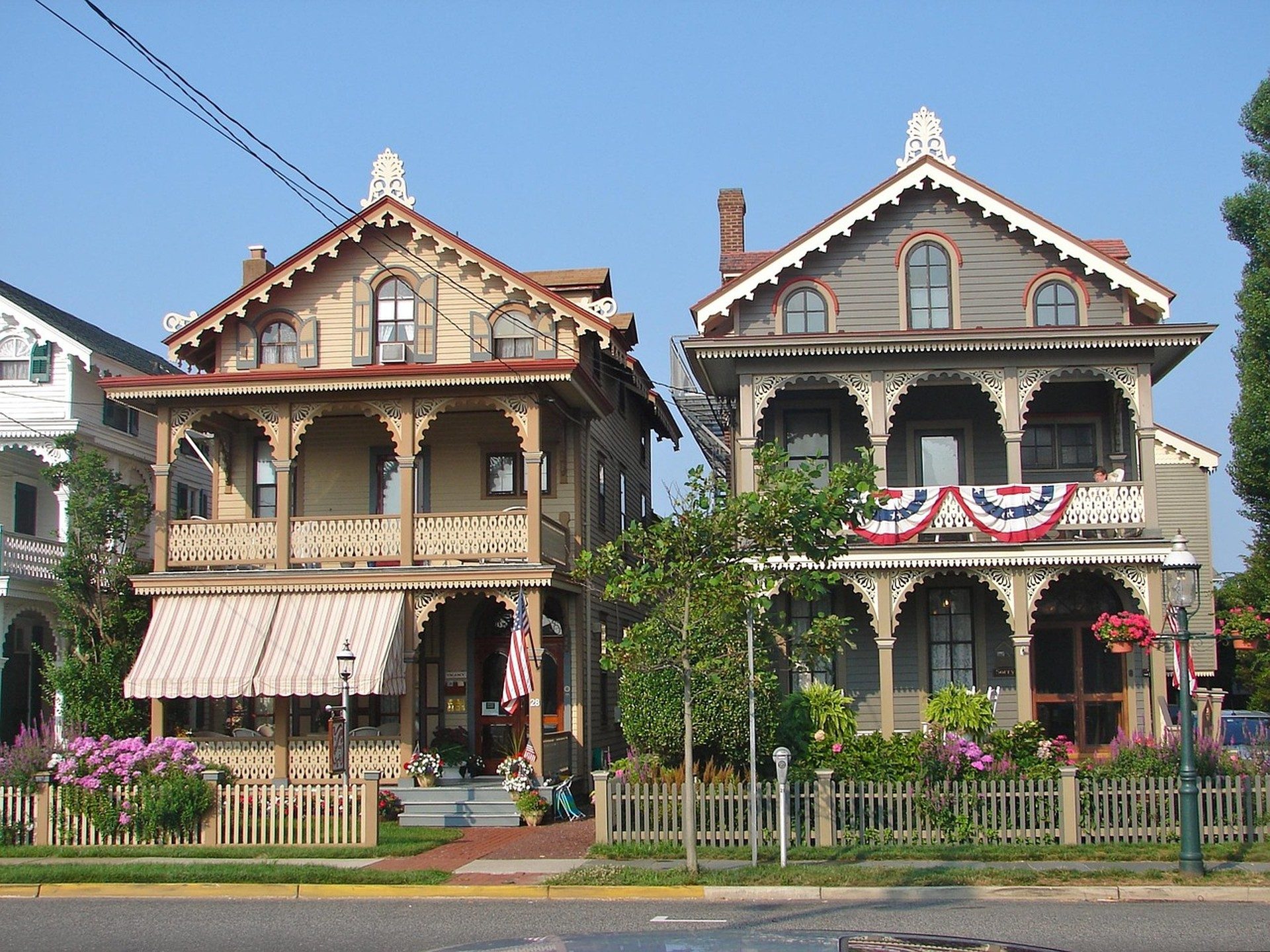
Kyiv city council recently gave formal approval to a detailed set of rules governing work on buildings inside designated historic districts. These measures aim to protect architectural character while allowing necessary repairs and updates after years of wear and conflict damage. Residents, owners, and planners now have clearer boundaries for what can change and what must stay intact.
The Scope of Kyiv's Newly Ratified Rules
Officials defined several core zones across the capital where the historic district renovation guidelines apply with full force. These areas include parts of the upper town, Podil, and selected streets near major landmarks. Any exterior alteration, roof replacement, or window upgrade now requires prior review against the new standards. Interior work receives lighter scrutiny unless it affects load-bearing walls or visible street elevations. The document runs more than eighty pages and incorporates input from heritage specialists, engineers, and local residents collected over two years. Property holders receive a clear checklist before filing applications, reducing earlier confusion that delayed dozens of projects.
City planners stressed that the rules apply equally to private homes, commercial spaces, and public facilities. Small courtyards and side facades fall under the same provisions as grand frontages facing main avenues. Enforcement begins immediately for new applications, while ongoing work already permitted under old rules may finish under previous terms. Full text of the decision appears on the municipal portal, and summaries are available through the FAQ (frequently asked questions) section for quick reference.
Facade Materials and Color Restrictions Defined
Exterior finishes must now match historical patterns recorded in municipal archives. Lime-based plasters, traditional brick bonds, and wooden window frames receive preference in most zones. Synthetic claddings and bright modern paints face strict limits except where structural necessity demands them. Color palettes draw from nineteenth-century photographs and paint samples recovered during earlier restorations. Owners who wish to introduce glass or metal elements must demonstrate that the addition remains subordinate to the original composition.
Inspectors will examine samples on site before final approval. A short list of approved suppliers appears in the appendix to help owners source materials that meet both aesthetic and durability tests. These choices also support local craftspeople who still produce traditional tiles and ironwork. Visitors walking the streets will notice gradual improvements once several adjacent buildings complete work under the same palette.
Structural Integrity Requirements for Older Buildings
Many structures in the protected zones date from the late nineteenth or early twentieth centuries and carry hidden weaknesses. The guidelines require engineers to produce a full condition survey before any renovation begins. Foundations, floor joists, and roof trusses must meet modern load and seismic standards without erasing original construction techniques. Where reinforcement becomes necessary, methods such as discreet steel plates or carbon-fiber wraps receive preference over wholesale replacement.
Fire safety upgrades form another mandatory layer. Escape routes, compartmentalization, and alarm systems must integrate without cutting visible historic fabric. Owners can study examples of successful integration already completed nearby, including the project described in Kyiv's First Four-Layer Reconstruction Tower Reaches Completion. That building demonstrated how contemporary engineering can sit quietly inside a period envelope.
Community Input Sessions That Shaped the Document
Public meetings held throughout last autumn attracted architects, shopkeepers, and long-term residents who voiced both praise and concern. Participants argued for flexible rules on rear elevations and clearer cost estimates for compliance. City staff incorporated roughly sixty percent of the suggestions into the final draft. Neighborhood associations now hold seats on the review board that will examine future applications. This arrangement gives local voices ongoing influence without slowing technical assessments.
Transcripts of every session remain available online for anyone who missed the live events. The process itself became a model for other Ukrainian cities preparing similar protections. Readers interested in related municipal decisions can browse the wider collection in the News archive.
Financial Incentives Linked to Full Compliance
Owners who follow every clause of the historic district renovation guidelines qualify for reduced permit fees and priority processing. Additional support arrives through national recovery channels that channel grants toward heritage-sensitive work. International partners also play a role. Analysis from the IMF Ukraine country analysis highlights how heritage protection can strengthen urban investment climates. Parallel programs from the EBRD Ukraine program offer technical assistance for energy-efficient upgrades that respect original fabric.
Larger projects may access capital markets through instruments such as the recent Reconstruction Bond Issuance Targets Institutional Capital. Smaller owners can pool resources through neighborhood cooperatives that negotiate bulk material purchases. A dedicated page on the Ukraine recovery portal lists current funding windows and eligibility criteria.
Coordination with National Recovery Priorities
The Kyiv guidelines align deliberately with national reconstruction frameworks so that local work supports broader goals. Restored historic streets improve tourism revenue and civic pride while creating skilled jobs for craftsmen. New investment protection measures recently signed by the government, covered in Ukraine Signs New Bilateral Investment Protection Agreement, further encourage private capital to enter carefully regulated zones. The Foundation platform serves as a practical bridge between municipal rules and national financing tools; owners can explore matching opportunities at the Foundation platform.
City departments now share data with national ministries so that duplicate paperwork disappears. This coordination shortens approval times and reduces administrative friction that once discouraged careful restoration.
Benefits for Residents and Visitors Alike
Streets that regain coherent architectural character tend to attract more foot traffic and longer visits. Local cafes, galleries, and workshops report higher custom once scaffolding comes down and facades regain their intended appearance. Residents gain safer buildings and more stable property values. Tourists leave with stronger impressions of Kyiv’s layered history rather than a patchwork of mismatched repairs.
Educational materials prepared by the city explain the guidelines in plain language for school groups and walking tours. Anyone seeking deeper background can turn to essays and interviews collected on the Blog. Over time the protected districts will stand as living proof that careful renovation can serve both memory and modern life.
Readers comparing notes on Kyiv City Approves Historic District Renovation Guidelines in Ukraine should keep one dated source list and one named owner for updates so the next review of Kyiv City Approves Historic District Renovation Guidelines does not restart definitions. Article reference ukraine-141.
If two teams disagree about Kyiv City Approves Historic District Renovation Guidelines, write the disagreement in one paragraph with the evidence each side trusts before any money language expands around Kyiv City Approves Historic District Renovation Guidelines. Article reference ukraine-141.
A short refusal note for Kyiv City Approves Historic District Renovation Guidelines should say what was parked, why it was parked, and who can reopen the file on Kyiv City Approves Historic District Renovation Guidelines after new facts arrive in Ukraine. Article reference ukraine-141.
Readers comparing notes on Kyiv City Approves Historic District Renovation Guidelines in Ukraine should keep one dated source list and one named owner for updates so the next review of Kyiv City Approves Historic District Renovation Guidelines does not restart definitions. Article reference ukraine-141.
If two teams disagree about Kyiv City Approves Historic District Renovation Guidelines, write the disagreement in one paragraph with the evidence each side trusts before any money language expands around Kyiv City Approves Historic District Renovation Guidelines. Article reference ukraine-141.
Related Foundation reading: Poland Logistics Park Spillover Effects: Forecast Inputs the Market Us.
Timeless Value. Perpetual Legacy.