Ukraine’s defense industrial zones now report a production index that tracks output volumes, component availability, and plant utilization across authorized sites. For buyers who must choose vendors under tight timelines, that index is more than a statistic; it is a live map of who can actually deliver munitions parts, vehicle assemblies, electronics, and protective materials without long delays.
Procurement officers, plant managers, and allied partners increasingly treat the index as the first filter before any request for proposal leaves the building. Understanding how the figure is built and how it feeds vendor selection reduces wasted site visits and protects budgets that cannot absorb failed deliveries.
What the Index Actually Measures on the Ground
The defense industrial zone production index aggregates monthly data from certified facilities that hold active contracts with the Ministry of Defence or approved export partners. It counts finished units, intermediate subassemblies, and the share of capacity still free for new orders. Seasonal workforce shifts, energy interruptions, and raw material arrivals all move the number, so a single month should never be read in isolation.
Analysts weight heavier those plants that produce dual use items because those lines can pivot faster when priorities change. Lightly weighted are purely experimental workshops whose volumes remain experimental. Readers who want the broader economic backdrop can consult the latest IMF Ukraine country analysis for macro context that often explains why certain inputs suddenly become scarce.
Linking Index Readings to Immediate Buying Needs
When the index rises in a given oblast, local suppliers of steel plate, optics housings, or battery packs usually hold larger finished goods inventories. A falling reading signals the opposite: longer lead times and higher spot prices. Smart teams therefore schedule factory audits only after the three month trend confirms that capacity is real rather than temporary.
Cross checking the index against logistics performance matters equally. Rail corridors that once moved bulk grain now carry defense components; measurement methods that stay consistent are explained in the companion piece on Rail Freight Modal Shift Patterns: Measurement Protocols That Hold Up. Those protocols help buyers forecast whether a vendor’s quoted delivery window is realistic once the goods leave the factory gate.
Mapping Capacity Clusters Before Contacting Anyone
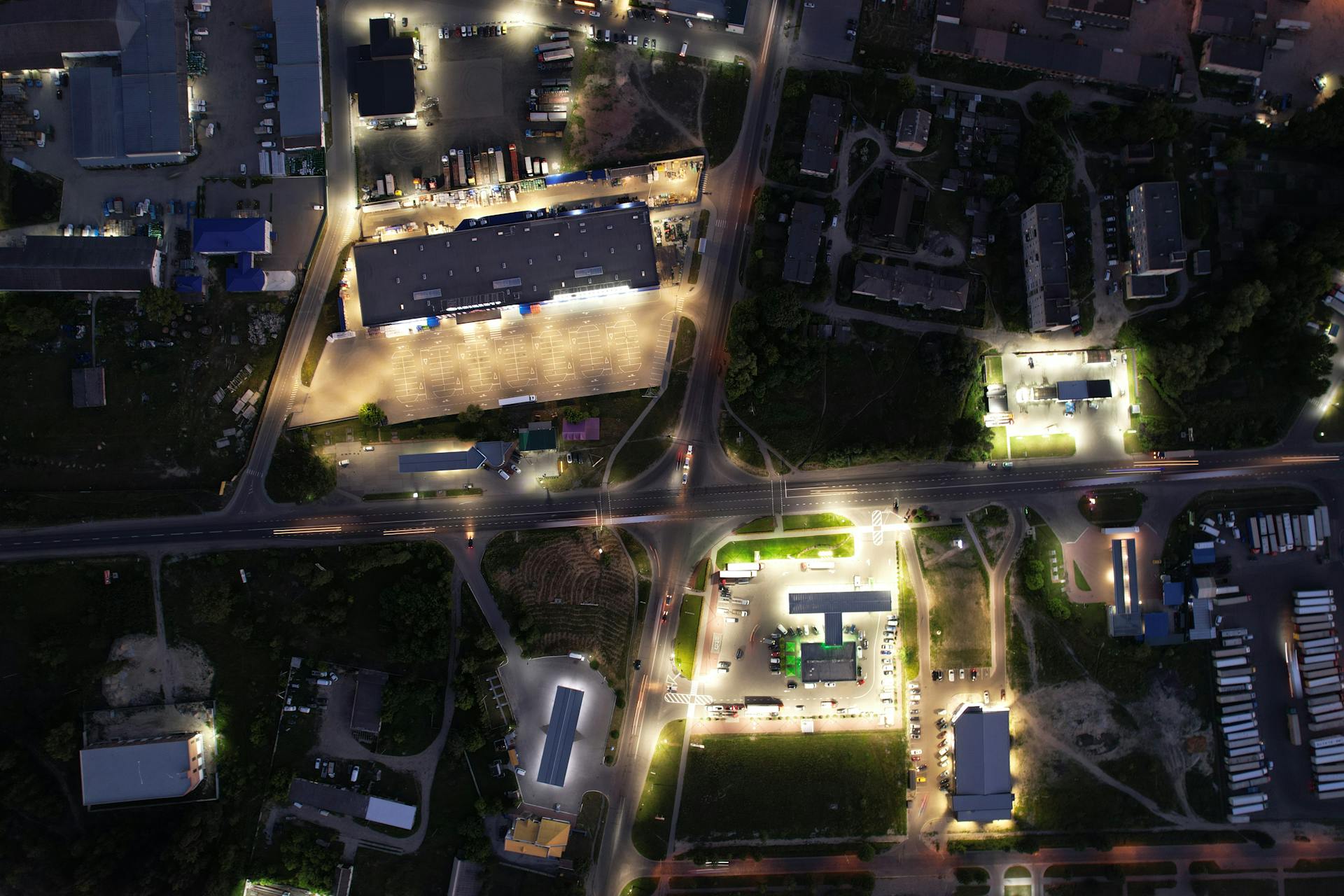
Defense zones cluster around existing heavy industry nodes rather than greenfield sites. Western oblasts host many electronics and drone related lines; central regions specialize in armored vehicle repair and barrel production. Mapping those clusters against the production index prevents fruitless outreach to plants already running at 95 percent utilization.
Nearby commercial real estate trends also influence where new subcontractors can expand. Teams evaluating longer contracts often review the Kyiv Real Estate Market Outlook for 2026 to see whether warehouse space near major rail heads remains affordable for buffer stock.
Vendor Scoring That Goes Beyond Price Quotes
Price is only one column on a proper scorecard. Capacity confirmed by the latest index reading, quality certifications still valid under wartime conditions, and proven ability to source critical alloys form the core. Secondary factors include cybersecurity posture for digital designs and willingness to accept milestone based payments that match Ukrainian treasury schedules.
External financing conditions shape how aggressively a vendor can pre order raw materials. Updates from the EBRD Ukraine program frequently signal when credit lines for defense adjacent manufacturers open or tighten, giving buyers an early warning of cash flow stress among smaller suppliers.
Security and Continuity Checks That Cannot Be Skipped
Every shortlisted plant must demonstrate physical perimeter controls, dual power feeds, and documented staff clearance procedures. Continuity plans should name alternate production cells in case of targeted disruption. Buyers who skip these steps risk absorbing the full cost of a cancelled contract after public funds have already been committed.
Currency stability also affects long term pricing. The National Bank of Ukraine publishes exchange rate corridors and capital control rules that determine whether a vendor can honor multi year fixed price offers or must insert adjustment clauses. Those clauses deserve careful legal review before signature.
Funding Streams That Influence Contract Design
Many defense zone purchases now draw on blended recovery resources rather than pure national budget lines. The official Ukraine recovery portal lists open windows for co financed equipment upgrades; vendors already approved under those windows often deliver faster because their capital equipment is already paid for.
International partners frequently require transparency on beneficial ownership and end use certificates. Aligning documentation with those standards from day one shortens later audit cycles. Additional programming details appear in the World Bank Ukraine country program, which many donor agencies treat as a baseline for eligibility.
Cross Border Options When Domestic Capacity Tightens
Index readings sometimes show domestic lines fully booked for months. In those cases buyers look across the western border for overflow capacity that can still meet Ukrainian technical standards. Practical interfaces between the two markets are examined in the article Poland Ukraine Trade Association Bridges: Technical Deep Dive for Operators.
Customs clearance times and dual certification requirements still add days, so the production index of the Ukrainian partner plant remains relevant: it tells the buyer how much of the work can stay onshore and how much must travel. Keeping both sides of the ledger visible prevents optimistic schedules that later collapse.
Where Teams Find Ongoing Guidance After Award
Once a vendor is selected, monitoring does not stop. Monthly index updates, sudden energy price spikes, or new export license rules can all alter performance. Procurement staff keep current by scanning the Market Trends archive for sector notes and by reviewing practical answers collected in the FAQ (frequently asked questions) section.
Longer form analysis and field reports appear regularly on the Foundation Blog. For organizations that want a single entry point into market intelligence, training modules, and partner matching tools, the Foundation platform consolidates those resources under one login.
Selecting vendors inside Ukraine’s defense industrial zones is ultimately an exercise in reading capacity signals early, verifying them on site, and structuring contracts that survive the next shock. The production index supplies the first signal; disciplined scoring and continuous monitoring convert that signal into reliable supply.
See also Foundation platform.
Readers comparing notes on Defense Industrial Zone Production Index Procurement and in Ukraine should keep one dated source list and one named owner for updates so the next review of Defense Industrial Zone Production Index Procurement and does not restart definitions. Article reference ukraine-281.
If two teams disagree about Defense Industrial Zone Production Index Procurement and, write the disagreement in one paragraph with the evidence each side trusts before any money language expands around Defense Industrial Zone Production Index Procurement and. Article reference ukraine-281.
A short refusal note for Defense Industrial Zone Production Index Procurement and should say what was parked, why it was parked, and who can reopen the file on Defense Industrial Zone Production Index Procurement and after new facts arrive in Ukraine. Article reference ukraine-281.
Readers comparing notes on Defense Industrial Zone Production Index Procurement and in Ukraine should keep one dated source list and one named owner for updates so the next review of Defense Industrial Zone Production Index Procurement and does not restart definitions. Article reference ukraine-281.
If two teams disagree about Defense Industrial Zone Production Index Procurement and, write the disagreement in one paragraph with the evidence each side trusts before any money language expands around Defense Industrial Zone Production Index Procurement and. Article reference ukraine-281.
Related Foundation reading: Reinforced Concrete Standards for Post-War Tower Rehabilitation and A Due Diligence Checklist for Ukrainian Real Estate Purchases.
Timeless Value. Perpetual Legacy.