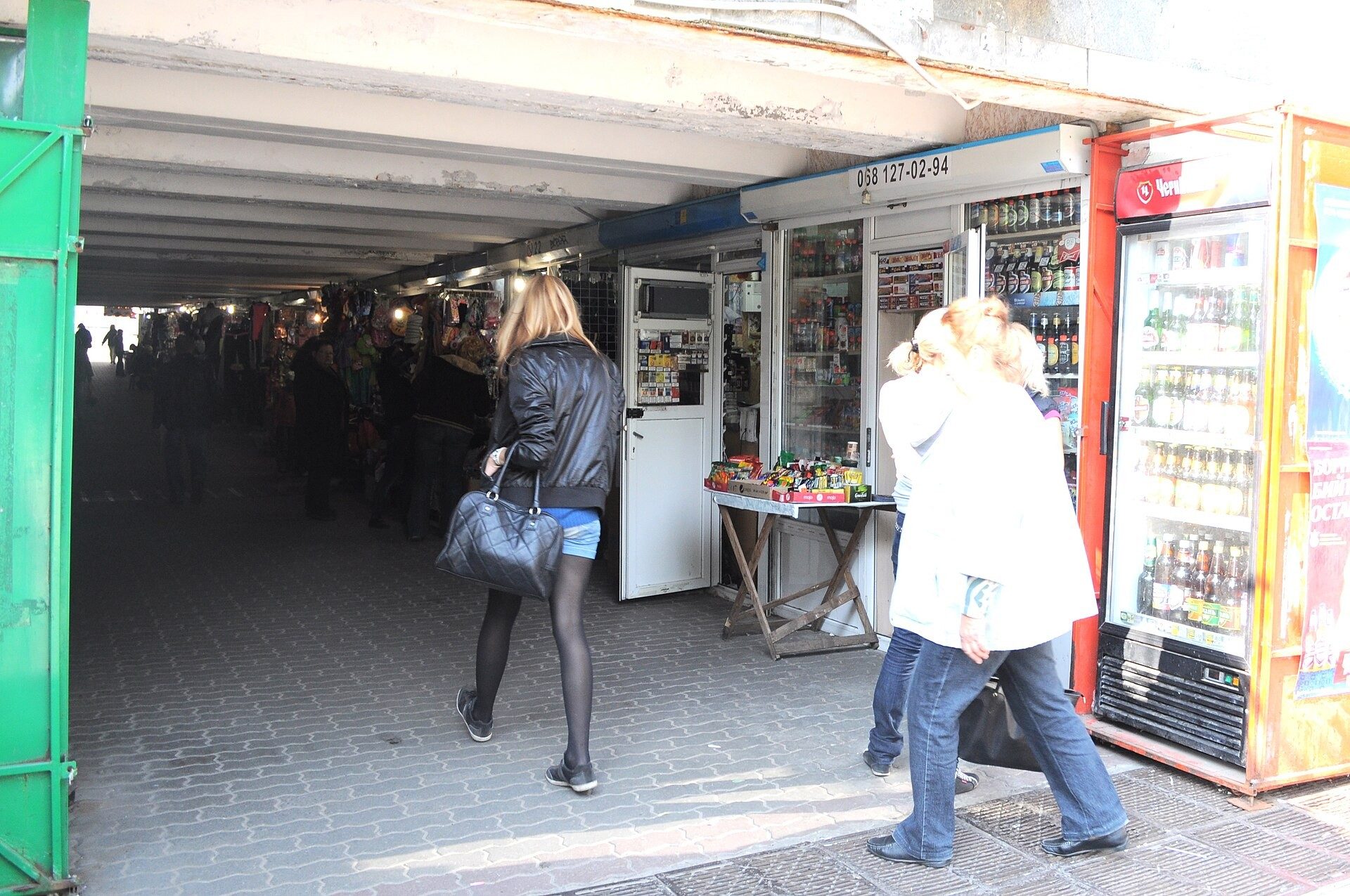
Shevchenkivskyi district streets in Kyiv have begun to feel busier underfoot, and the rise in shevchenkivskyi foot traffic now stands out as more than a casual observation. Corridor Watch tracks these pedestrian pulses because they often signal how recovery, commerce, and daily life are knitting back together after disruption. Residents notice fuller sidewalks near metro exits and market squares; shopkeepers mark fuller registers; and observers of urban change log the pattern as an early indicator of neighborhood vitality.
Counting Steps Along Shevchenkivskyi's Main Arteries
Pedestrian counters and simple observational logs show denser movement along key corridors that cut through Shevchenkivskyi. Morning commutes thicken near transit hubs while midday lunch rushes lengthen the queues at coffee counters. Evening strolls extend later into the warmer months, and weekend markets draw clusters that spill across plazas. These counts are not laboratory instruments; they are practical tallies that capture how people choose routes, linger, and return. The focus keyword shevchenkivskyi foot traffic appears most clearly when successive weeks register higher averages than the same periods a year earlier.
Local business owners describe the change in plain terms. A bakery near a major boulevard now sells out of afternoon pastries more reliably. Booksellers leave doors open longer because browsers arrive in steadier streams. The effect compounds: more walkers invite more vendors, which in turn invites still more walkers. Foundation monitors such loops because they often precede shifts in how space is valued and used.
Reconstruction Spines That Pull People Outdoors
Visible rebuilding work creates new reasons to walk. Scaffolding comes down, facades brighten, and temporary barriers give way to open sidewalks that feel safer and more inviting. One completed project that has drawn attention sits outside the immediate district yet still influences regional movement: Kyiv's First Four-Layer Reconstruction Tower Reaches Completion. Its finish line encourages visitors to explore adjacent corridors, some of which feed into Shevchenkivskyi routes. Pedestrians who once avoided dusty stretches now treat them as ordinary thoroughfares again.
Parallel work in neighboring areas reinforces the same pattern. Readers seeking deeper context on a nearby zone can examine A Deep Dive Into Podil's Reconstruction Corridor, where similar pedestrian gains have already been documented. Shared lessons travel between districts: clear signage, restored lighting, and continuous pavement encourage longer walks. Shevchenkivskyi benefits when those improvements become the expected standard rather than the exception.
Retail Windows Catching More Eyes Each Afternoon
Shopfront glass now reflects denser crowds. Merchants report higher conversion rates simply because more people pass the displays. Clothing racks that once sat untouched through midweek afternoons now see steady browsing. Grocery counters restock popular items more frequently. The shevchenkivskyi foot traffic rise is therefore visible in inventory turnover as much as in raw headcounts.
Small service businesses notice the difference too. Hair salons book more walk-in slots. Pharmacies manage longer lines at peak hours. Cafes extend outdoor seating because tables fill earlier. None of these changes require advanced analytics; they appear in daily cash flow and staff schedules. Foundation encourages owners to treat the trend as an invitation to refine opening hours and display quality rather than as a temporary spike.
Weekend Swells Versus Weekday Steady Streams
Patterns differ by day of the week. Weekdays produce reliable, moderate flows tied to work and errands. Weekends generate sharper peaks around cultural venues, parks, and temporary markets. Families with strollers appear more often on Saturdays. Groups of friends claim benches for longer conversations. These contrasts matter for anyone planning events or adjusting store hours. A corridor that feels quiet on Tuesday morning can become lively by Friday evening.
Weather still modulates the numbers, yet the baseline has shifted upward even in cooler stretches. Rainy days no longer empty the sidewalks as thoroughly as before. Covered walkways and better drainage help, but the core driver is renewed confidence that the district rewards a stroll. Observers who compare current weekend tallies with those of prior seasons find consistent growth in both peak height and duration.
Diaspora Returns Feeding the Sidewalk Energy
People who left during earlier periods of uncertainty are returning for visits or permanent stays, and their presence adds measurable volume to local streets. Many combine family visits with shopping and dining, extending the hours of peak activity. Coverage of this trend appears in Diaspora Buyers Now Account for a Growing Share of Sales, which notes how purchasing power from abroad often translates into on-the-ground footfall before it appears in formal property records.
Returnees frequently explore familiar routes first, reacquainting themselves with favorite bakeries and parks. Their spending supports the same small businesses that serve permanent residents, creating a shared benefit. Foundation tracks these human flows because they reinforce the commercial fabric that keeps corridors active. The result is a more resilient street life that does not depend solely on local wages.
What Rising Foot Traffic Hints About Housing Demand
Heavier pedestrian use rarely occurs in isolation from housing interest. When sidewalks stay lively, apartments nearby become more attractive to renters and buyers who value walkable daily routines. Agents report that listings near active corridors receive more inquiries and shorter vacancy periods. The connection is practical: people prefer to live where errands, leisure, and transit sit within a short walk.
Broader economic assessments help place the local signal in context. The IMF Ukraine country analysis reviews macro conditions that influence household confidence and mobility. Complementary insight comes from the World Bank Ukraine country program, which examines reconstruction financing and urban resilience. Both sources underscore that sustained pedestrian activity often accompanies improving local economies. Shevchenkivskyi's numbers therefore serve as a ground-level check on larger recovery narratives.
Cross-Checking Numbers With Broader Recovery Metrics
Official platforms supply reference points that help separate temporary crowds from lasting change. The Ukraine recovery portal aggregates project progress and regional indicators that can be compared against observed street activity. Financing partners such as the EBRD Ukraine program support infrastructure that directly affects walkability, including lighting, paving, and public transport links. Monetary policy and payment system stability, tracked by the National Bank of Ukraine, influence how freely people spend during those walks.
Readers who want ongoing updates can browse the News archive for recent district reports, explore longer-form pieces on the Blog, or consult the FAQ (frequently asked questions) for definitions of common recovery terms. The full set of tools and community resources lives on the Foundation platform, where Corridor Watch materials continue to evolve with fresh field notes.
Staying Alert to Corridor Shifts Ahead
Foot traffic can reverse if new construction temporarily blocks paths or if economic pressure reduces discretionary outings. Continuous observation remains essential. Simple habits help: note the time of day when sidewalks feel fullest, record which side streets gain traffic after a facade renovation, and watch how long people linger rather than merely pass through. These qualitative details complement raw counts and reveal whether the energy is deep or superficial.
Shevchenkivskyi's current rise offers a living case of how reconstruction, return migration, and ordinary commercial life interact. The district's sidewalks now carry more stories, more purchases, and more quiet moments of reconnection. Keeping a steady watch on those movements equips residents, merchants, and planners alike to nurture the gains rather than merely celebrate them. Foundation will continue to document the corridor so that practical lessons stay available to anyone who values a walkable, recovering city.
See also Foundation platform.
Related Foundation reading: Cluster Governance for Industrial Zones: Forecast Inputs the Market Us.
Timeless Value. Perpetual Legacy.