Ukrainian families living far from home have become a decisive force in the national property market. Their purchases now claim a steadily larger slice of completed deals, reshaping who buys, what they seek, and where capital settles. Understanding the diaspora buyer market share means looking past headlines into the quiet mechanics of distance, duty, and hope that drive these decisions.
Remittance Streams Turning into Ownership Deeds
Money sent home once covered daily needs. Today a growing portion funds permanent apartments and houses. Workers in Poland, Germany, Canada, and the United States convert monthly transfers into down payments, treating real estate as both shelter for relatives and a store of value. Bank data show remittances remaining robust even as local incomes fluctuate, giving diaspora buyers a liquidity advantage that domestic households often lack. The National Bank of Ukraine tracks these inflows carefully because they stabilize the hryvnia and feed construction payrolls. When a buyer in Toronto wires funds for a flat in Lviv, the transaction registers twice: once as foreign exchange support and again as a sale that developers can count toward annual targets.
Families often pool resources across continents. A sister in Italy, a brother in Spain, and parents still in Ukraine coordinate through group chats, agreeing on price ceilings and viewing schedules. This collective approach multiplies purchasing power and spreads risk. Agents report that joint ownership clauses appear more frequently in contracts signed by non-residents, reflecting the shared nature of the capital.
Cities Where Distant Demand Outruns Local Budgets
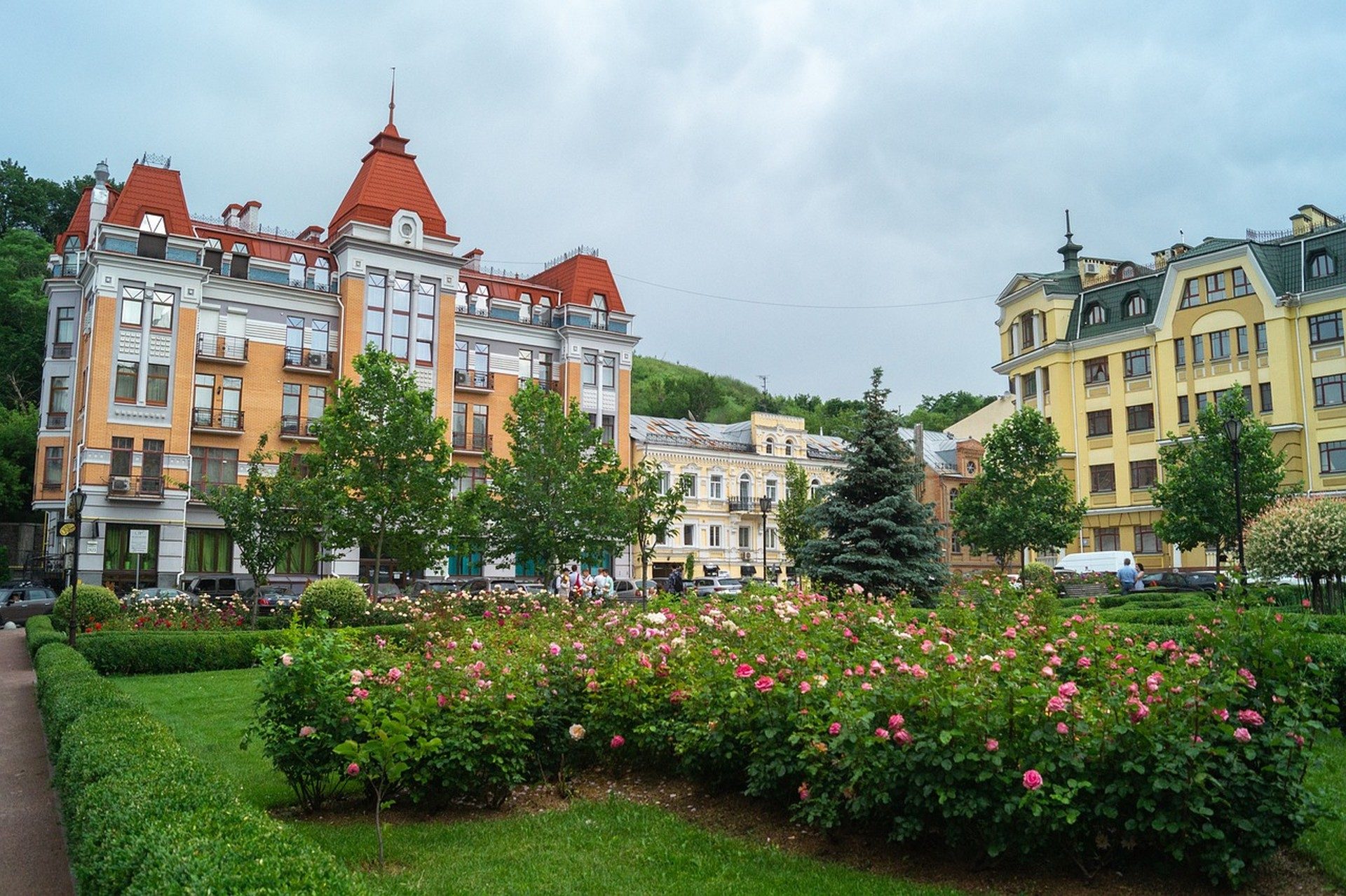
Kyiv, Lviv, and Odesa absorb the largest volumes of overseas capital. In the capital, districts rebuilt after damage attract buyers who want modern energy standards and proximity to workplaces. The completion of advanced residential towers, such as the project detailed in Kyiv's First Four-Layer Reconstruction Tower Reaches Completion, signals that new supply is ready for exactly this clientele. Lviv benefits from its western location and cultural prestige; many expats who left during earlier waves still view the city as a second home. Odesa draws those with Black Sea memories and plans for eventual return.
Secondary cities also feel the pull. Smaller renovated blocks in Ivano-Frankivsk or Chernivtsi sell faster when a diaspora buyer decides the price matches childhood associations. Local buyers sometimes step aside, unable to match cash offers that arrive without mortgage contingencies. Developers notice the pattern and adjust unit mixes: more two-bedroom layouts with flexible payment calendars that suit overseas income cycles.
Legal Bridges That Keep Transactions Moving
Ukraine allows foreigners of Ukrainian origin to buy residential property with relatively few restrictions. Power-of-attorney documents, often notarized abroad and apostilled, let relatives or trusted lawyers sign on the ground. Video walkthroughs and digital document packages reduce the need for physical travel. Notaries report a sharp rise in remote authentications, with diaspora parties joining calls from different time zones. Clear title registries and anti-fraud checks give confidence that the deed will hold.
Currency conversion rules remain transparent. Buyers can open local accounts or settle through specialized transfer firms that lock exchange rates for a short window. The process still requires patience, yet it no longer feels opaque. Anyone seeking practical clarifications can consult the FAQ (frequently asked questions) section for step-by-step explanations of residency certificates and tax identification numbers.
Emotional Anchors Stronger Than Market Charts
Numbers alone never explain why a nurse in Chicago chooses a flat overlooking the Dnipro. Many purchasers speak of preserving a physical link for children born abroad. An apartment becomes the place where grandparents can host summer visits, or the asset that will fund a future return. This sentimental layer coexists with pure investment logic: rental income can cover maintenance while the owner stays overseas, and capital appreciation tracks reconstruction progress.
Developers who understand these motives design marketing around family stories rather than pure yield tables. Showrooms feature guest bedrooms and balconies large enough for multi-generational gatherings. Virtual reality tours let distant buyers walk through rooms at midnight their local time. Trust grows when agents share progress photos of neighboring reconstruction corridors, including the detailed overview found in A Deep Dive Into Podil's Reconstruction Corridor.
Office and Mixed-Use Spillover from Residential Momentum
Residential demand rarely stays isolated. When diaspora buyers commit to apartments, they often need nearby services and flexible workspaces for visits. Rising interest in Pechersk office floors, driven partly by technology firms, illustrates the broader lift. Coverage of how AI Sector Demand Pushes Office Rents Higher in Pechersk shows how residential and commercial waves can reinforce each other. A buyer who purchases a flat may later lease a small office for a consulting side business or for relatives who manage the property.
Reconstruction financing from international partners further multiplies the effect. Programs under the EBRD Ukraine program channel capital into energy-efficient buildings that diaspora clients prefer. The official Ukraine recovery portal lists projects that meet high safety and sustainability criteria, giving overseas buyers a clear map of where their money supports national renewal.
Measuring the Share Without Overclaiming Certainty
Exact percentages fluctuate by quarter and by city. Private broker networks and developer sales reports consistently show non-resident shares climbing from low double digits into the mid-twenties of total transactions in prime segments. Cash deals dominate because mortgage access from abroad remains limited. Local banks still favor residents for long-term loans, leaving diaspora buyers to rely on savings, employer bonuses, or family loans. This cash preference accelerates closing timelines and reduces fall-through rates, further enlarging their recorded market share.
Analysts at Foundation watch the trend through aggregated registration data rather than surveys alone. Seasonal spikes appear after major holidays when expats visit and finalize paperwork. Winter months often bring quieter activity until spring construction starts again. Anyone tracking these rhythms can browse the wider News archive for quarterly updates and comparative tables.
Practical Signals for Sellers and Builders
Sellers who list apartments with bilingual documentation and flexible viewing slots capture more diaspora attention. High-quality video, floor plans in metric and imperial units, and clear statements of utility modernization all reduce hesitation. Builders who stage model units with dual-purpose furniture appeal to buyers planning intermittent occupancy. Payment schedules that allow final installments after handover also ease cross-border logistics.
Reputation travels through community channels. A positive experience shared in a diaspora group chat can generate three more inquiries within a week. Negative stories about incomplete infrastructure or unclear parking rights travel just as fast. Continuous communication via the Blog helps market participants stay current on regulatory tweaks and successful case studies.
Longer term, the diaspora buyer market share will influence design codes, marketing languages, and even municipal infrastructure priorities. Cities that invest in reliable public transport and green courtyards become more attractive to families who intend eventual return. Foundation continues to map these shifts so that capital and reconstruction needs stay aligned. Readers who want deeper platform tools can explore the Foundation platform for data dashboards and project listings.
The pattern is clear: distance no longer weakens attachment to Ukrainian soil. Instead, it channels earnings into permanent stakes. As reconstruction advances and legal pathways stay open, diaspora purchasers will keep expanding their weight in total sales, writing a new chapter of ownership that spans continents yet remains rooted at home.
Related Foundation reading: What Diaspora Buyers Want in a Repositioned Luxury Address and Energy Cooperative Networks in Regions: Regional Cost Curve Comparison.
Timeless Value. Perpetual Legacy.