The Holosiivskyi district of Kyiv has recorded a clear uptick in apartment viewings and purchase inquiries, restoring what market watchers describe as holosiivskyi residential interest after quieter stretches earlier in the decade. Buyers who once concentrated on central corridors now scan listings farther south, drawn by space, green cover and relative value. This corridor report examines the sources of that shift, the housing stock available and the practical factors any adult non-expert should weigh before deciding.
Mapping Holosiivskyi Within Kyiv's Residential Map
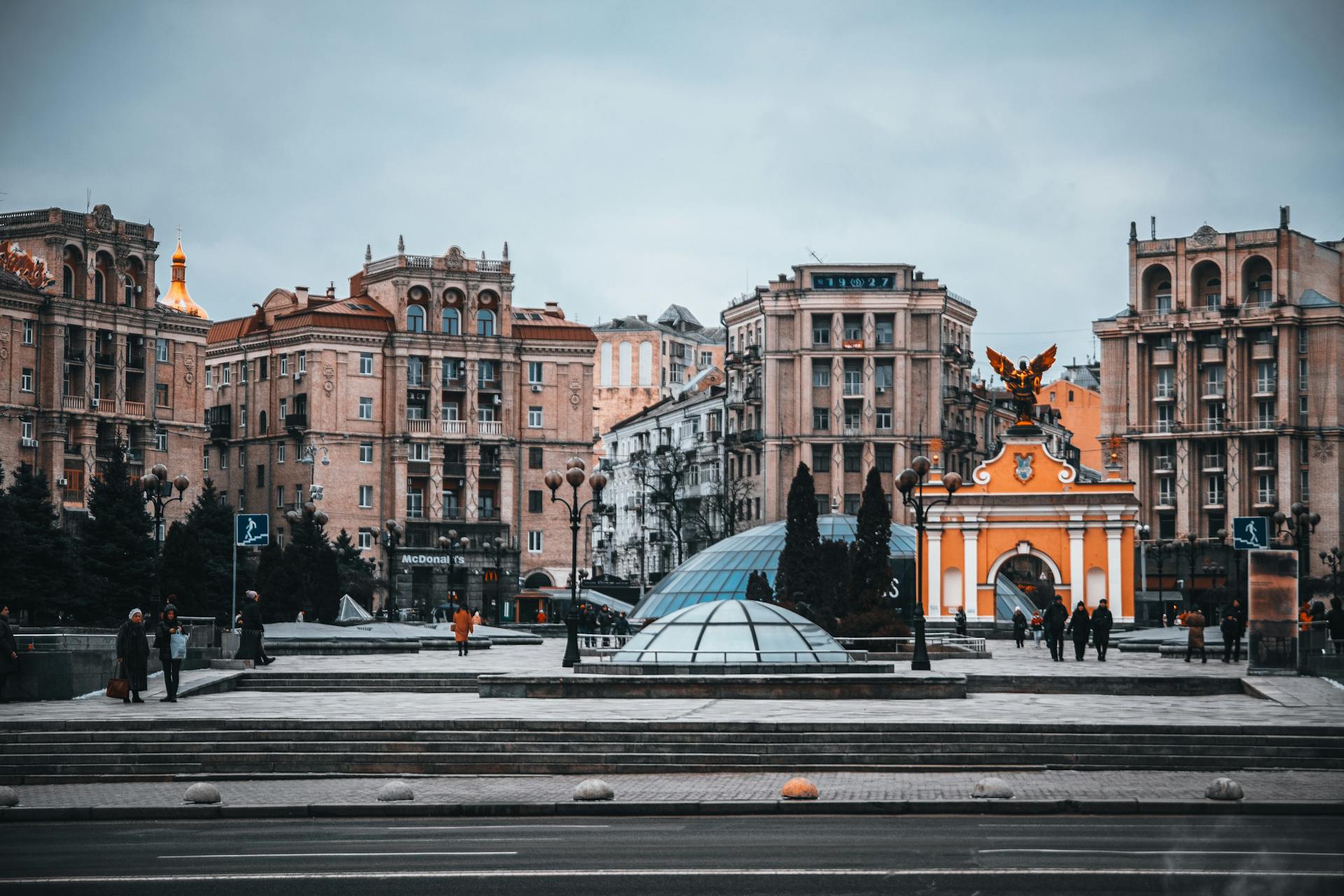
Holosiivskyi stretches across the southwestern portion of the capital, bordered by the Dnipro River floodplains on one side and expanding suburban belts on the other. Its territory includes established micro-districts built between the 1960s and 1980s, pockets of private houses, and clusters of mid-rise projects completed after 2010. Public transport corridors run through the area, connecting residents to the city core in thirty to forty minutes under normal traffic. That geography places Holosiivskyi outside the densest historic quarters yet still inside daily commuting range for most office and service jobs.
Local planners treat the district as a mixed residential and institutional zone rather than a pure bedroom suburb. Large university campuses and research institutes occupy substantial land, creating steady daytime activity and supporting retail that serves both students and long-term households. Anyone studying holosiivskyi residential interest quickly notices how these anchors stabilize foot traffic even when private construction slows.
Drivers Behind the Current Wave of Buyer Attention
Several forces converge to revive demand. Returning professionals who left during peak disruption have begun re-establishing households, and many prefer quieter streets over high-density towers. The Returning Executives Drive Luxury Demand Across Kyiv Corridors pattern appears here in moderated form: demand tilts toward three- and four-room apartments with private parking rather than ultra-premium penthouses. Families also cite access to schools that reopened fully and the presence of medical clinics that maintained continuous service.
Macroeconomic signals reinforce local optimism. Updates from the National Bank of Ukraine show gradual stabilization of the hryvnia and controlled inflation expectations, giving potential buyers more confidence to lock in mortgages or cash purchases. Parallel assessments by the World Bank Ukraine country program highlight infrastructure financing that is already reaching secondary districts, reducing the perceived risk of delayed repairs.
Housing Options From Soviet Era Blocks to Newer Builds
Stock variety remains one of Holosiivskyi's strongest cards. Panel buildings from the late Soviet period still dominate many streets; they offer solid floor areas at entry-level prices and often sit near mature trees and playgrounds. Renovation packages for these units have become standardized, allowing owners to modernize kitchens and insulation without structural overhaul. Parallel to that inventory, private developers completed several mid-rise complexes between 2015 and 2021 that feature underground parking, closed courtyards and energy-efficient facades.
Newer projects tend to cluster closer to major arterial roads, trading some of the leafy quiet for faster access to shopping centers. Older stock appeals more to buyers seeking larger rooms and lower square-meter costs. Both segments register rising inquiry volumes, confirming that holosiivskyi residential interest is not confined to a single product type.
How Parks and Universities Influence Location Choices
Extensive parkland inside the district functions as a daily amenity rather than a weekend destination. Residents walk dogs, exercise and socialize within a short distance of their buildings, reducing reliance on distant recreation spots. University campuses add another layer: academic calendars create predictable seasonal demand for short-term rentals, which in turn supports small cafes and service businesses that permanent households also use.
These institutional anchors differentiate Holosiivskyi from purely residential belts farther out. Prospective buyers frequently mention the combination of open space and intellectual life when explaining why they short-list the area over denser alternatives.
Recent Transaction Data Revealing Market Shifts
Sales volumes for completed apartments rose through successive quarters according to local broker tallies. Average days on market shortened for well-presented units priced near district medians, while premium listings still required longer exposure. Cash deals remain common, yet mortgage applications have reappeared as banks ease documentation requirements. The IMF Ukraine country analysis notes that household lending conditions have improved enough to support selective residential recovery without overheating.
Price growth stays moderate compared with central Kyiv, preserving affordability for first-time and trade-up buyers. That moderation itself attracts attention from households priced out of more expensive corridors. For a side-by-side view of reconstruction dynamics elsewhere, readers can consult A Deep Dive Into Podil's Reconstruction Corridor, which illustrates how different districts absorb capital at varying speeds.
Ties Between Local Demand and Broader Reconstruction Efforts
District-level interest does not occur in isolation. National recovery planning channels resources toward housing stock rehabilitation and utility upgrades. The Ukraine recovery portal lists ongoing and planned projects that include heating network modernization and school renovations inside Holosiivskyi. Parallel financing packages from the EBRD Ukraine program target energy-efficiency retrofits that lower long-term ownership costs for multi-apartment buildings.
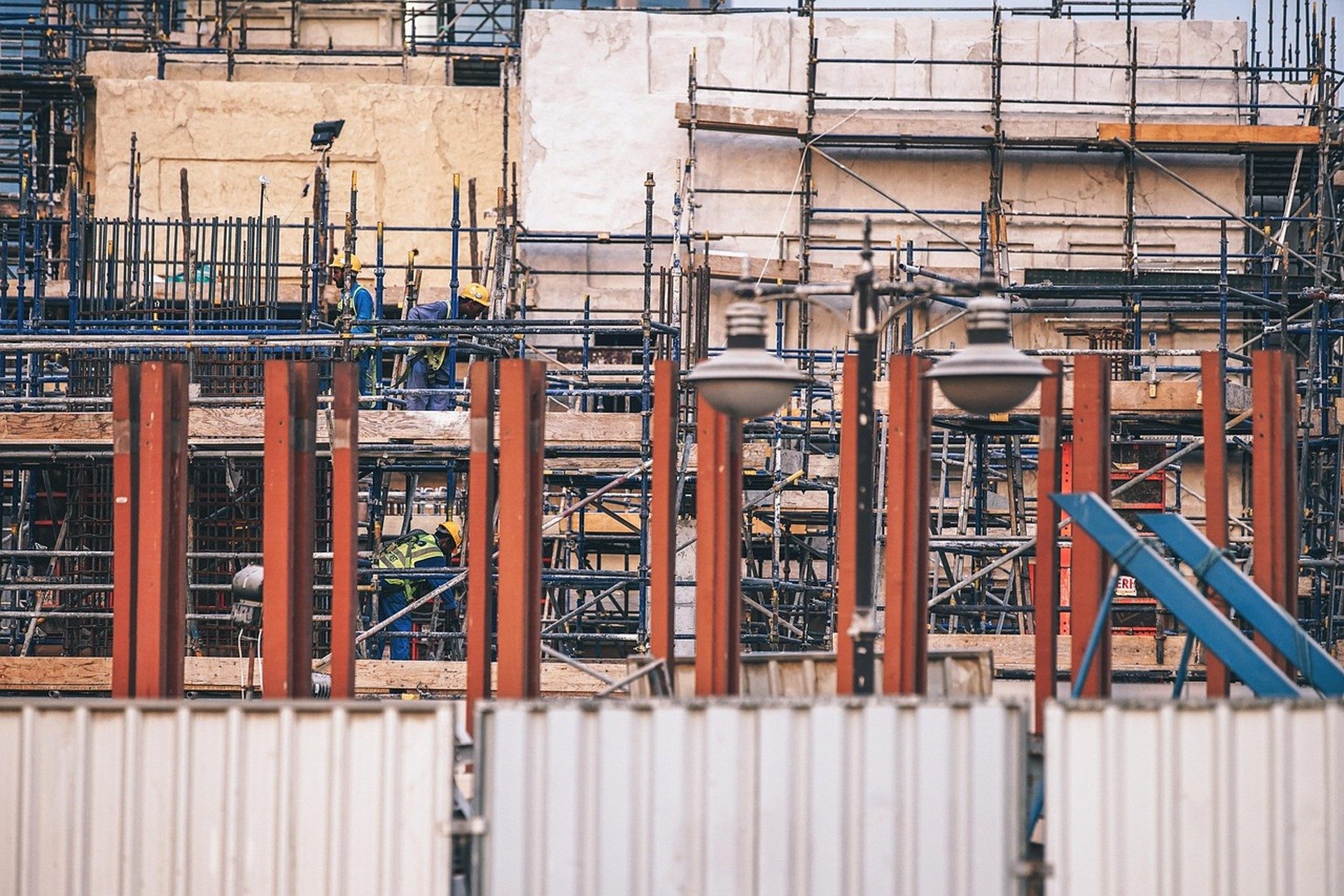
One high-visibility example of technical progress appears in the capital's vertical reconstruction efforts: Kyiv's First Four-Layer Reconstruction Tower Reaches Completion demonstrates methods that could transfer to mid-rise stock across secondary districts. Such demonstrations reassure buyers that quality standards continue to rise even outside the historic core.
Practical Considerations for Prospective Residents
Anyone evaluating a purchase should verify current utility reliability, review the latest building management reports and confirm school catchment boundaries. Walk the neighborhood at different times of day to gauge noise and traffic. Check whether the chosen building already completed wartime damage assessments and whether insurance coverage is available at standard rates. Local notaries and real-estate agents experienced in the district can clarify ownership documentation that may include multi-year absences of previous owners.
Budget for modest renovation even when a unit looks ready; older panel buildings often need window and pipe upgrades. Newer complexes typically command higher service fees that cover security and landscaping, so factor those recurring costs into monthly calculations. Prospective residents can also browse the Blog for additional district snapshots and consult the FAQ (frequently asked questions) section for standard legal steps.
Monitoring Future Developments Along This Corridor
Ongoing observation of holosiivskyi residential interest requires tracking both listing volumes and infrastructure announcements. Municipal tenders for road resurfacing or park upgrades frequently precede further price firming. International institutions continue to publish country-level progress notes that indirectly affect district sentiment. Readers seeking continuous updates may visit the News archive or explore the wider Foundation platform for structured market overviews.
Holosiivskyi does not promise overnight transformation. Instead it offers measured, space-rich living that aligns with the priorities of households rebuilding long-term roots. That alignment explains why residential interest has returned and why it is likely to persist as reconstruction capital and private savings continue to circulate through Kyiv's secondary corridors.
Readers comparing notes on Corridor Report Holosiivskyi Sees Renewed Residential in Ukraine should keep one dated source list and one named owner for updates so the next review of Corridor Report Holosiivskyi Sees Renewed Residential does not restart definitions. Article reference ukraine-179.
If two teams disagree about Corridor Report Holosiivskyi Sees Renewed Residential, write the disagreement in one paragraph with the evidence each side trusts before any money language expands around Corridor Report Holosiivskyi Sees Renewed Residential. Article reference ukraine-179.
Related Foundation reading: Refugee Return Support Networks: Supply and Demand Scorecard.
Timeless Value. Perpetual Legacy.